
This spring and summer I had the incredible fortune and honor to be accepted as participant to ICWCT 2026. This is the International Course on Wood Conservation Technologies, hosted every second year without fault by Riksantikvaren (the Directorate for Cultural Heritage) in Norway since 1984. As the list of applicants is long for every edition, and the level of experience and expertise high in all the enrolled participants, I was rather surprised to get a spot on the 2026 course – but equally happy and enthusiastic to dive in.
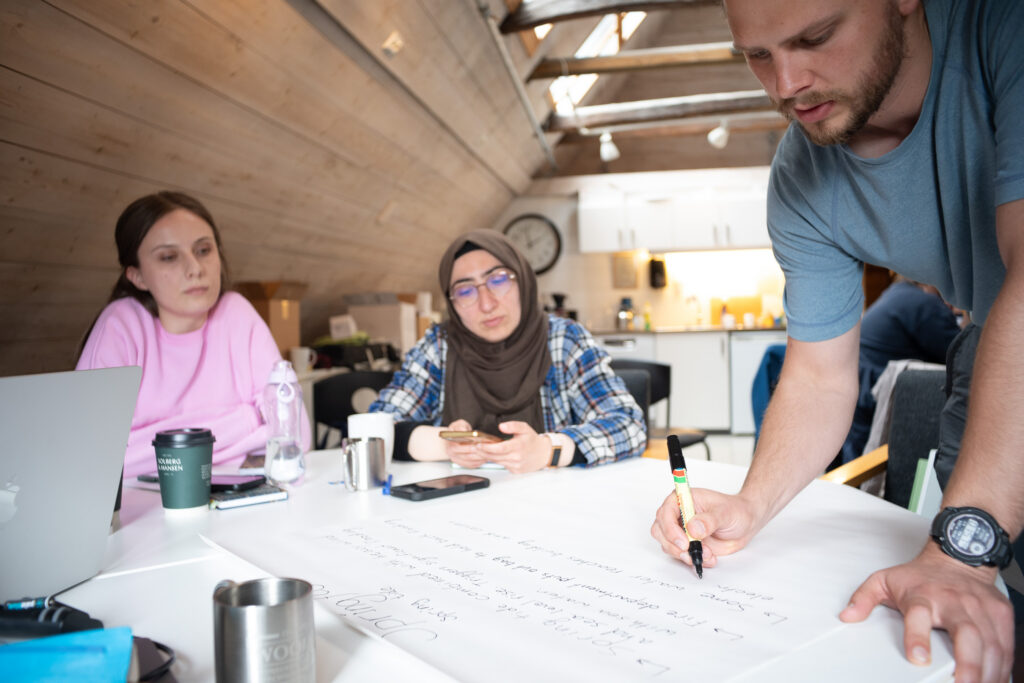
The course is structured in two main parts—one online module of theory, and a practical module during three weeks in Norway, most of the time on the road. I can’t do either part justice through description here, other than to say I had high expectations and they were surpassed in both modules. Online courses are hard to do in an engaging and fruitful way, but I believe this is among the best I have experienced, and I learned a ton. Among the most important parts of this course, though, is the participants; and I want to thank you all Daniel, Olivia, Zein, Magda, Eleni, Sika, Aparna, Reina, Sebastian, Jon, Homaira, Mike, Vanessa, Kate, Andrei, Zuzka, Akila, Süheyla, Jack, Abi and Chu for making this course the incredible experience it has been.
The discussions, debates and reflections along the way has been of immeasurable value, and they wouldn’t have been the same without both the incredible group of participants but also the great lecturers for the course, especially Shayne Rivers and Gord Macdonald. It has already been more than four months since the end of the course, but I am still not finished digesting the conversations we had — the memories of them is a treasure I’ll keep to the end of my time.
The course being hosted in Norway, and the practical module thus focusing on Norwegian sites, made me a tiny bit concerned for how much new I would see. Many of the specific places and monuments I have already spent weeks of study at, and have worked on remotely for years, yet through the course I saw them anew with fresh eyes—without exception. Having the group represent (in our case) 19 different countries from all over the globe ment there were always new perspectives to be had, angles to see things from, and questions asked. I knew this would be valuable, but was not prepared for how great an experience it would be.
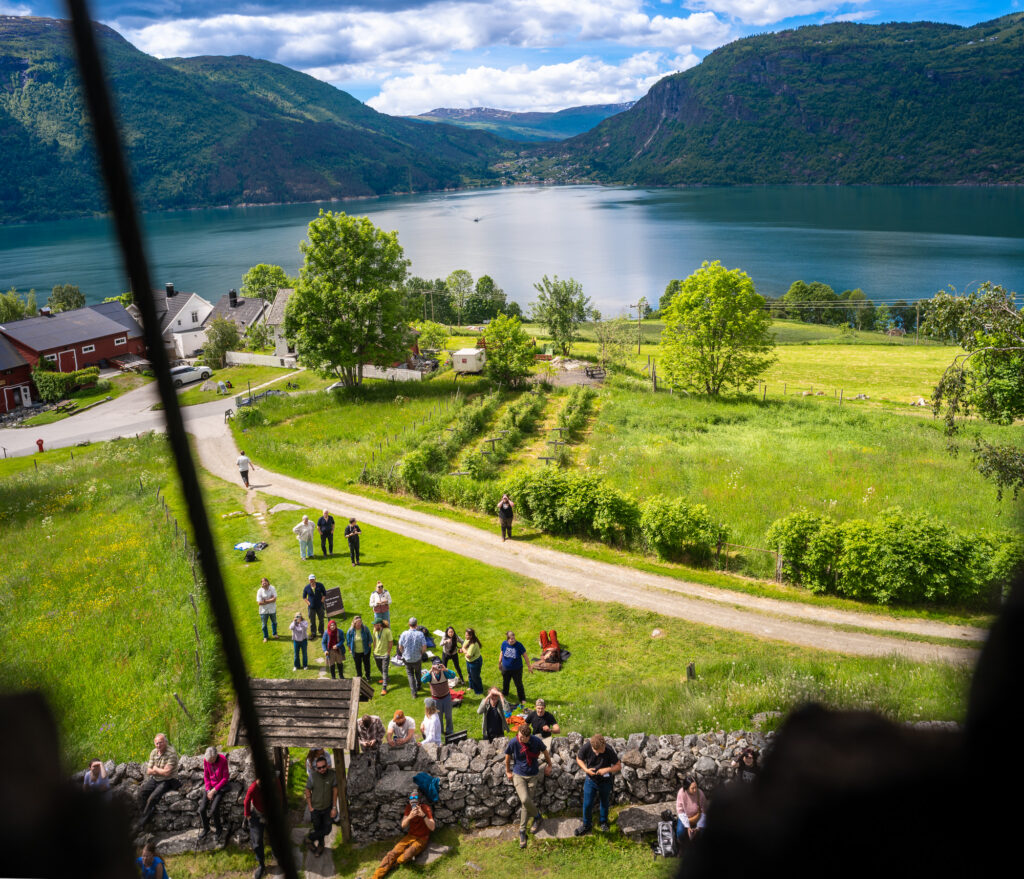
Both the digital and physical parts of this course is ambitious in scope and the program was tightly packed. Without skilled hands directing this that could have lead to chaos, but Anne at Riksantikvaren and Samuel from NTNU managed this with such grace that we as participants barely noticed the massive administrative undertaking being performed, and could just enjoy the course itself.
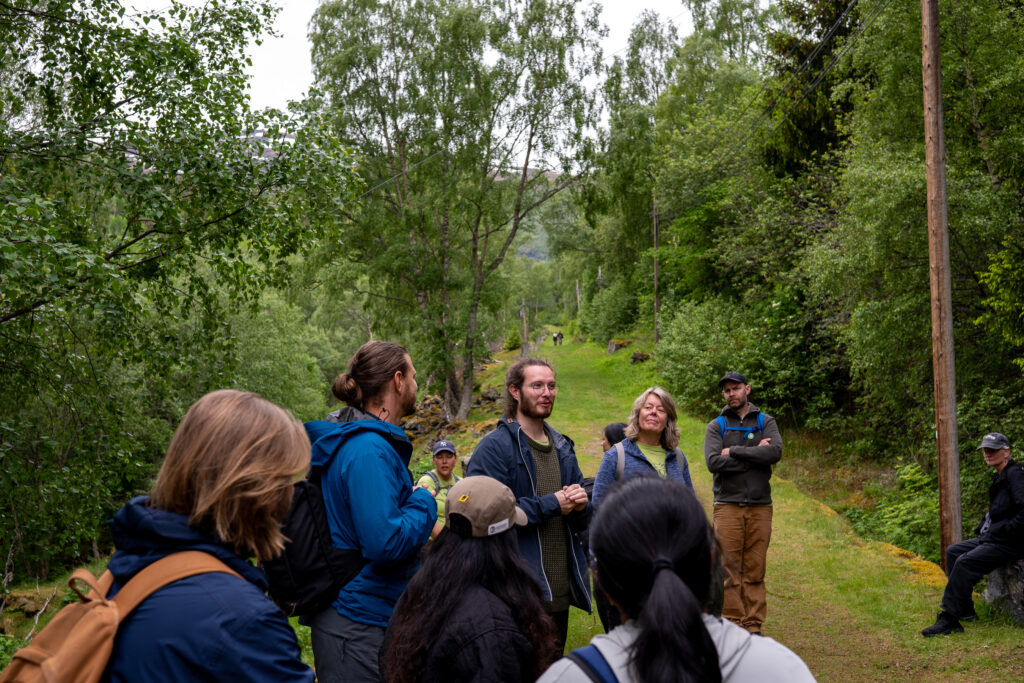
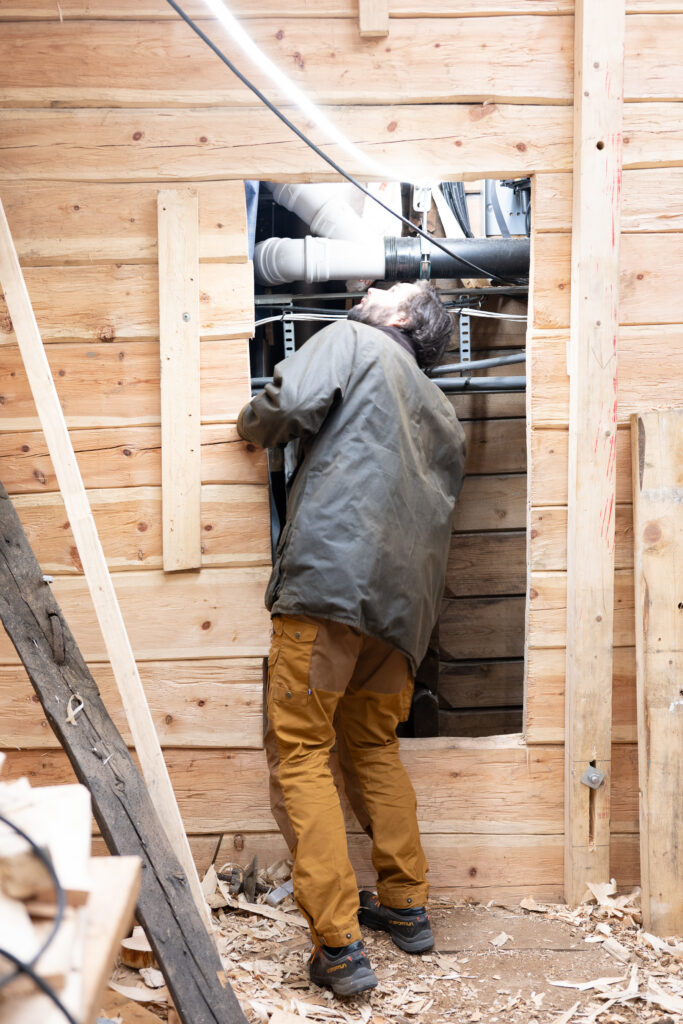
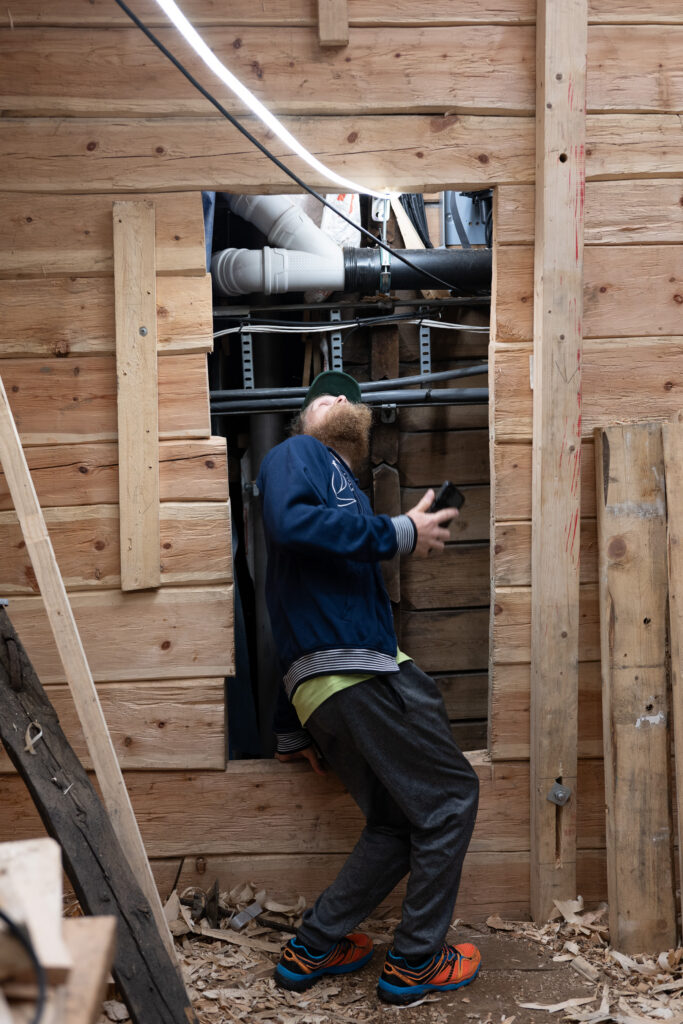
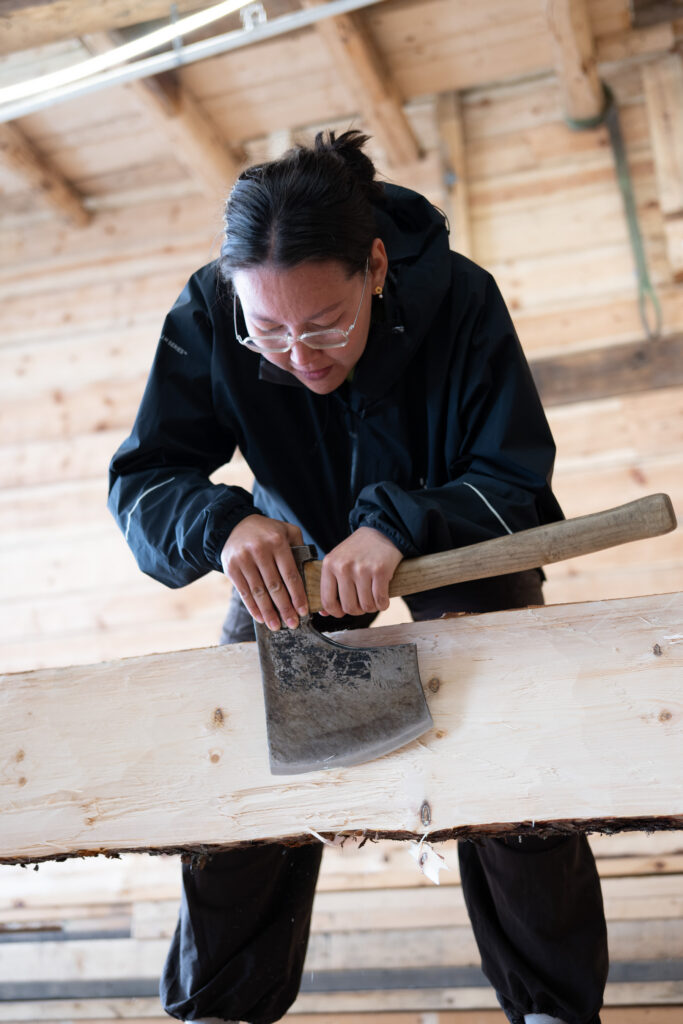
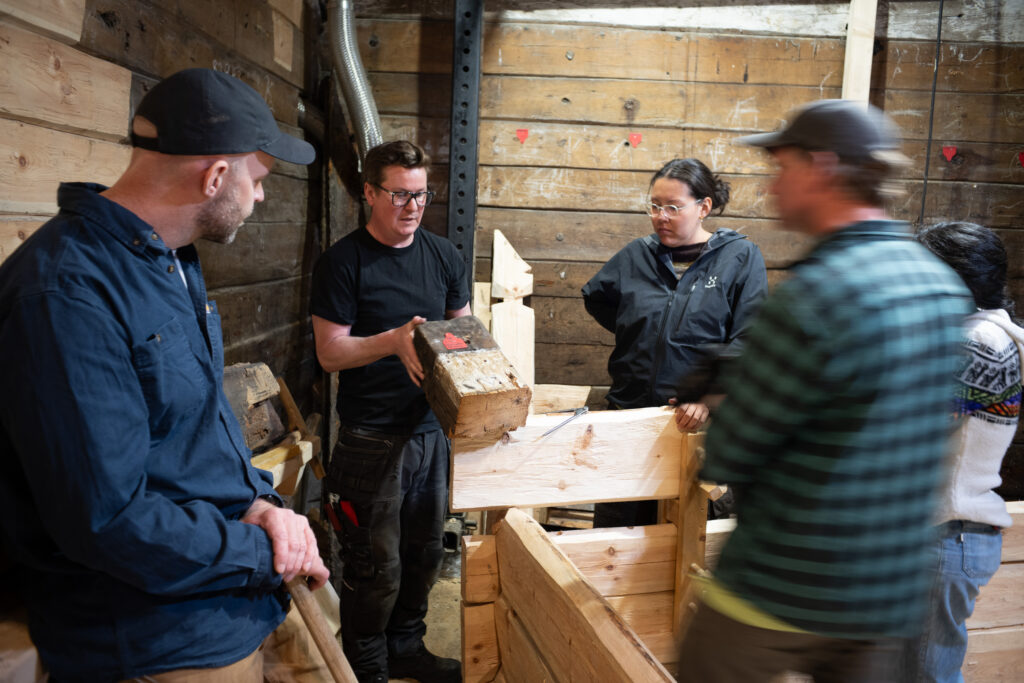
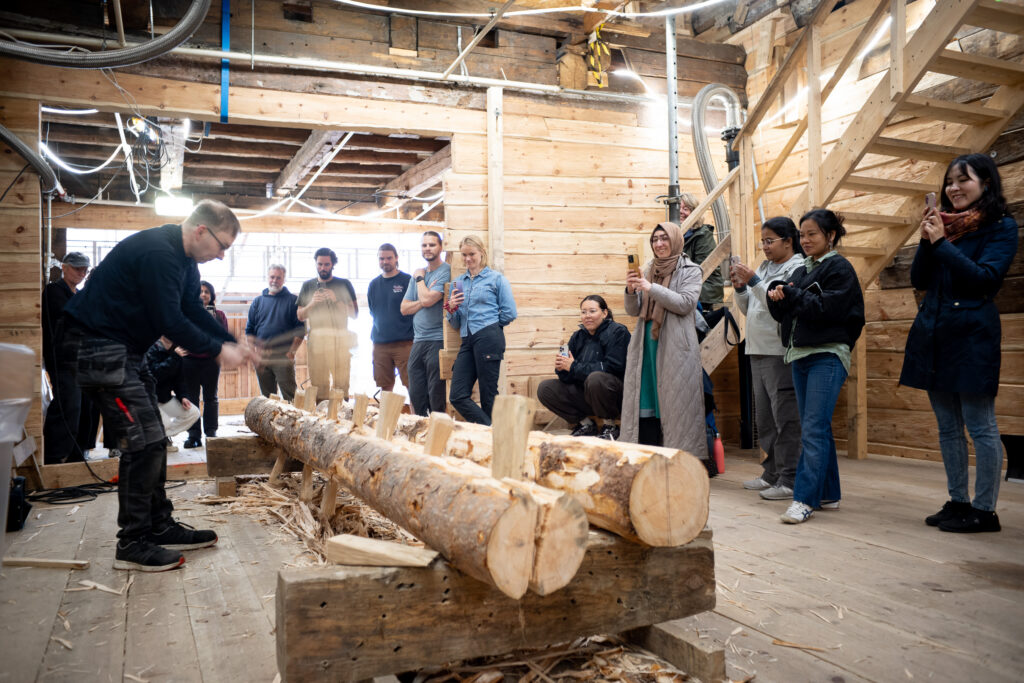
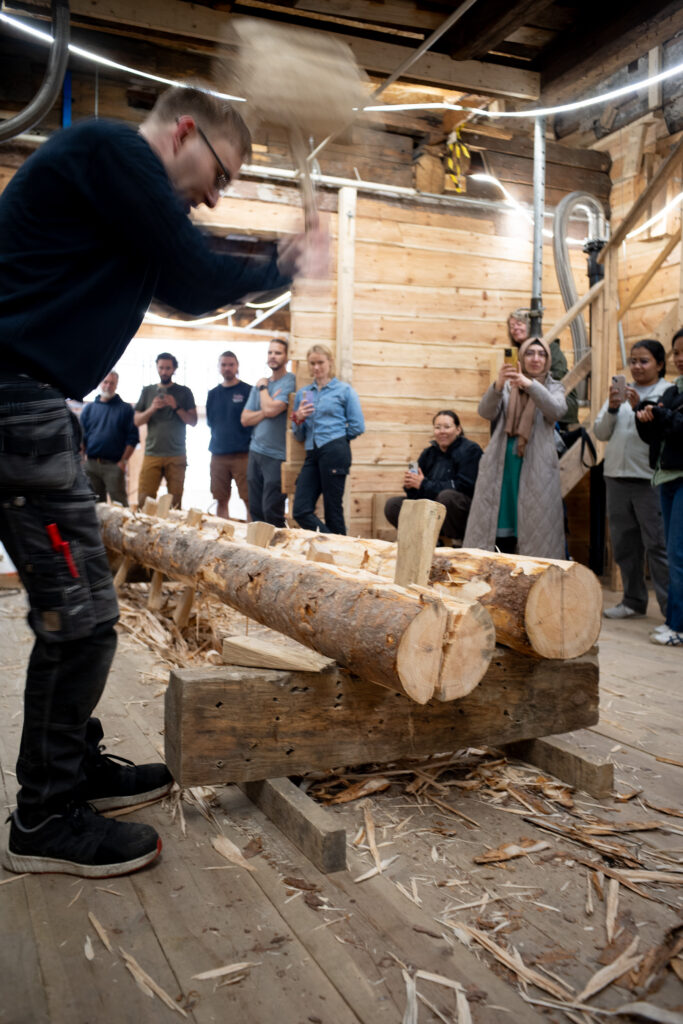
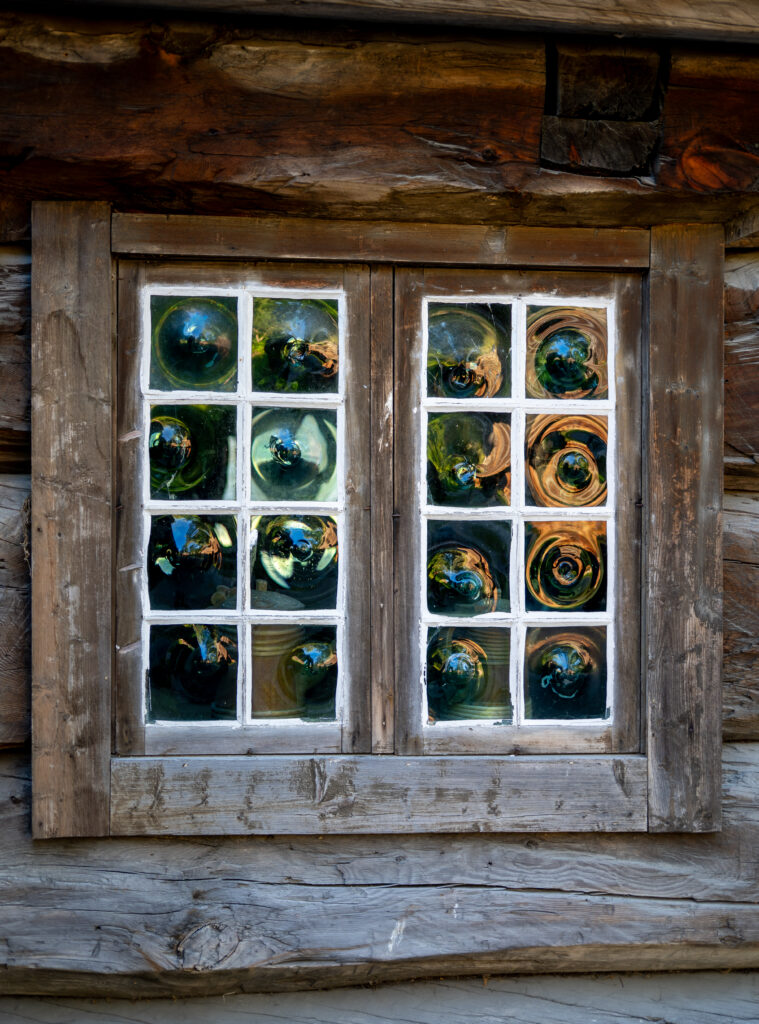
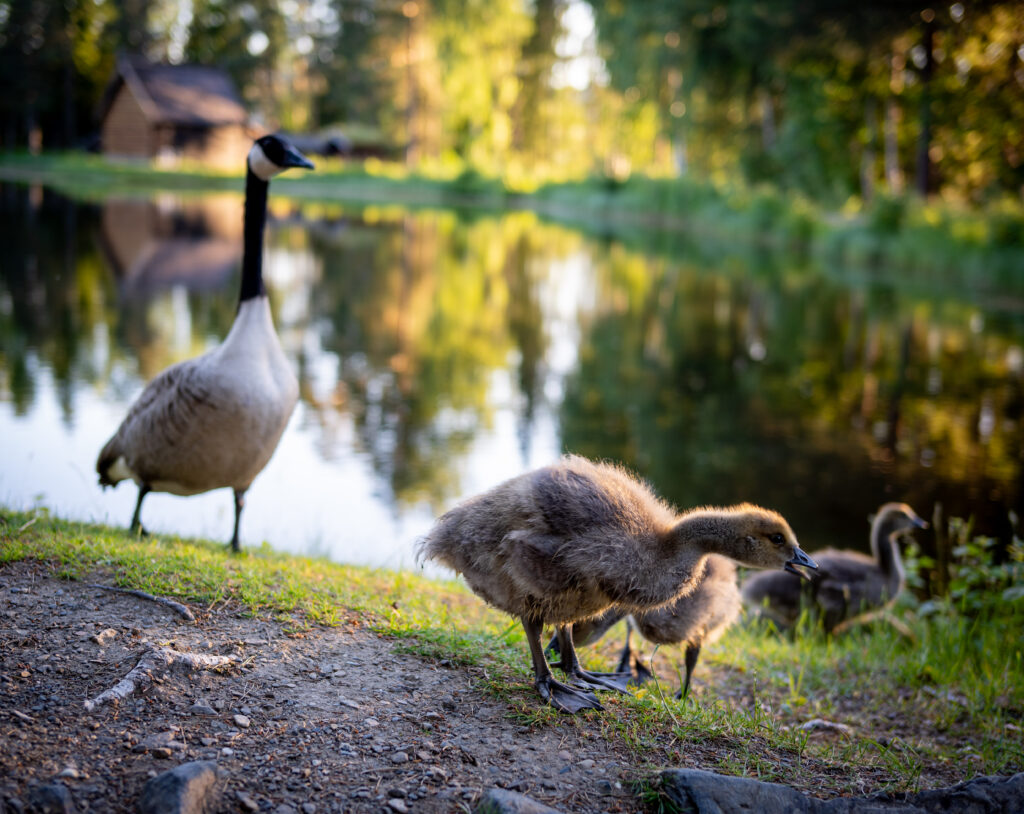
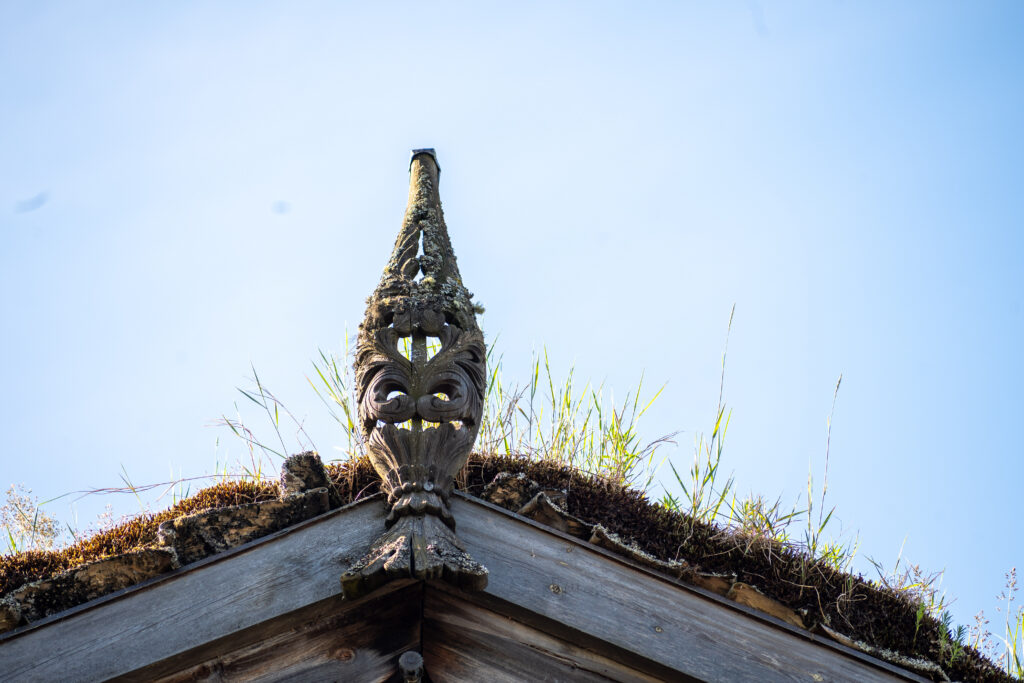
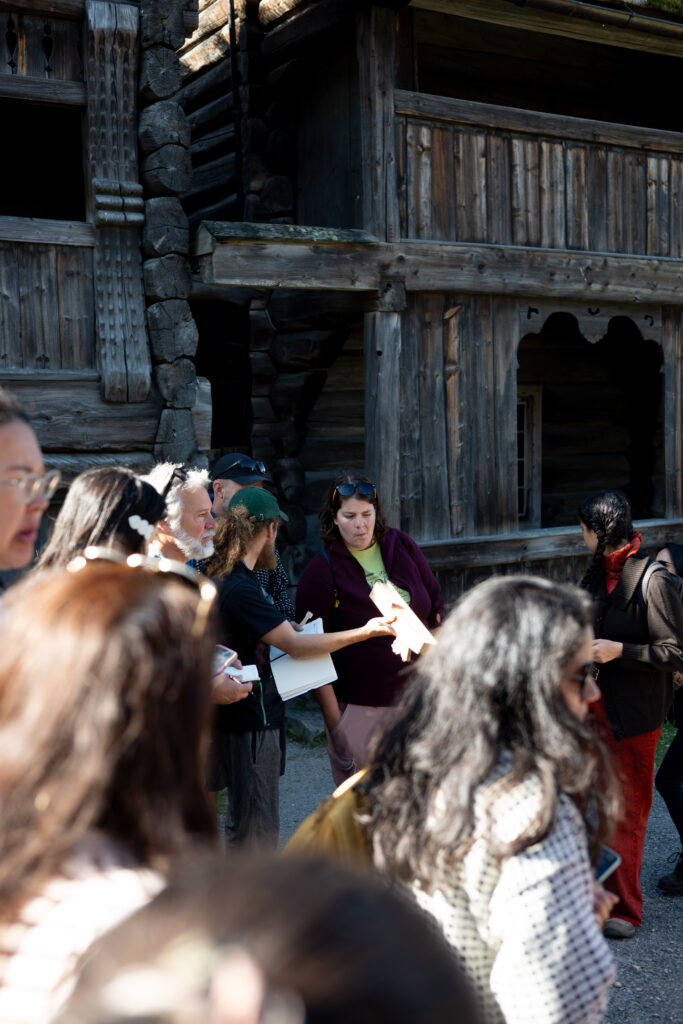
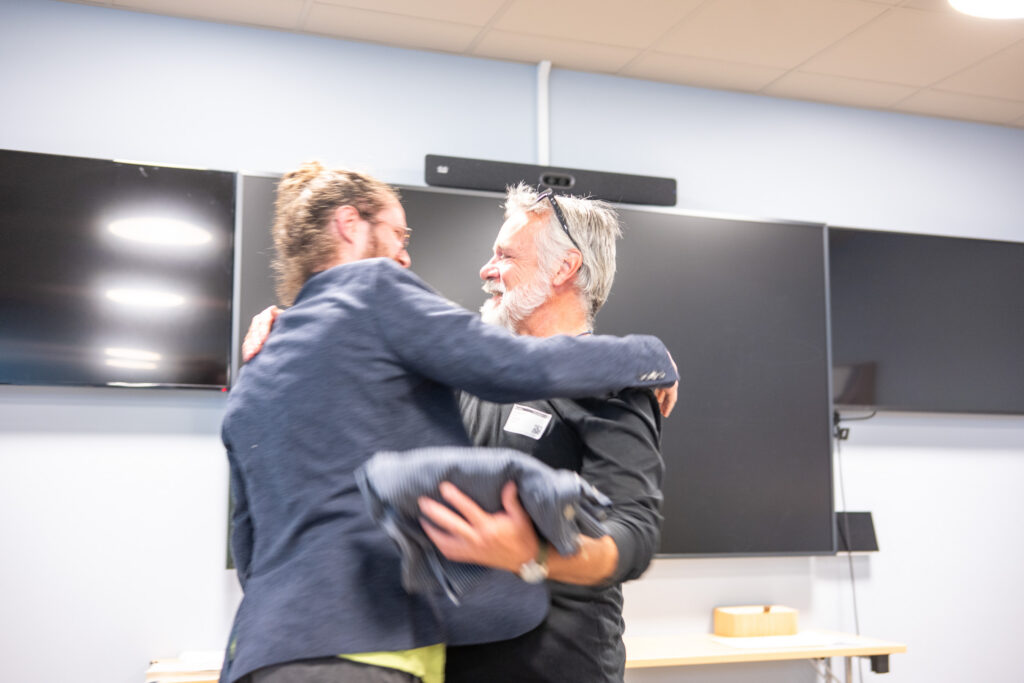
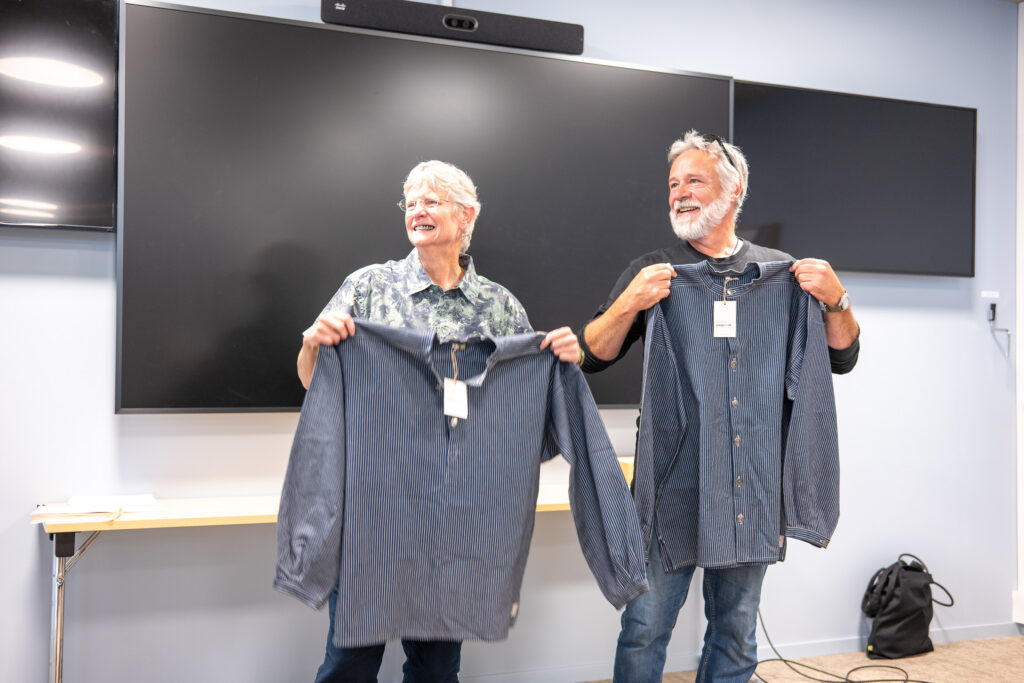
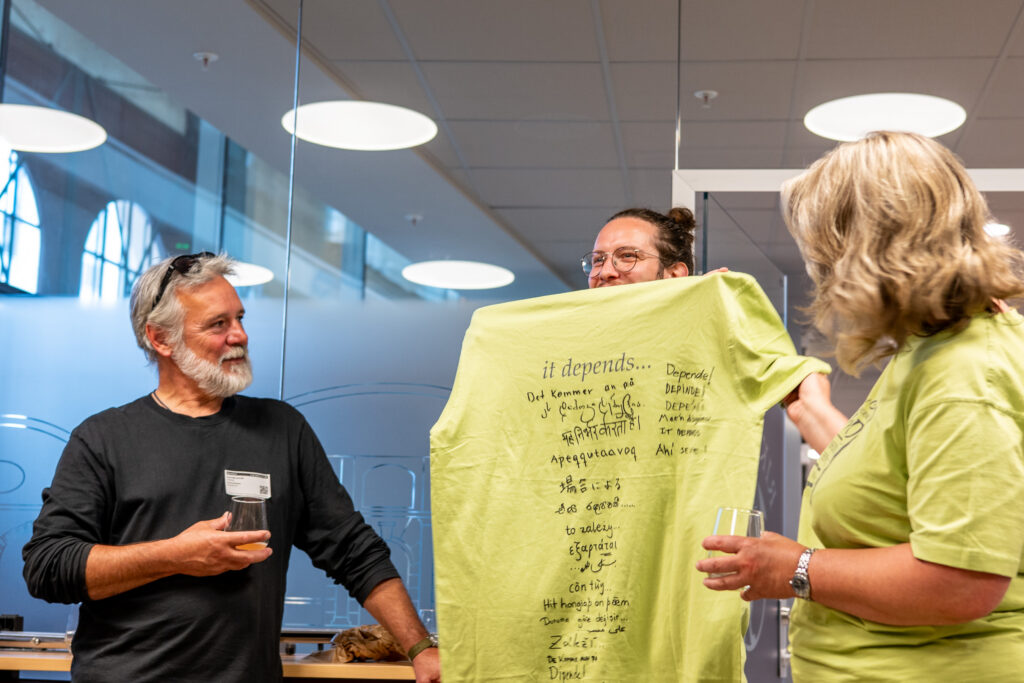
Instead of trying to capture all details of this in writing I’ll share a small selection of my camera roll from the practical part of the course—if it’s true that a picture is worth a thousand words1, then this should constitute a thick novel. Thank you too to all the wonderful people we met along the way, and all the rest of the lecturers. I won’t try to list you all in fear of forgetting someone, but each and every bit of input has been of great value.
Please click individual pictures to see them in full, and navigate each gallery with the arrows. WordPress and I doesn’t seem to agree on the framing of my photos in preview form.
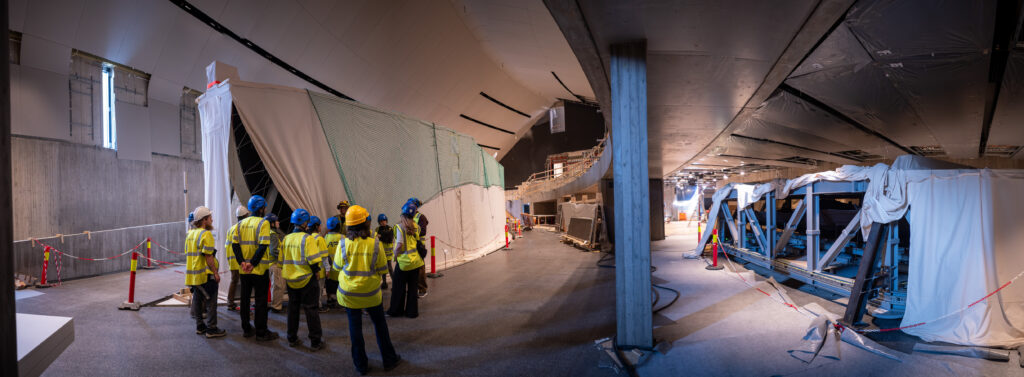
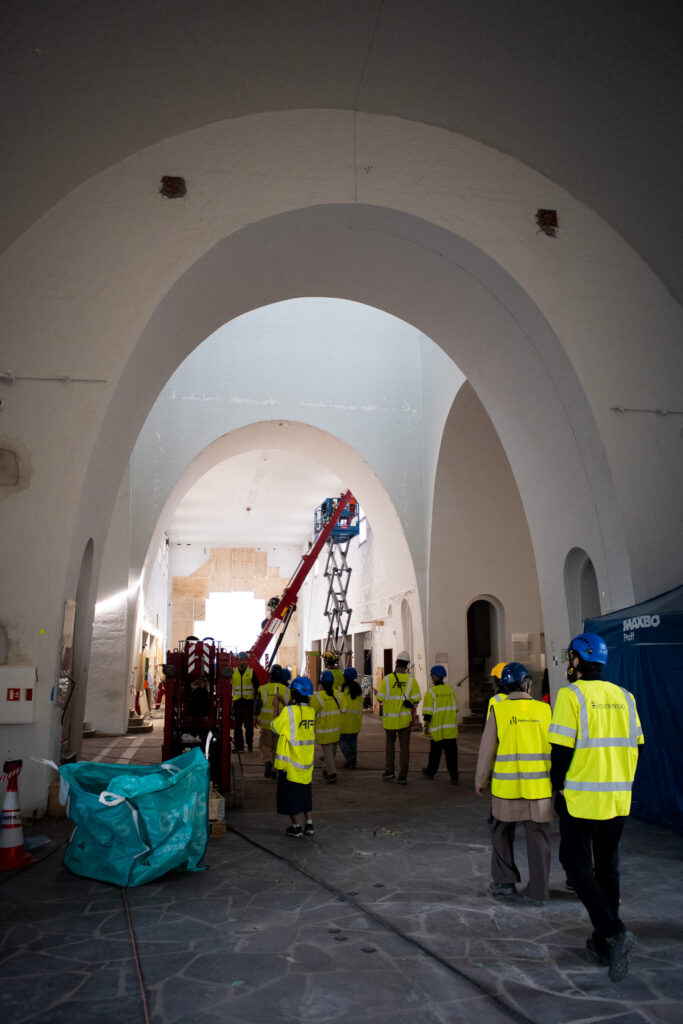
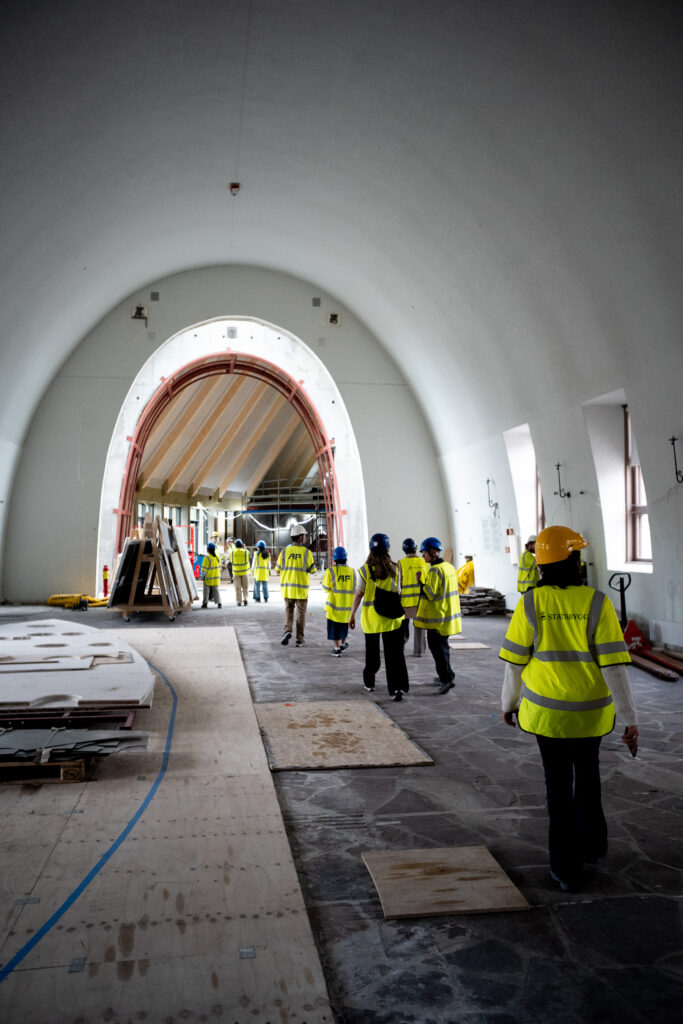
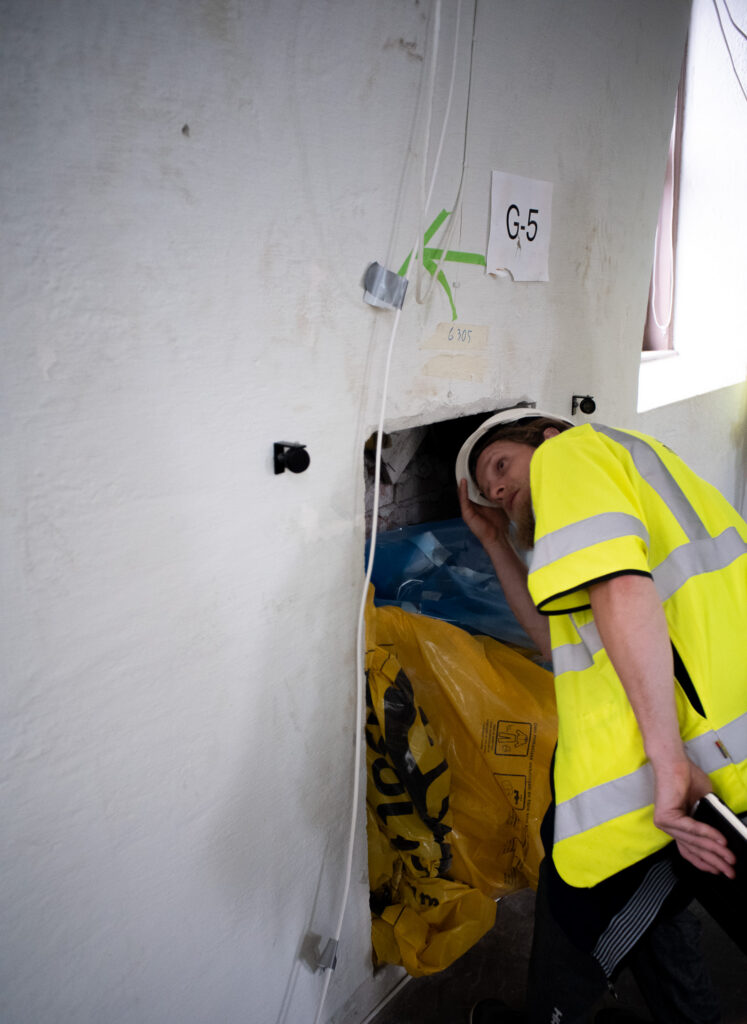
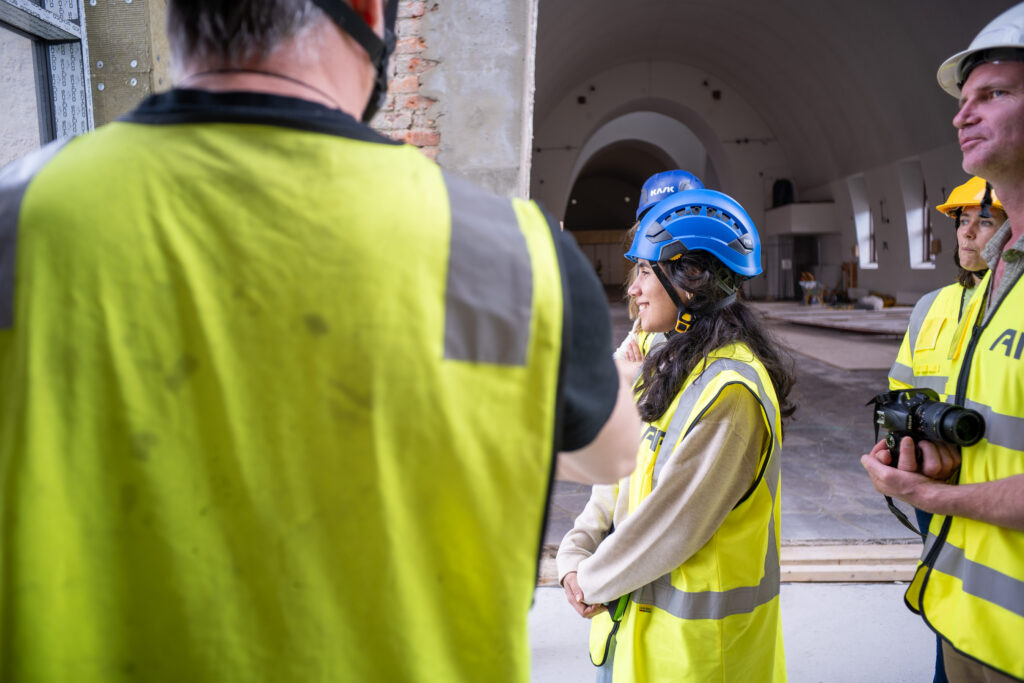
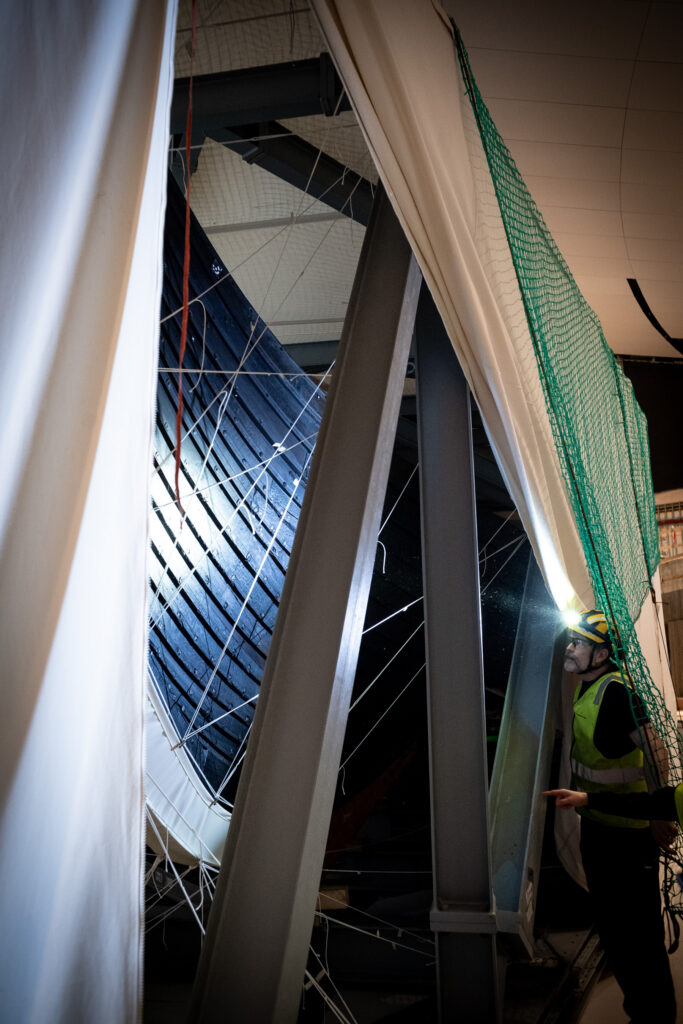
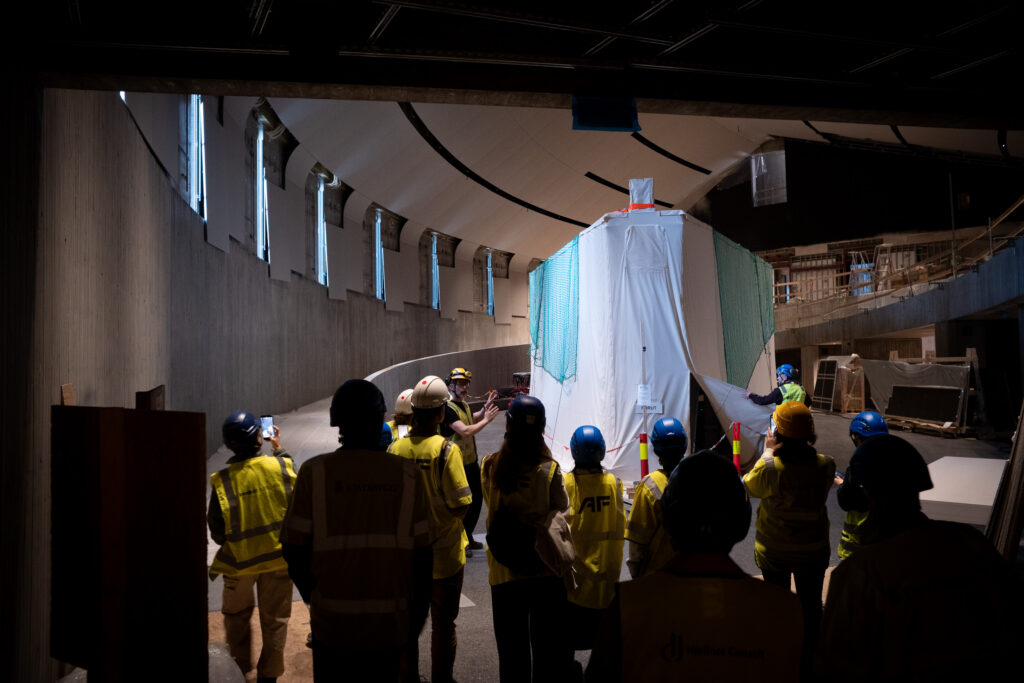
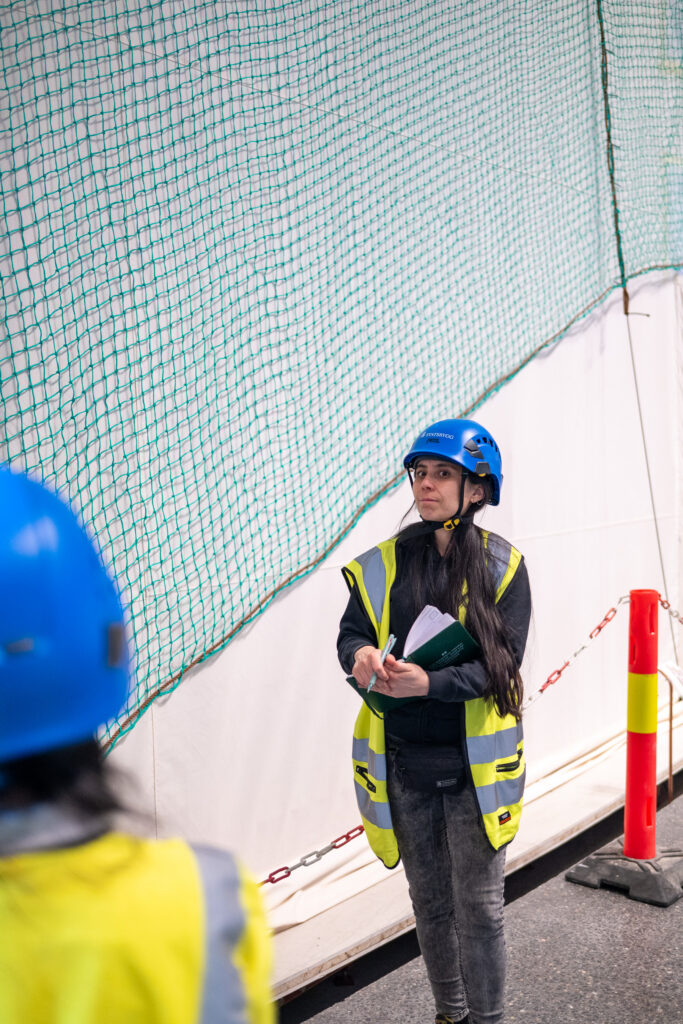
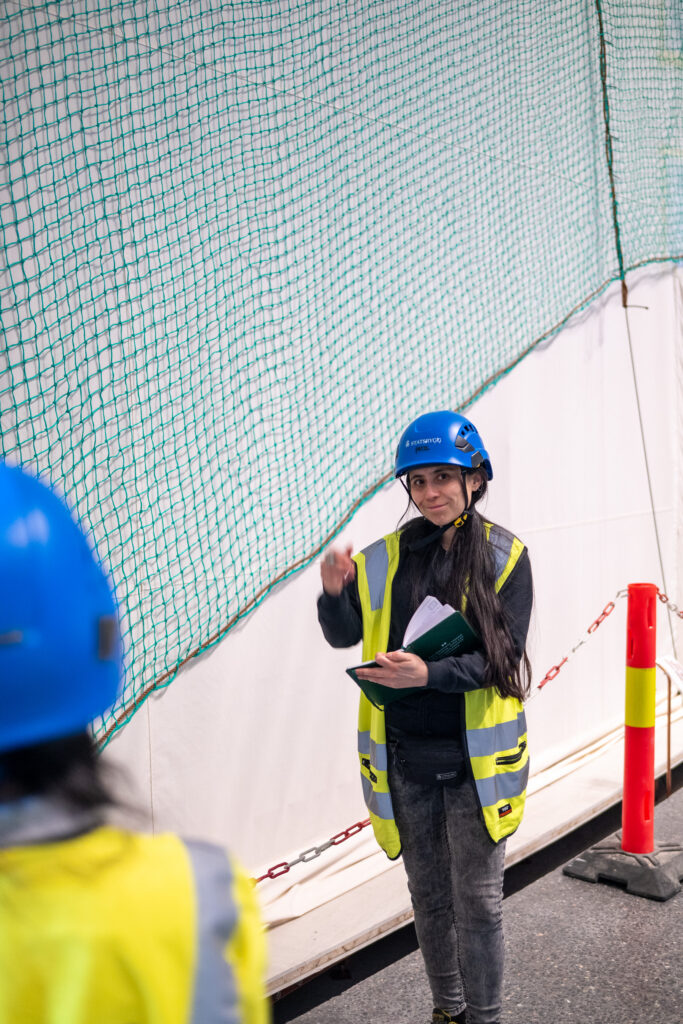
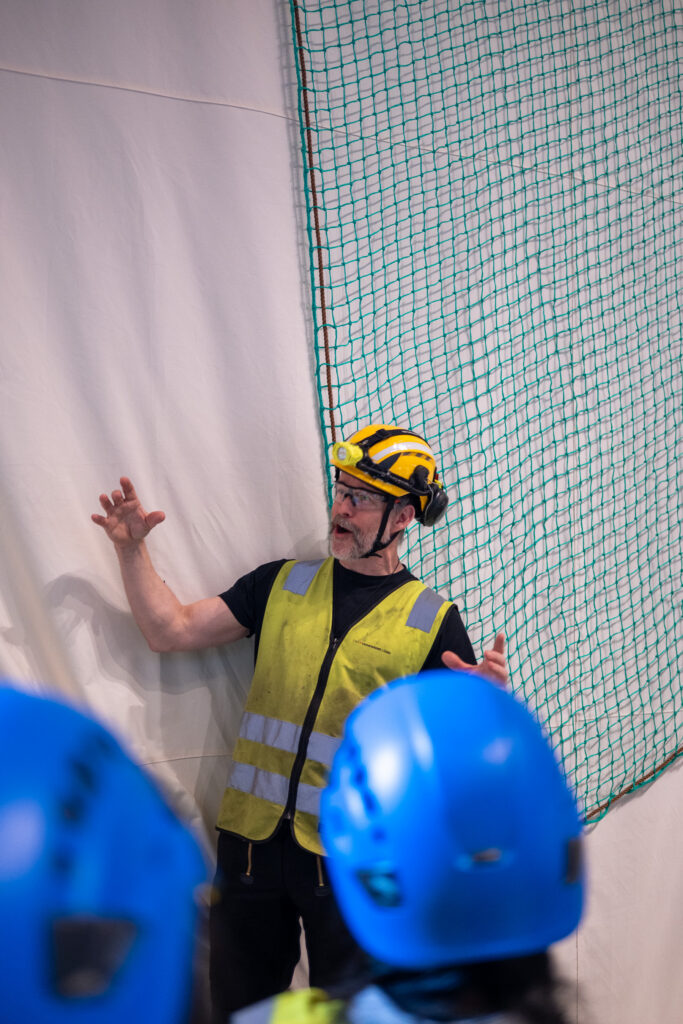
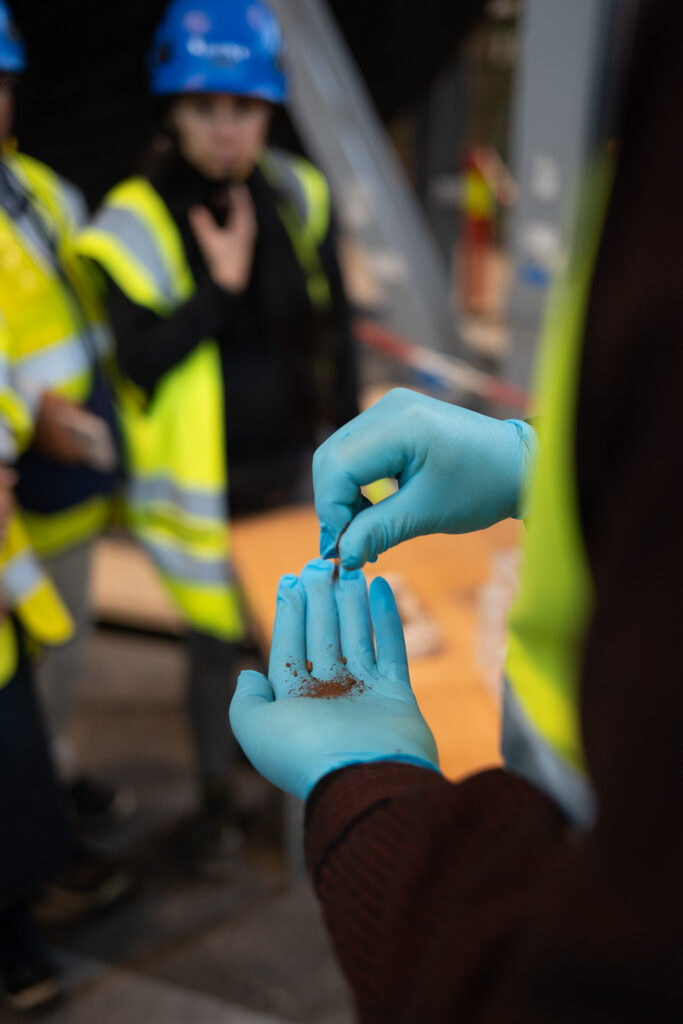
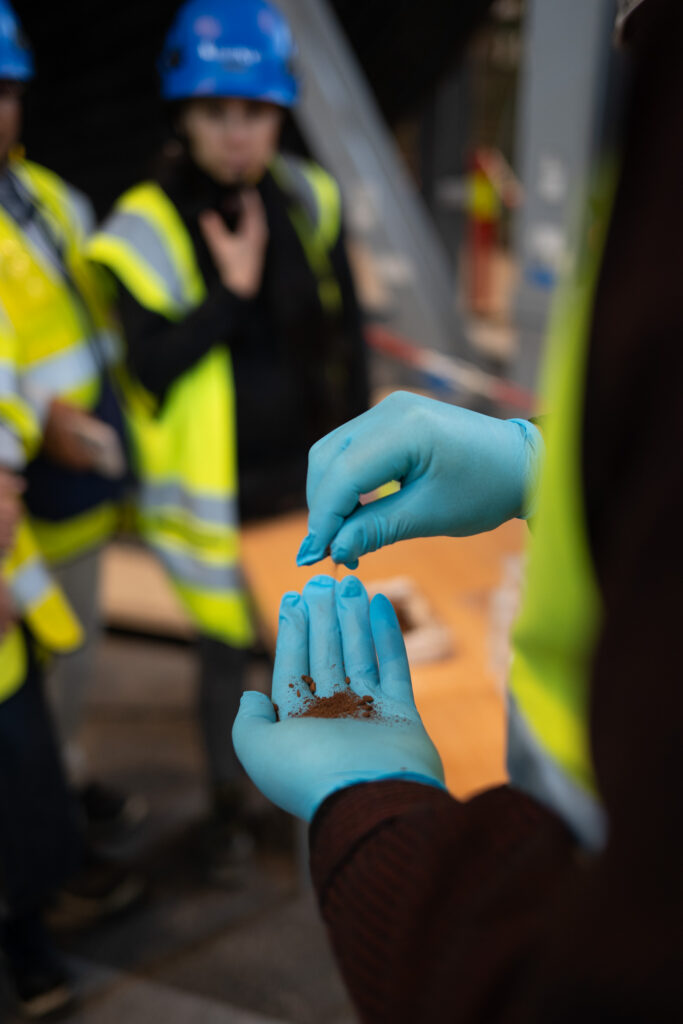
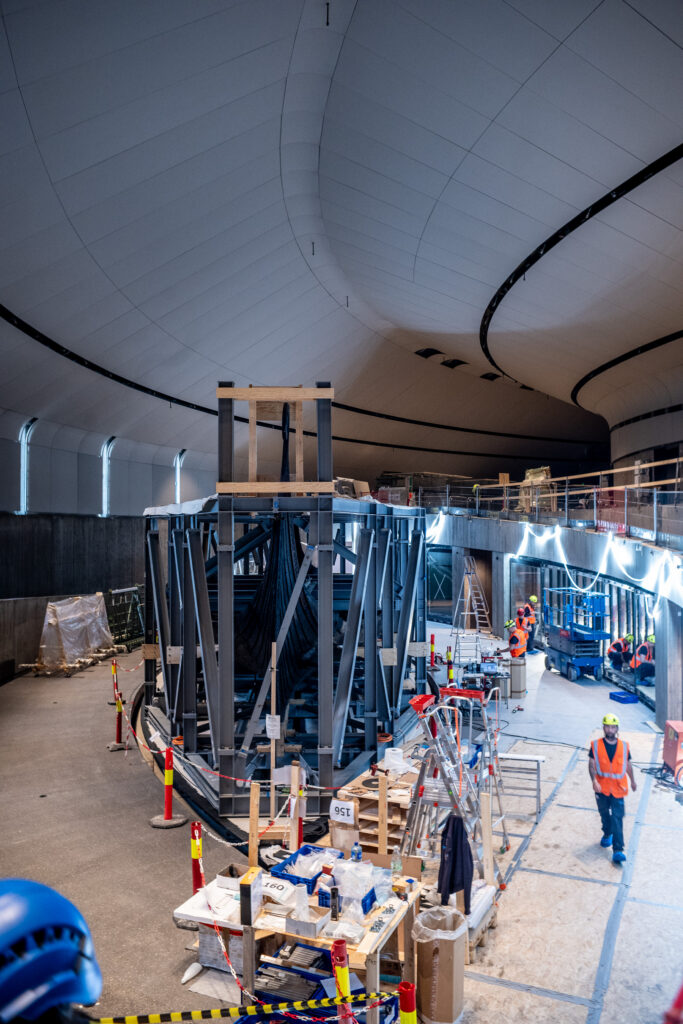
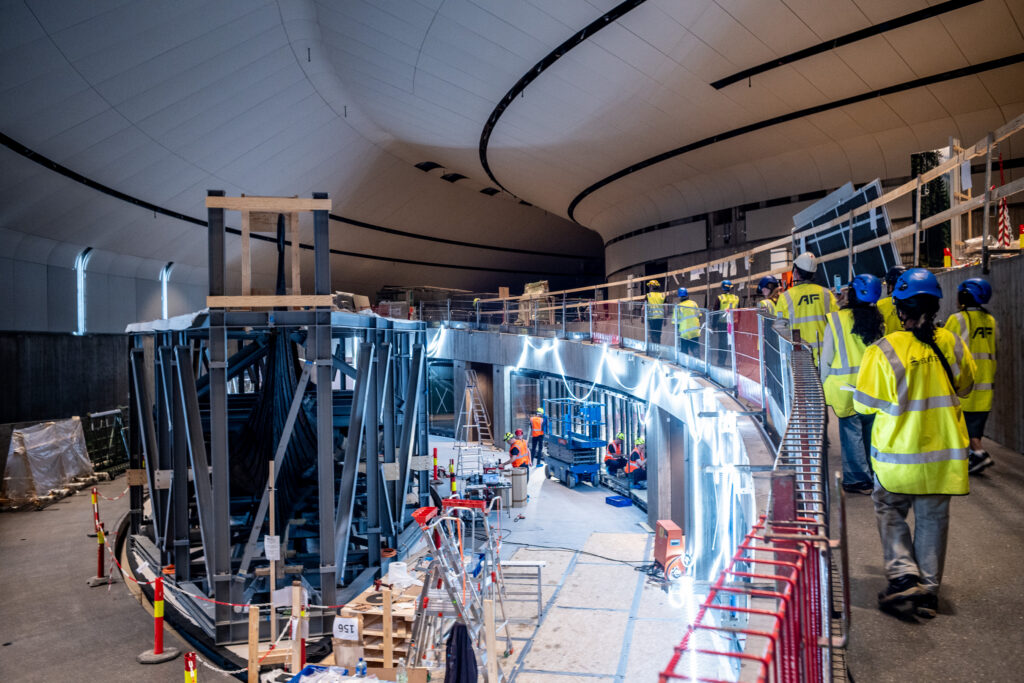
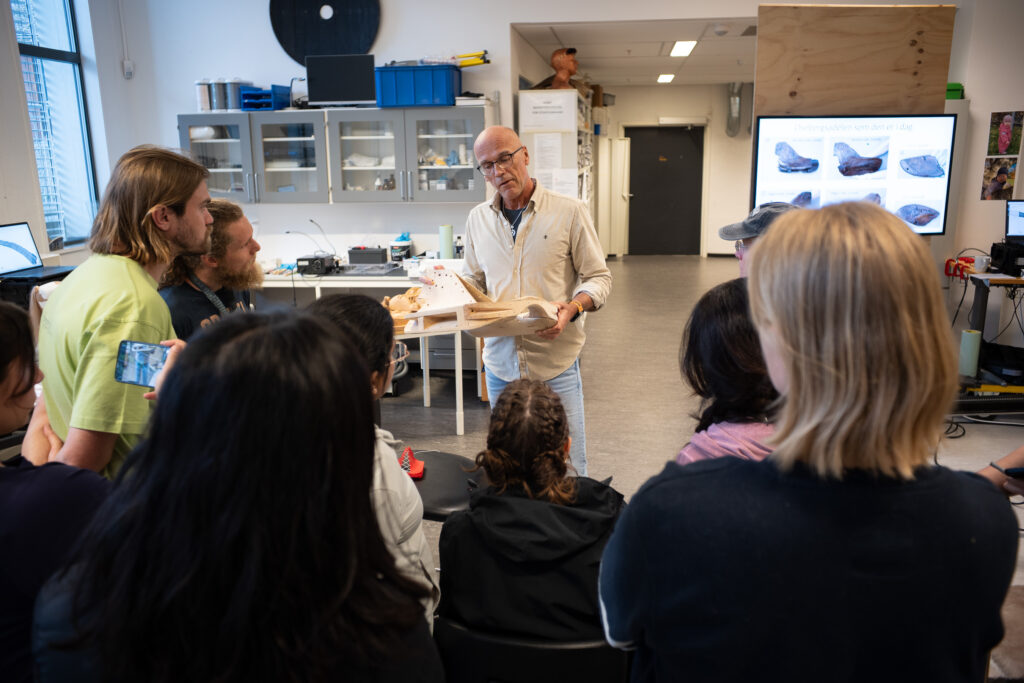
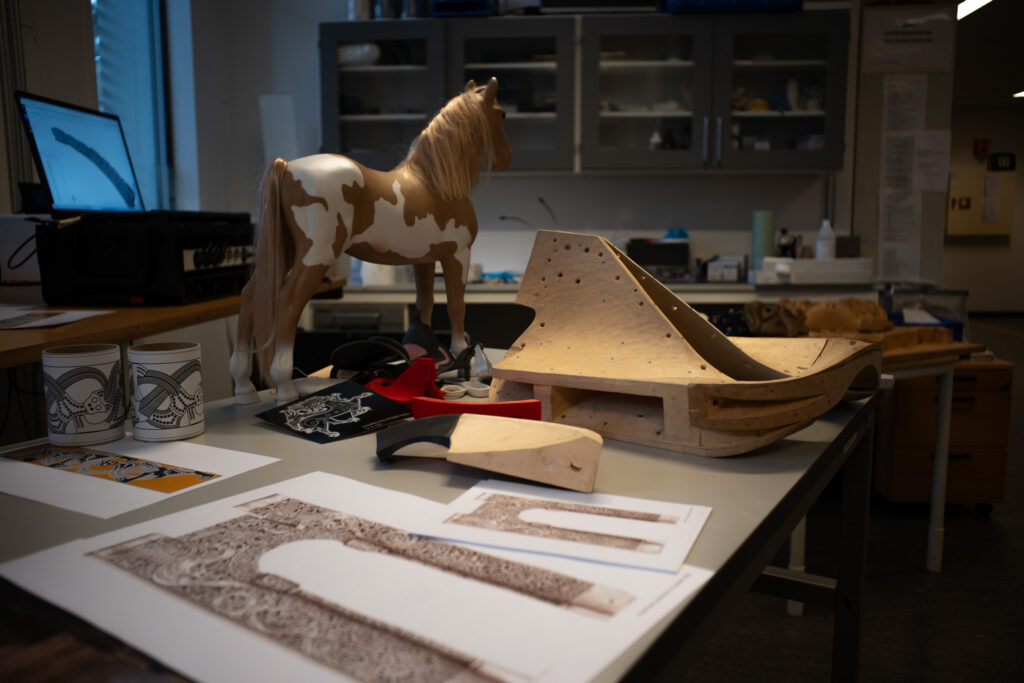
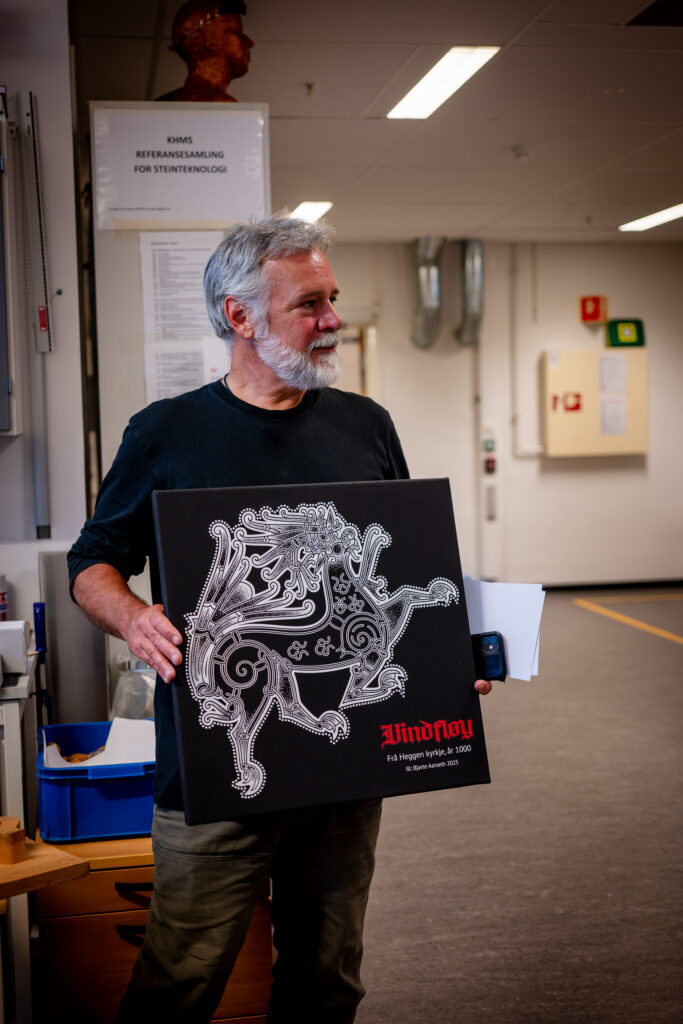
The course started with a tour of the soon-to-be-opened Viking Age Museum, and continued through Folkemuseet, the Norwegian Museum of Cultural History with dr. Terje Planke as our brilliant guide.
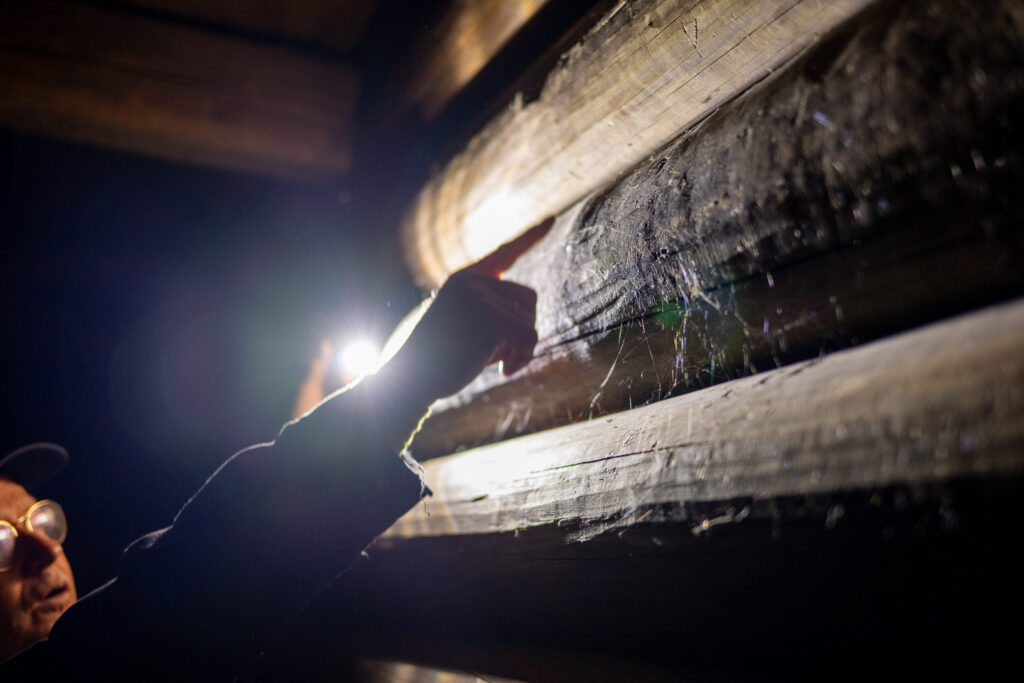
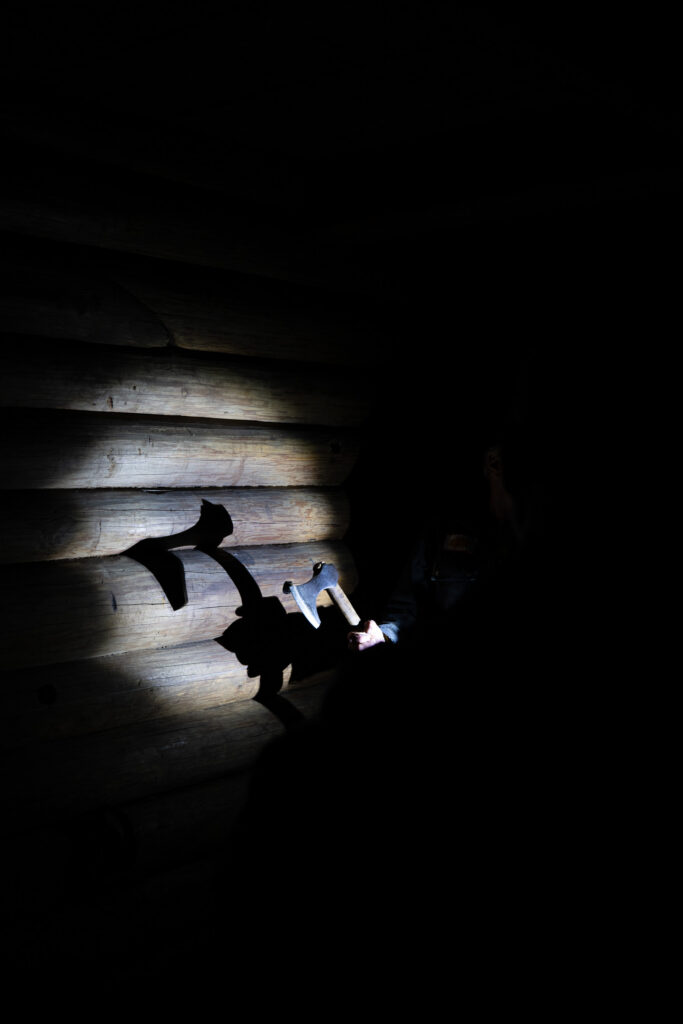
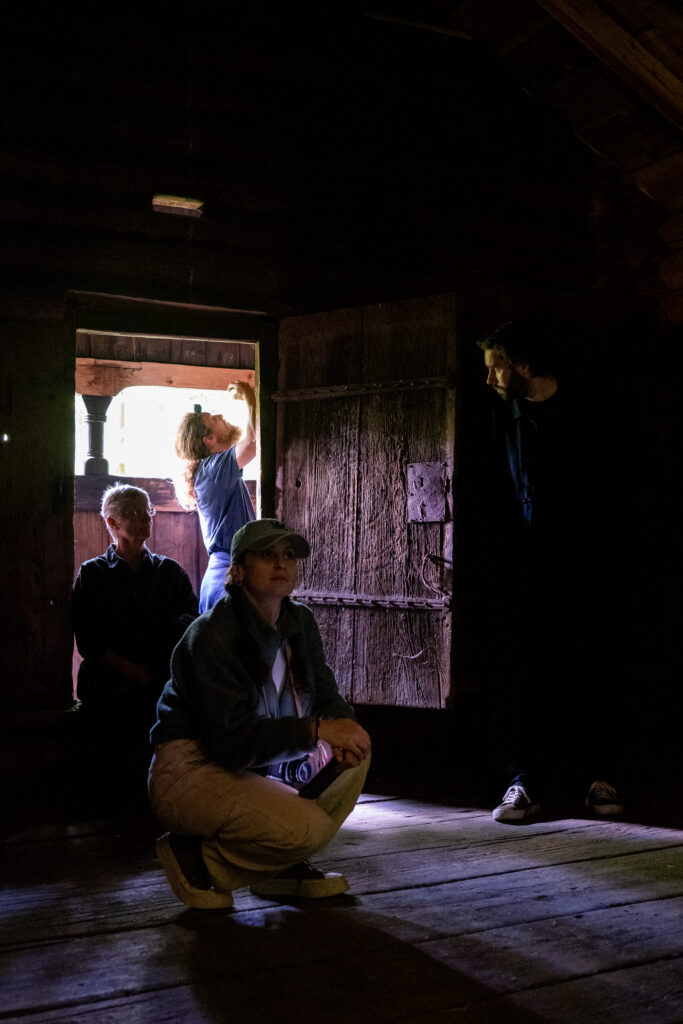
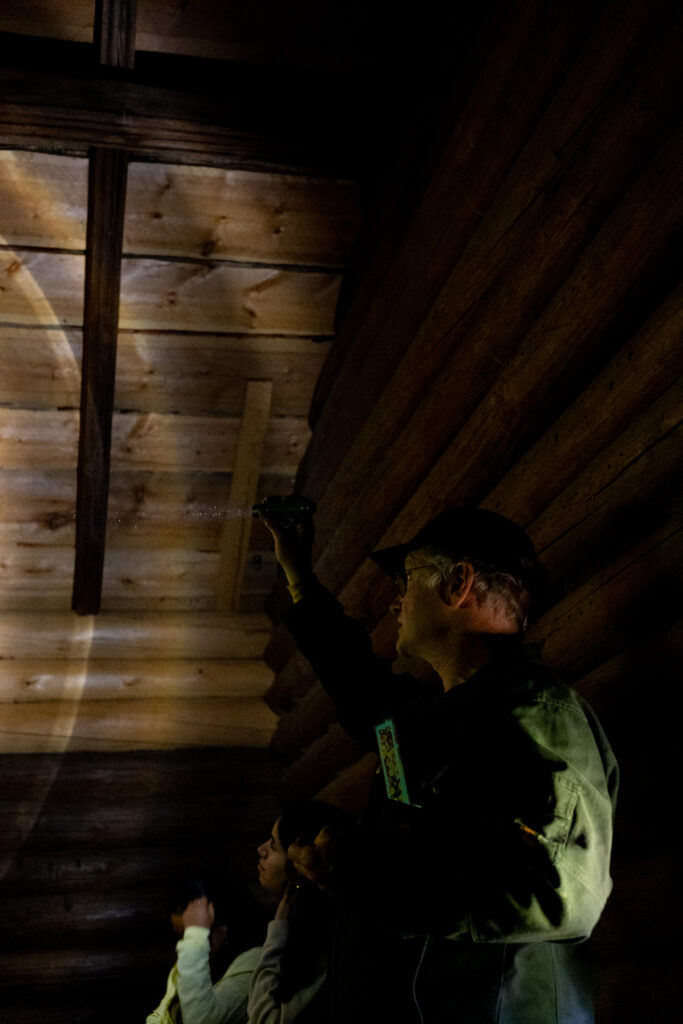
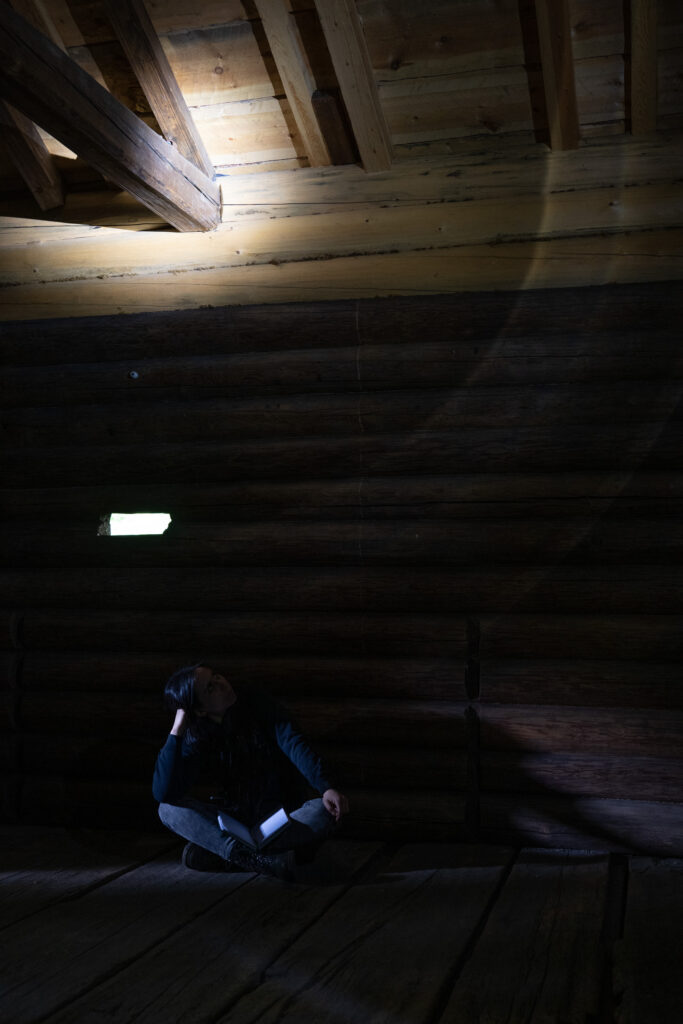
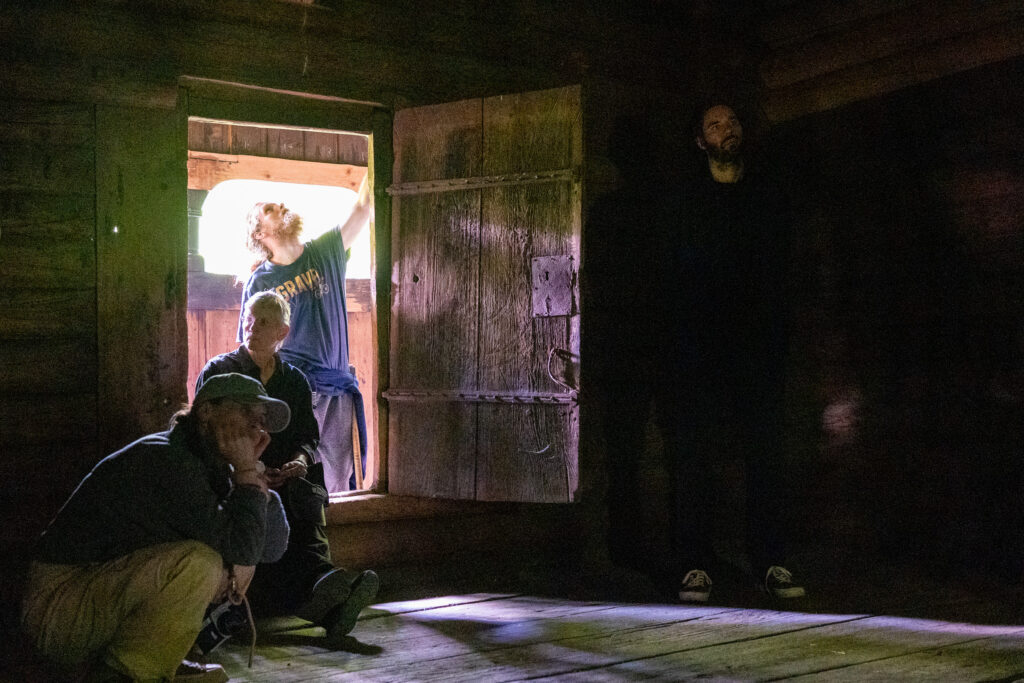
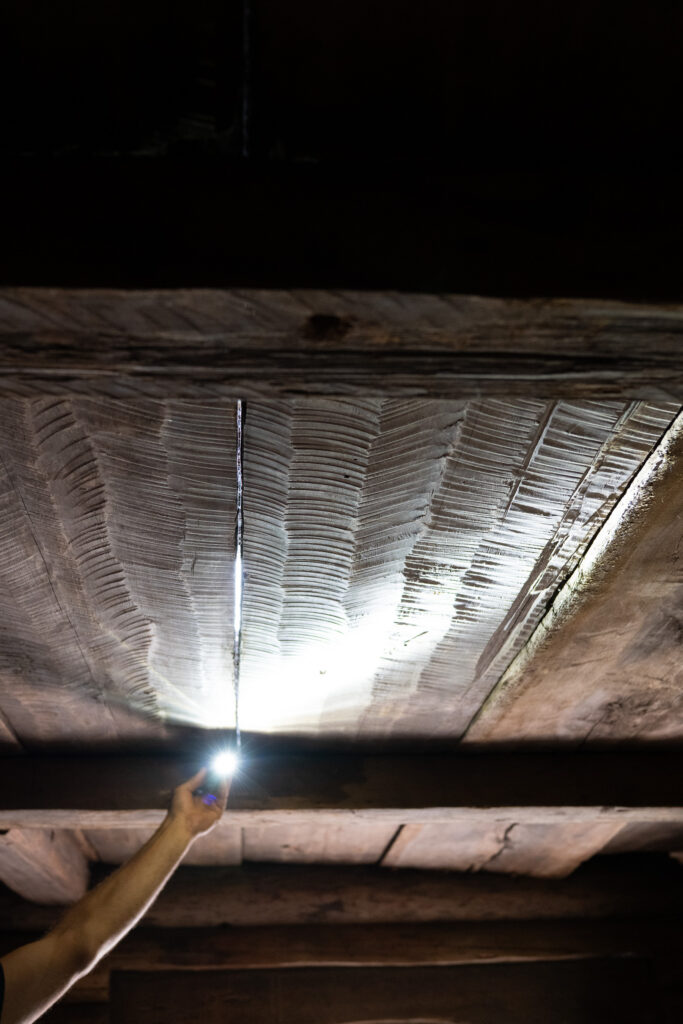
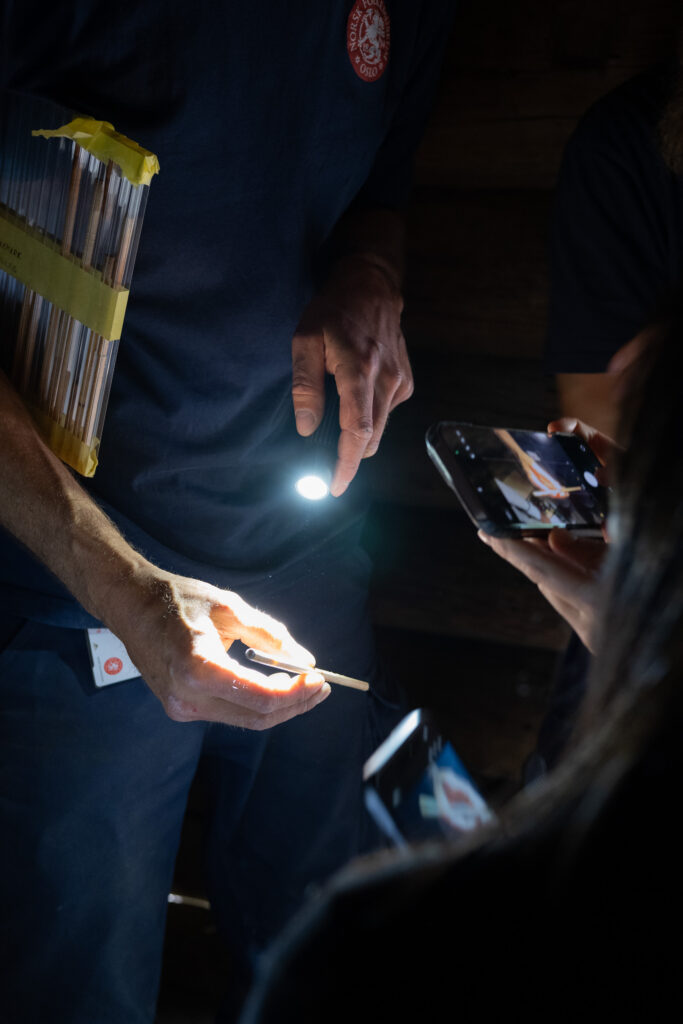
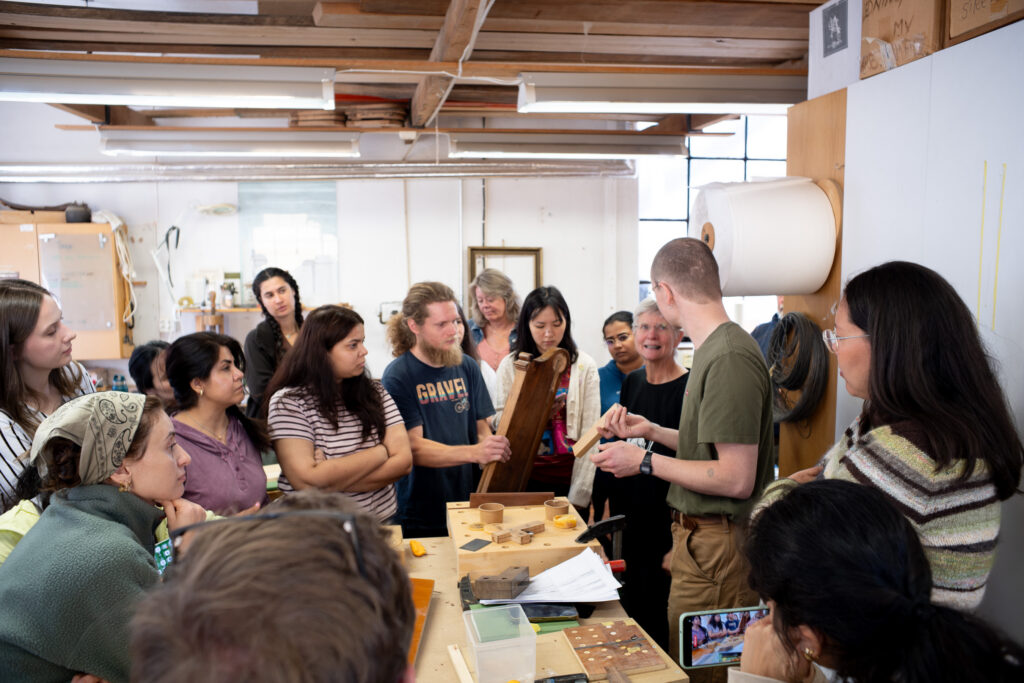
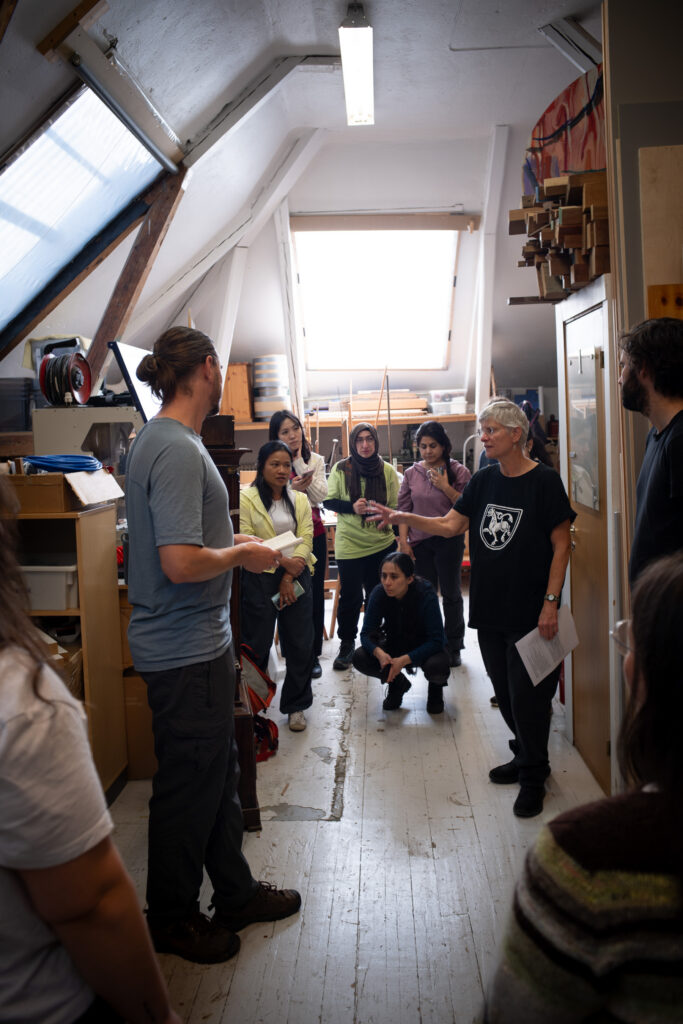
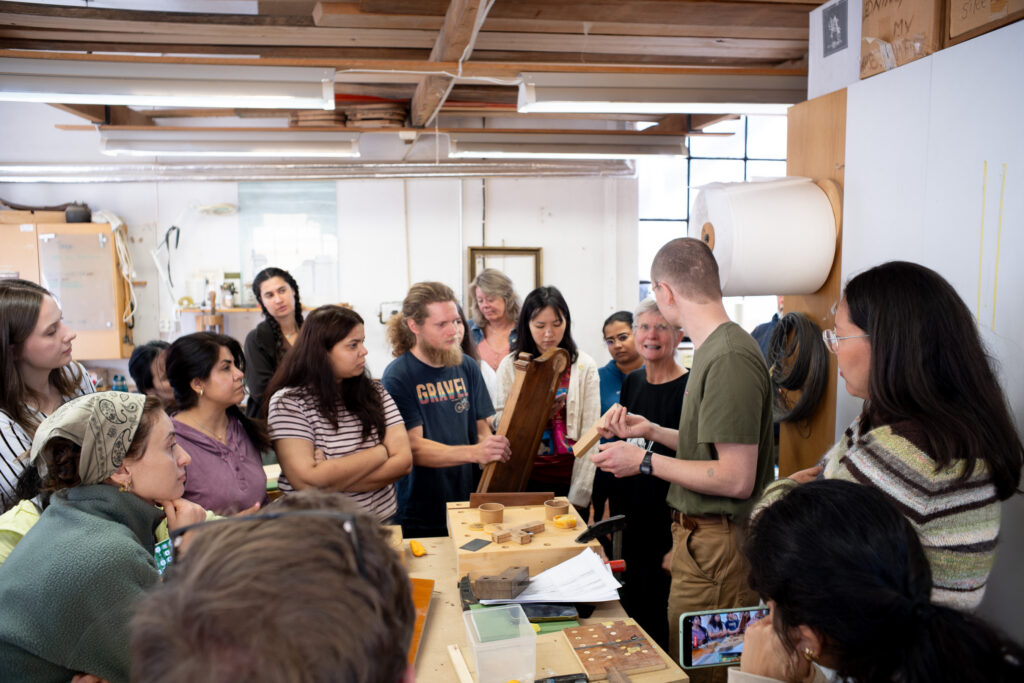
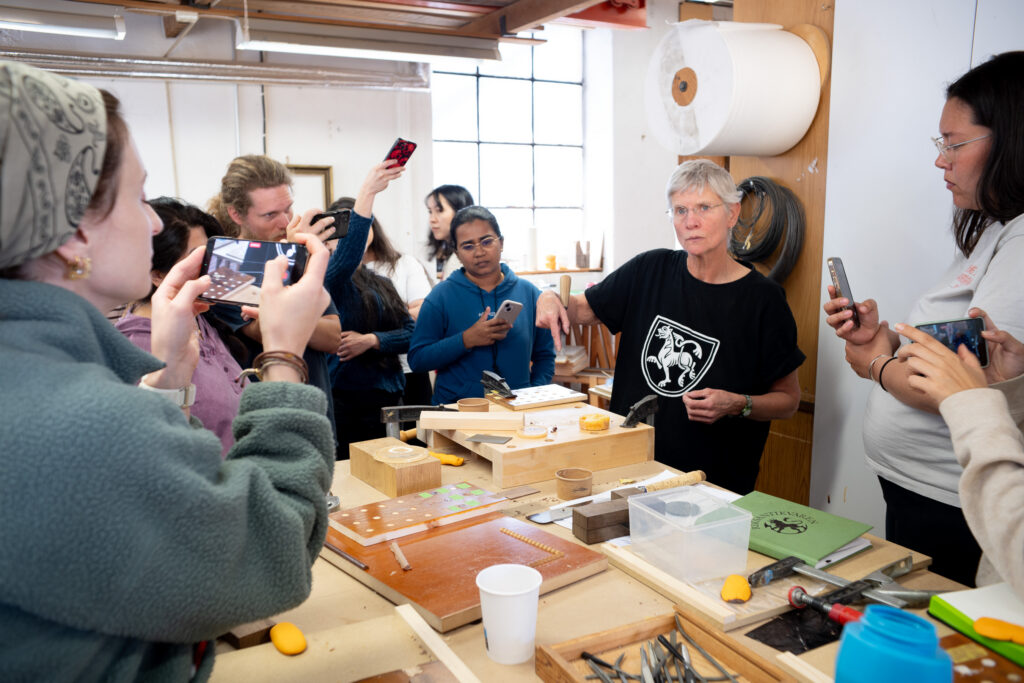
Shayne then took us through two tightly packed and richly educational days of practical object and furniture conservation, interspersed with visits to the storage facilities of Kulturhistorisk museum / the Cultural History museum.
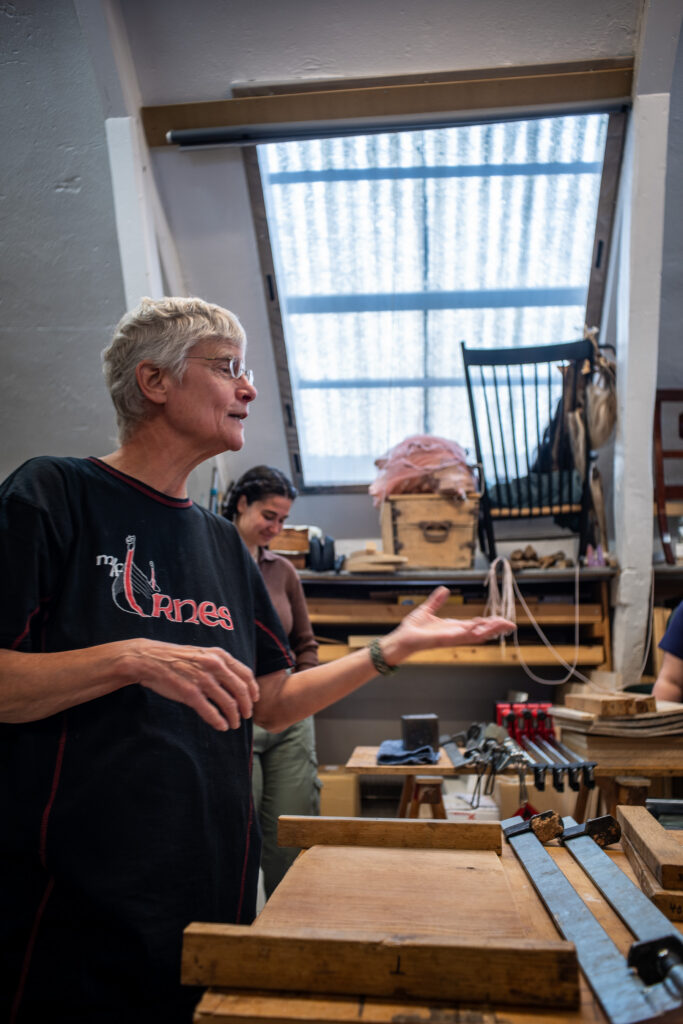
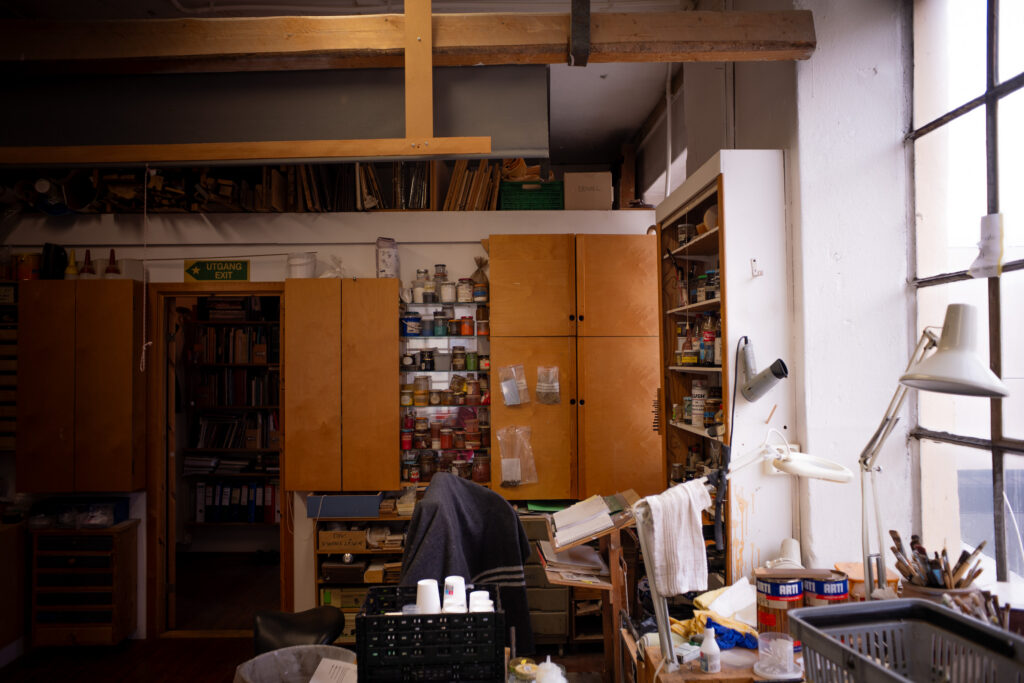
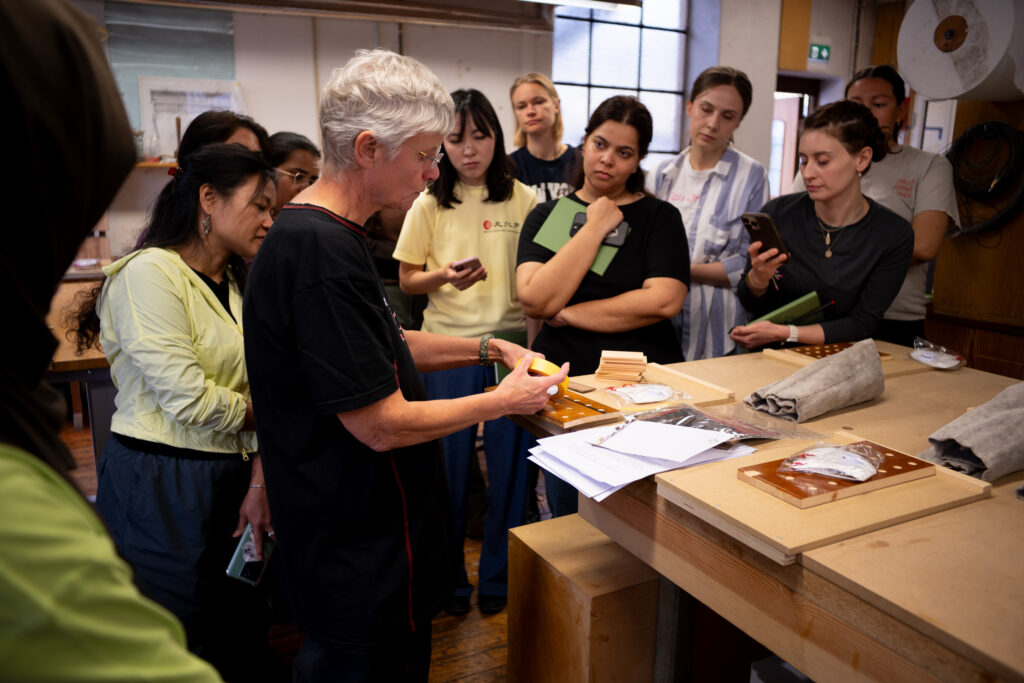
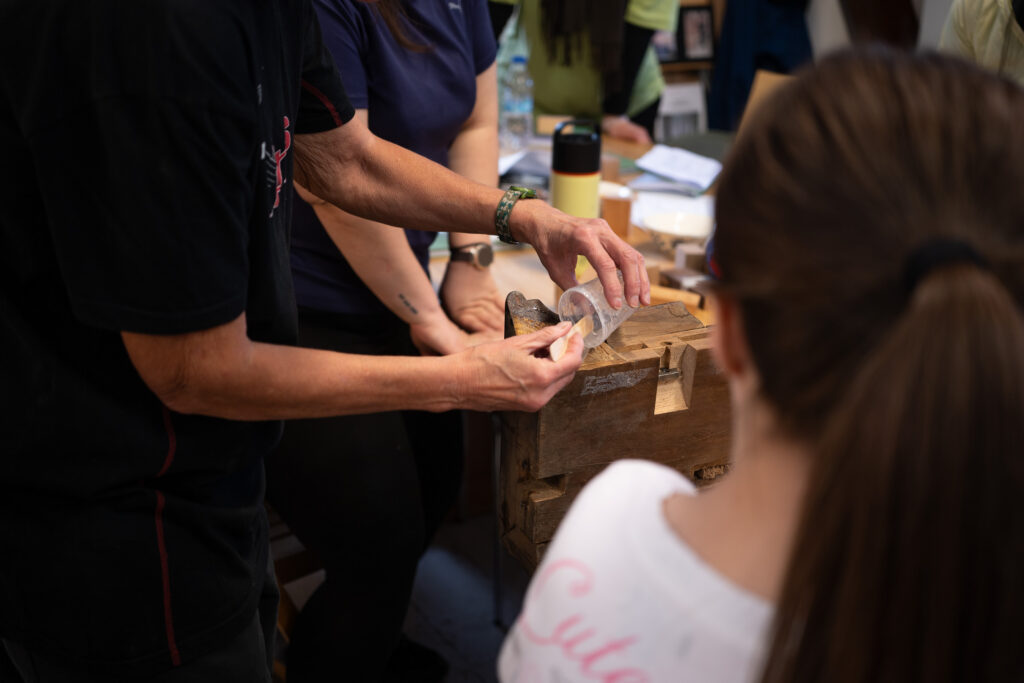
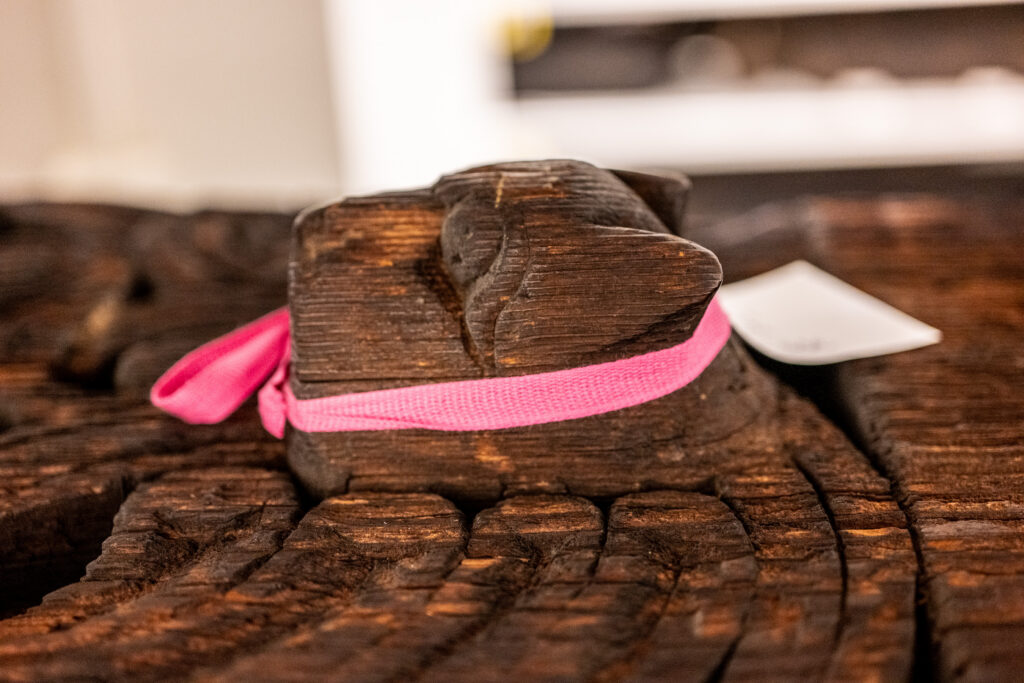
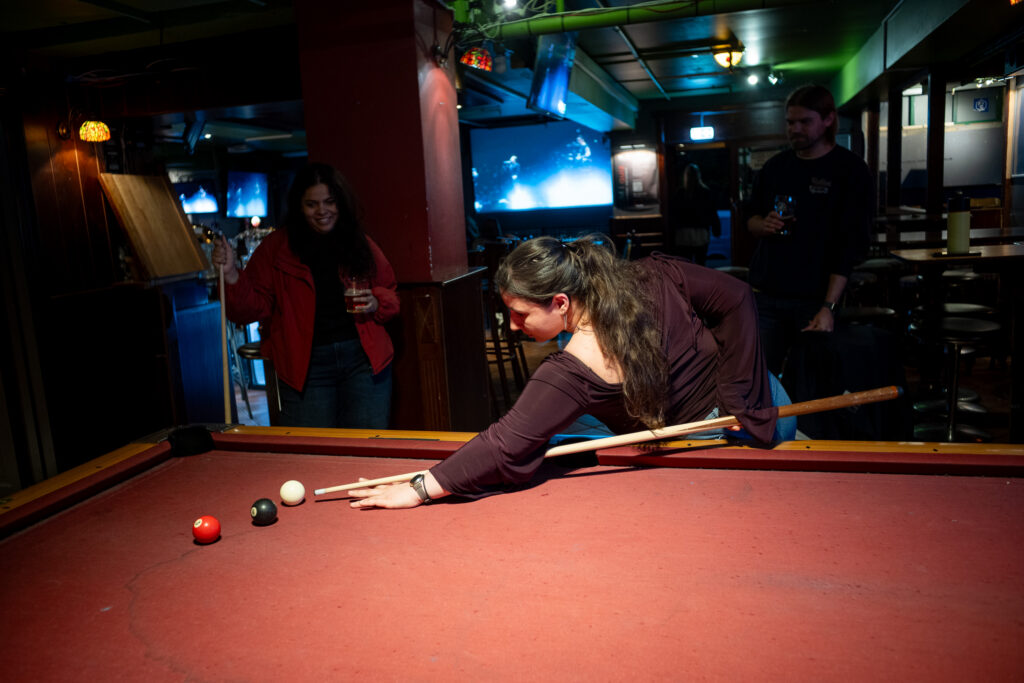
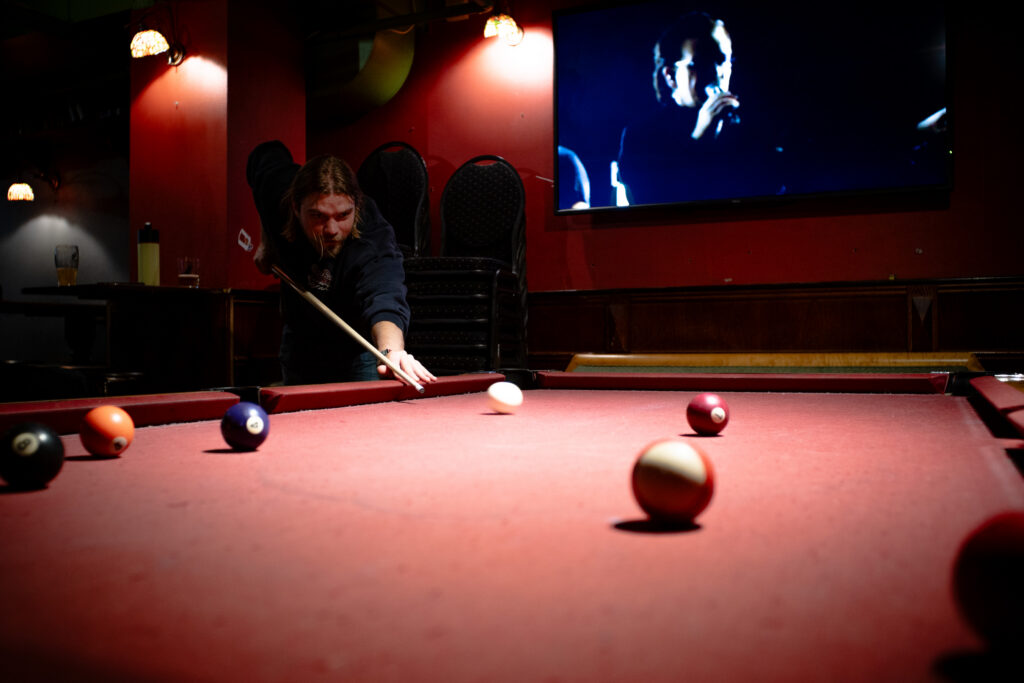
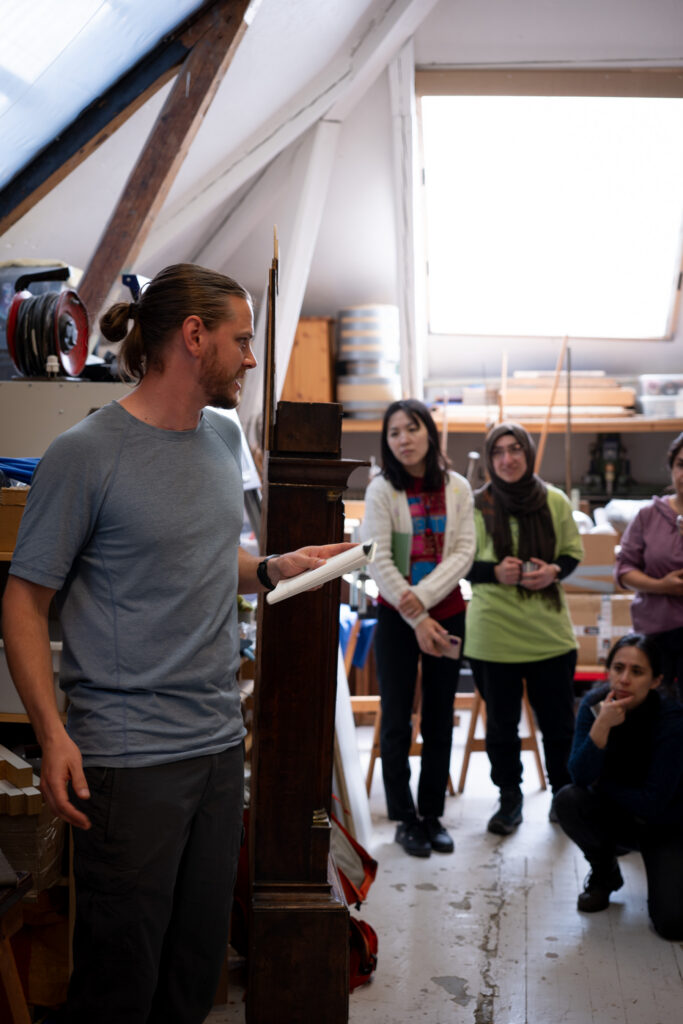
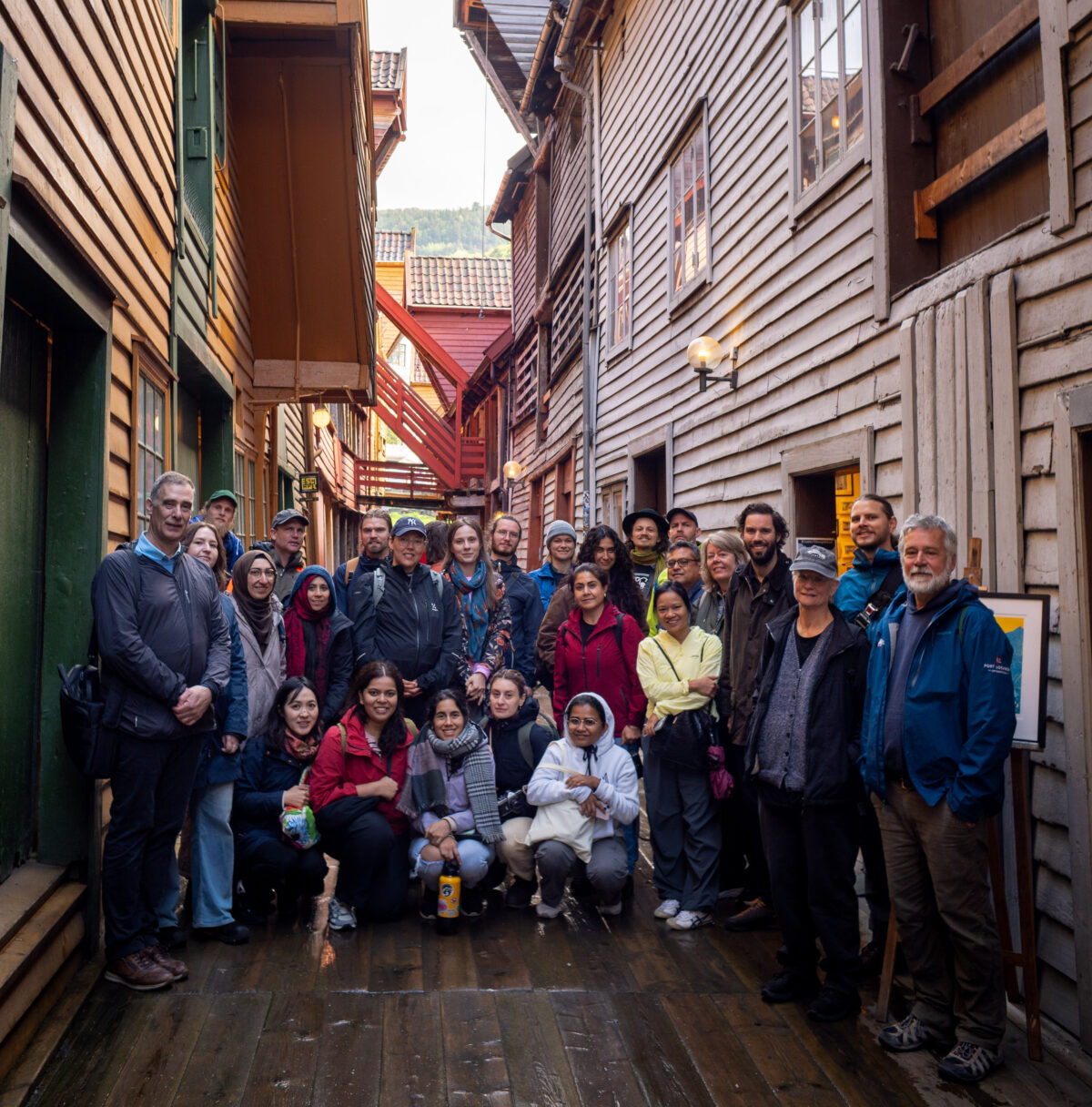
Bergen was next on the route, where Bryggen received us with open arms
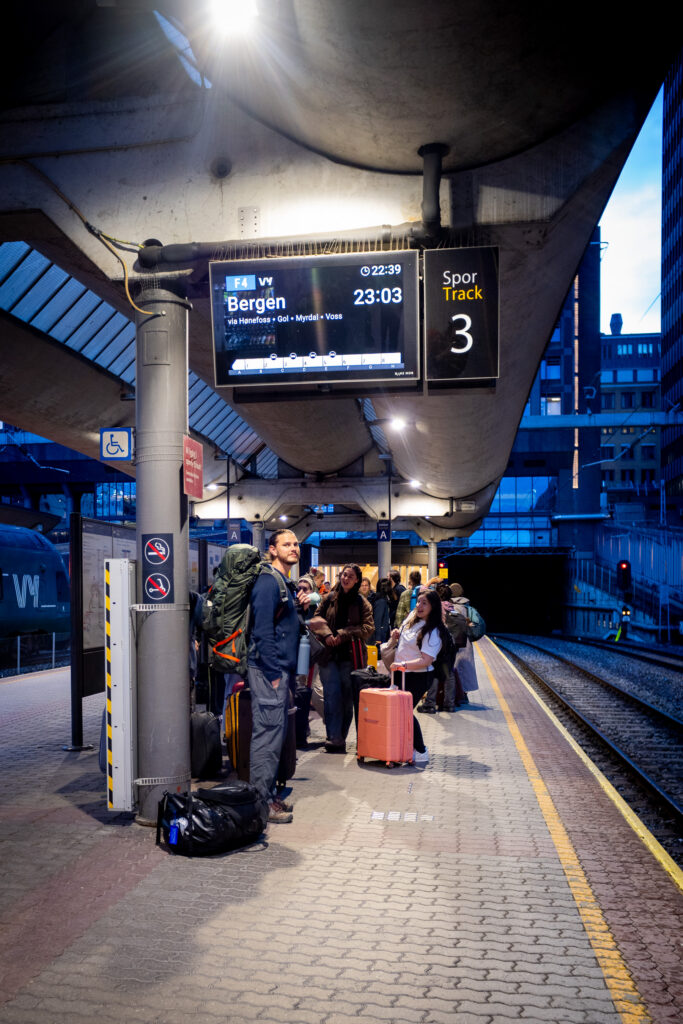
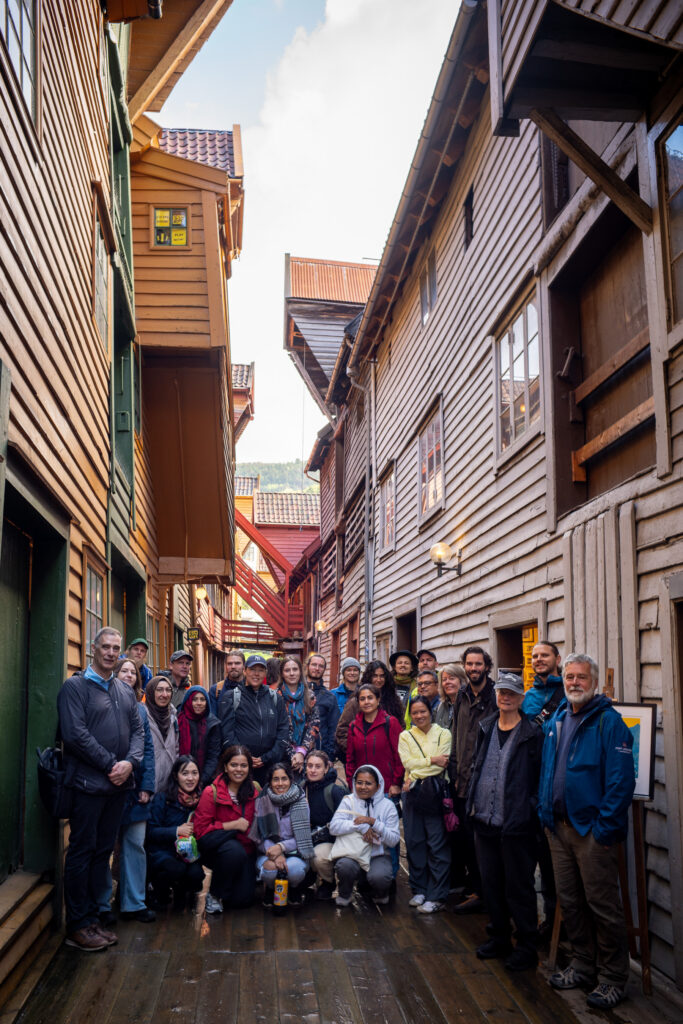
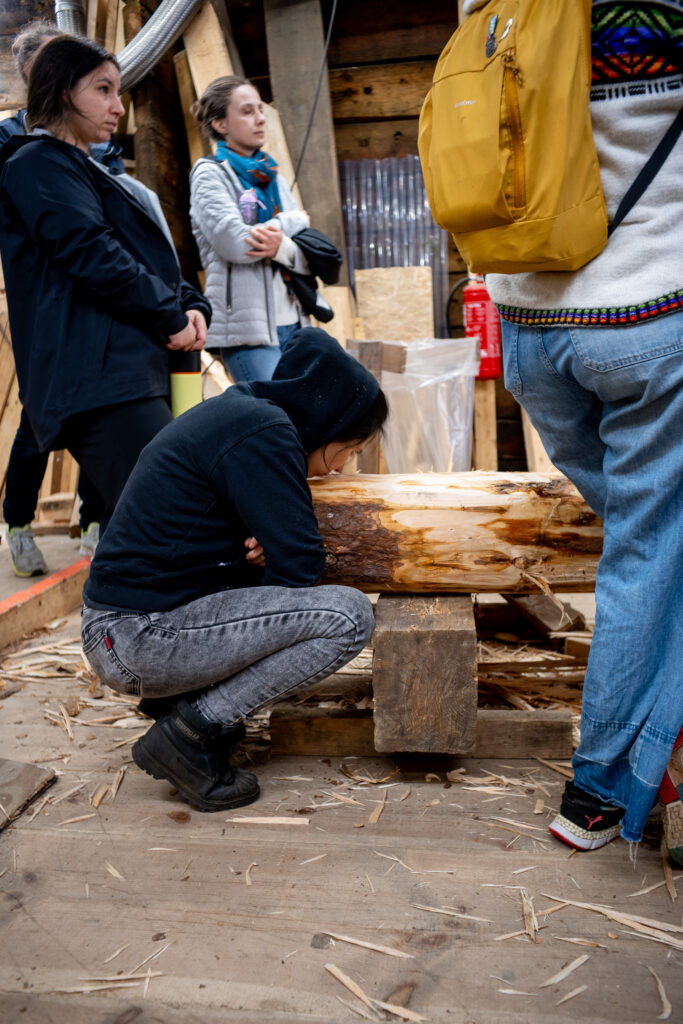
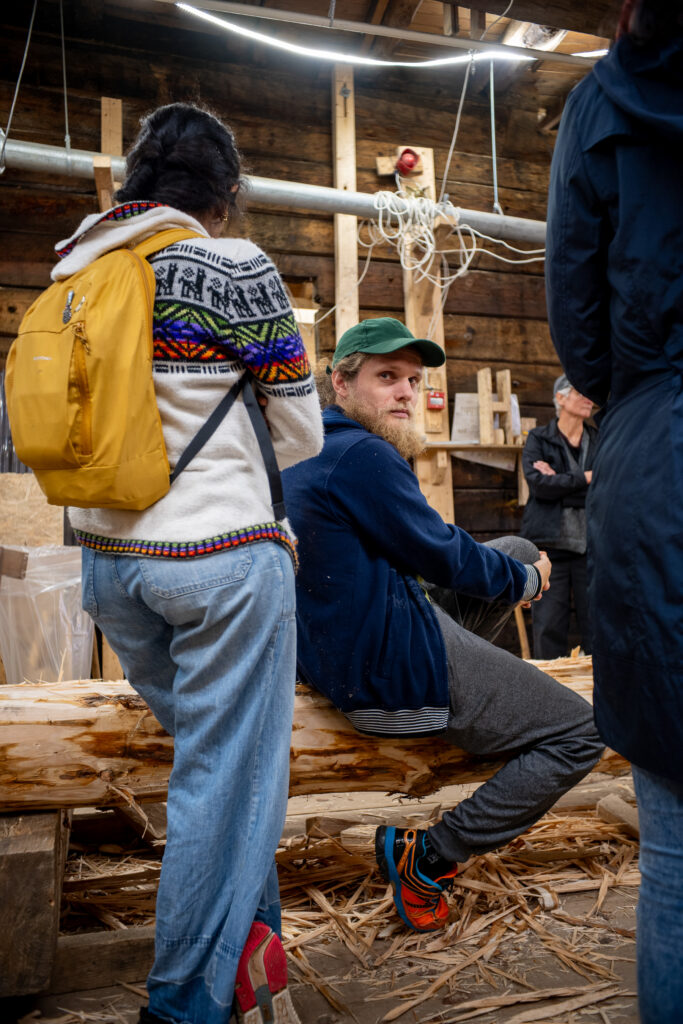
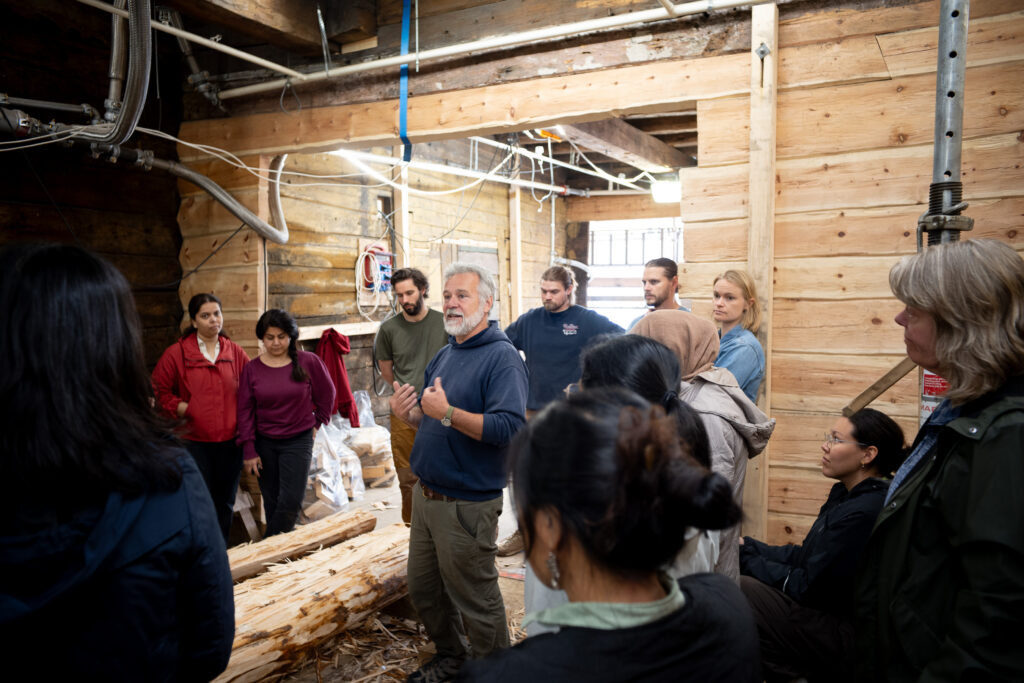
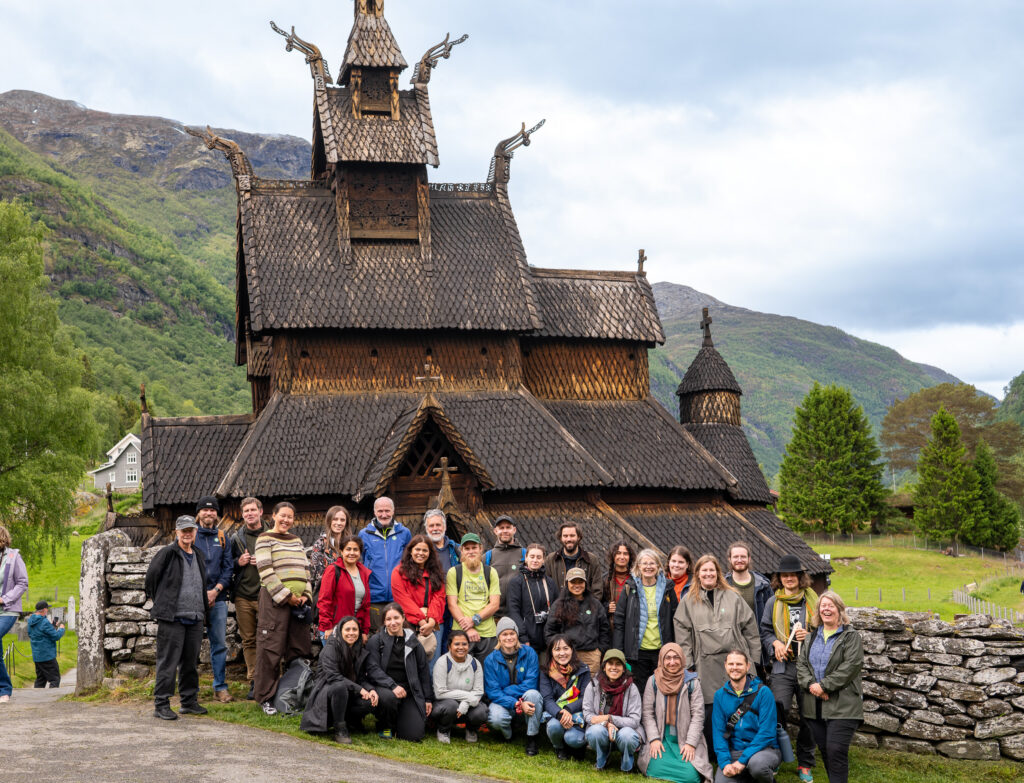
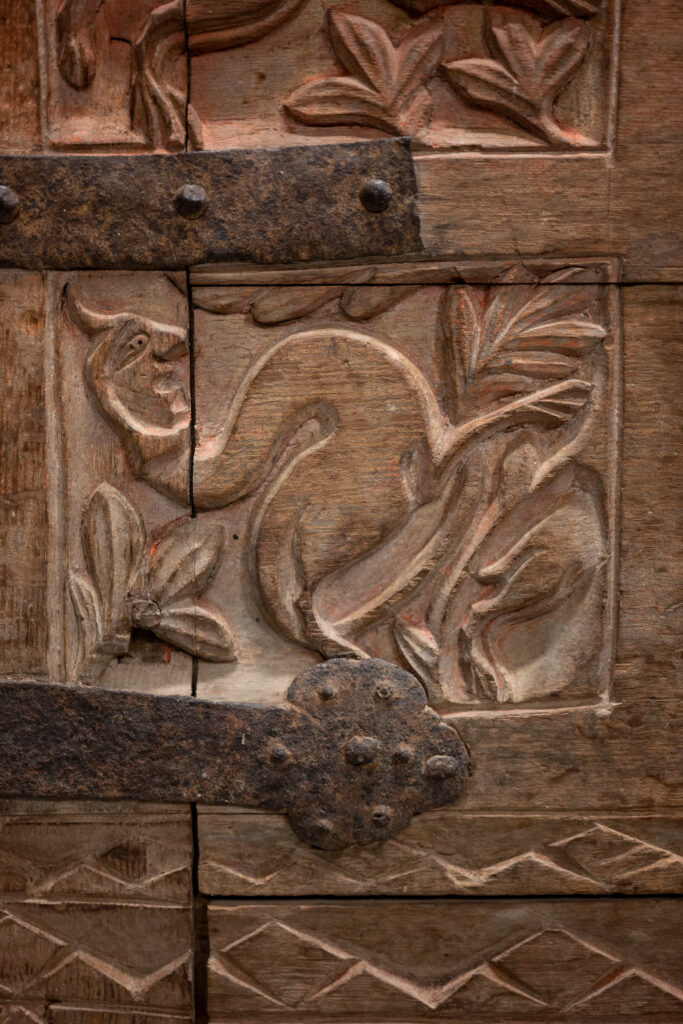
The tour continued up the western coast, visiting Voss, Borgund, Lærdal, Urnes and Stordal..
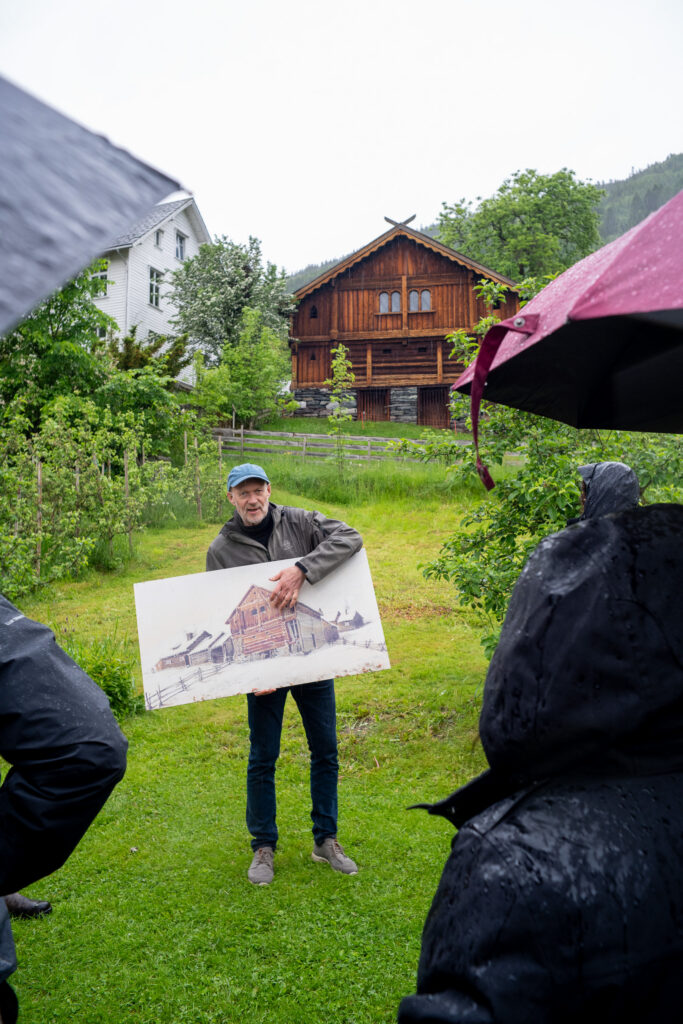
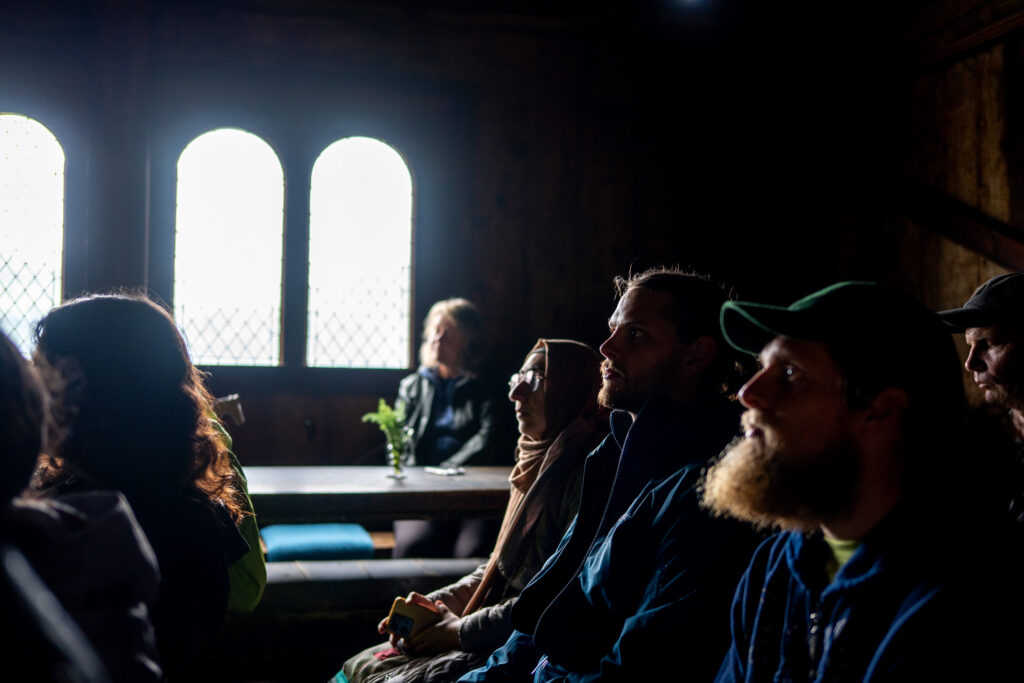
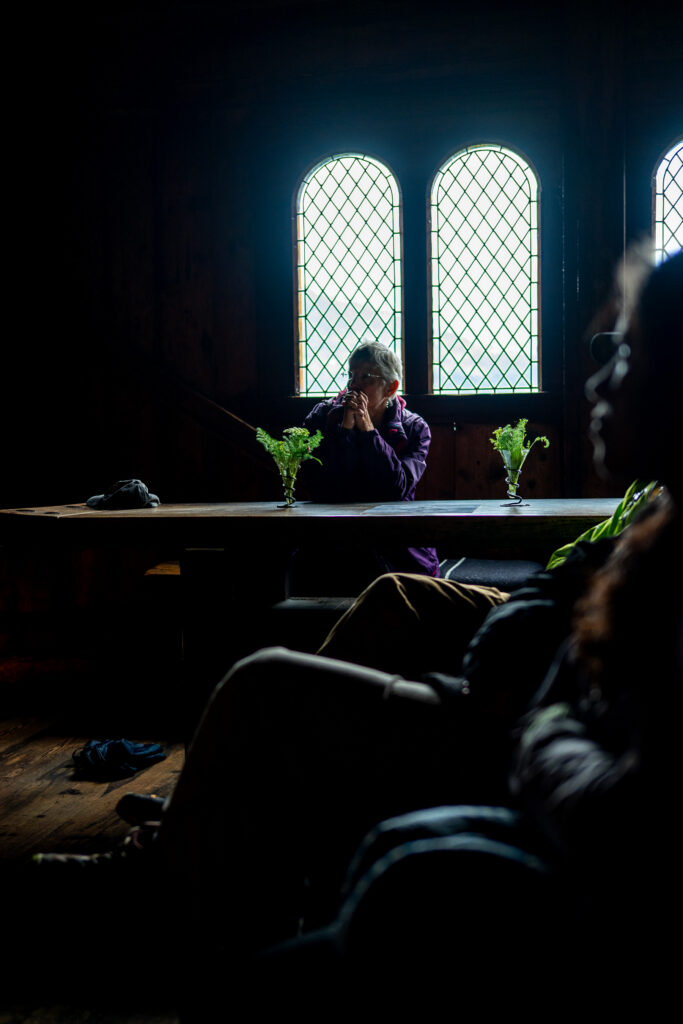
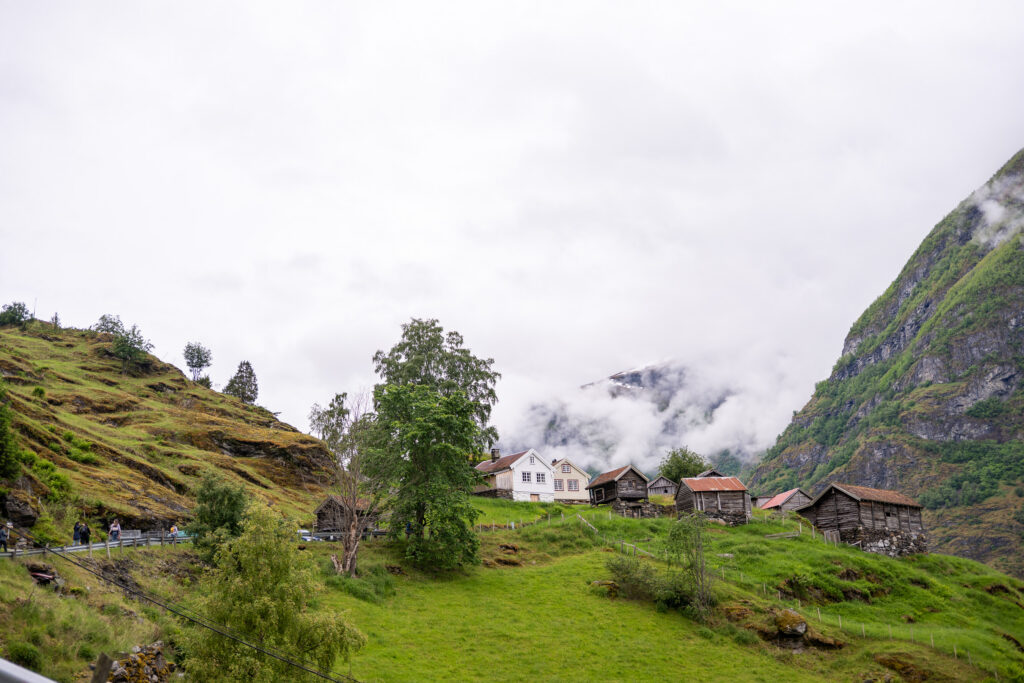
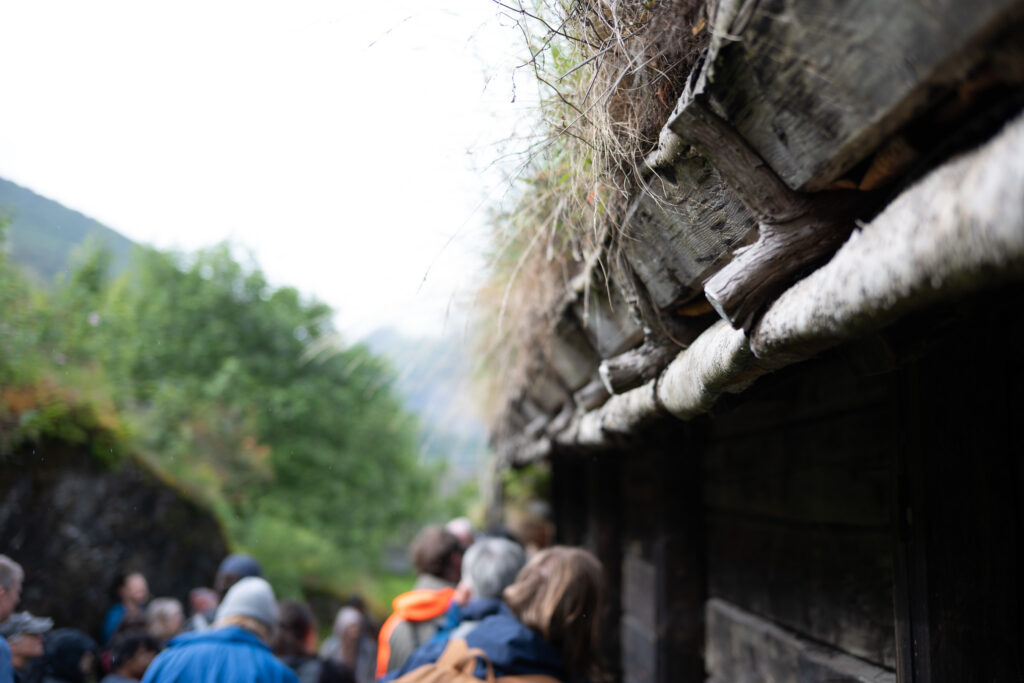
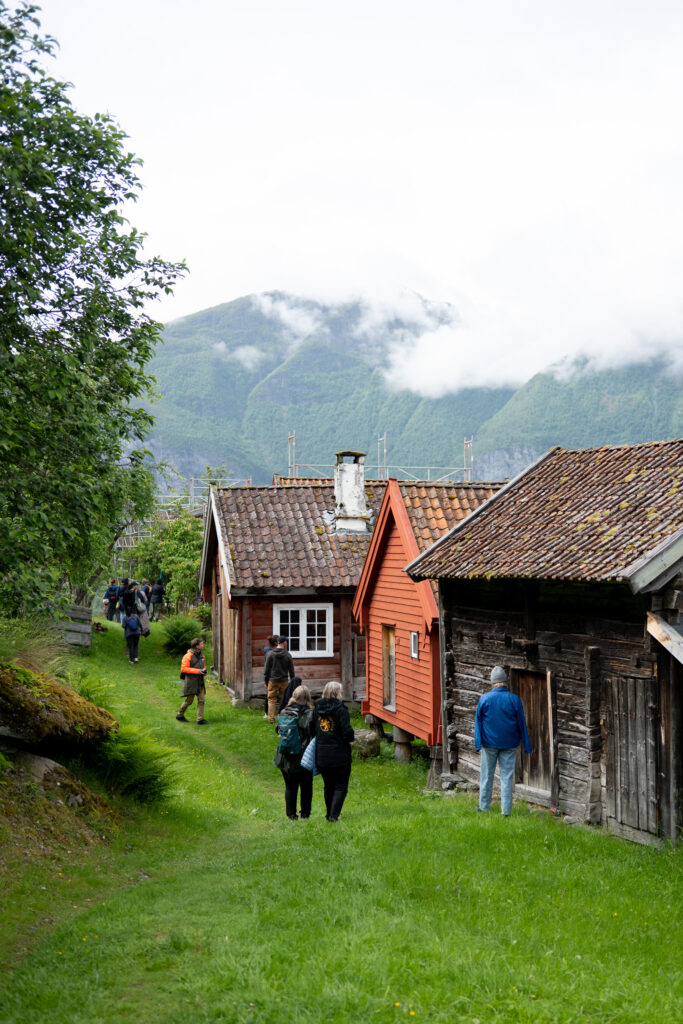
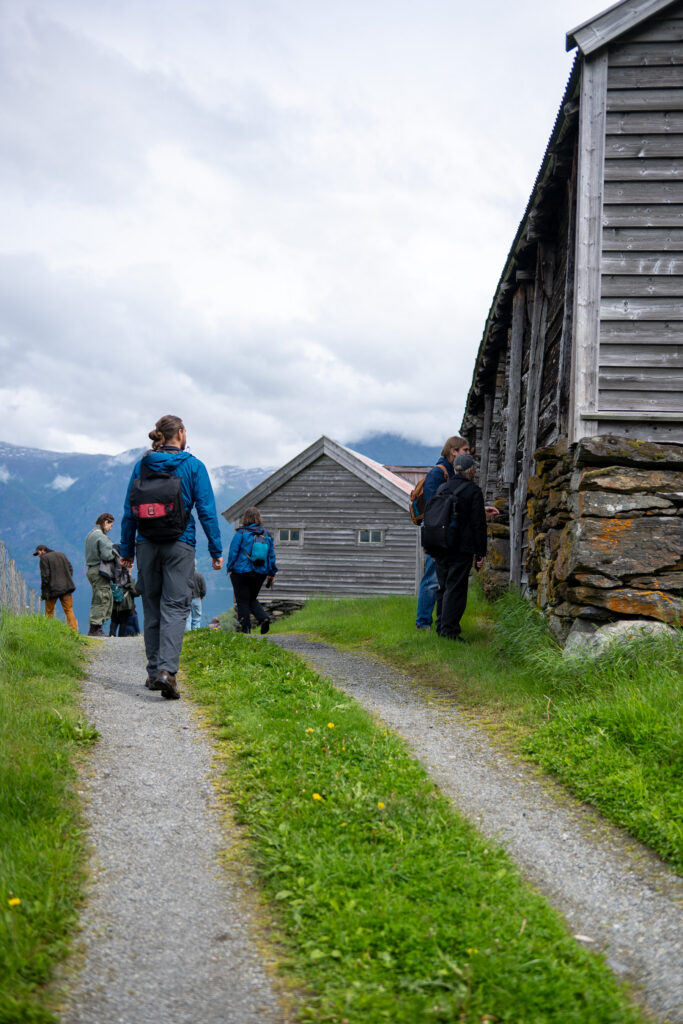
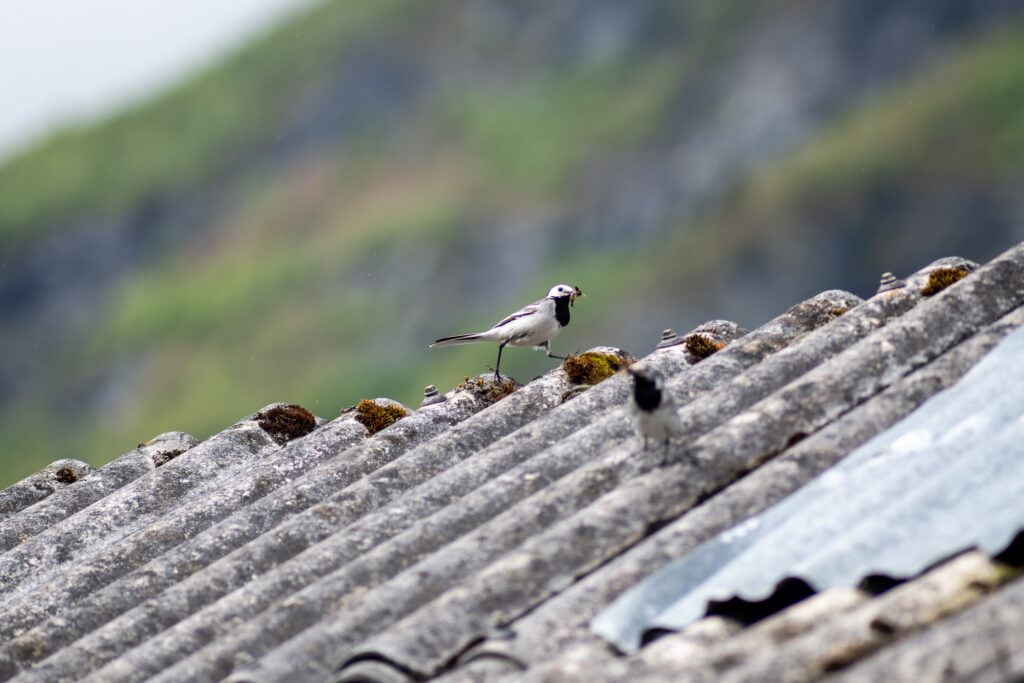
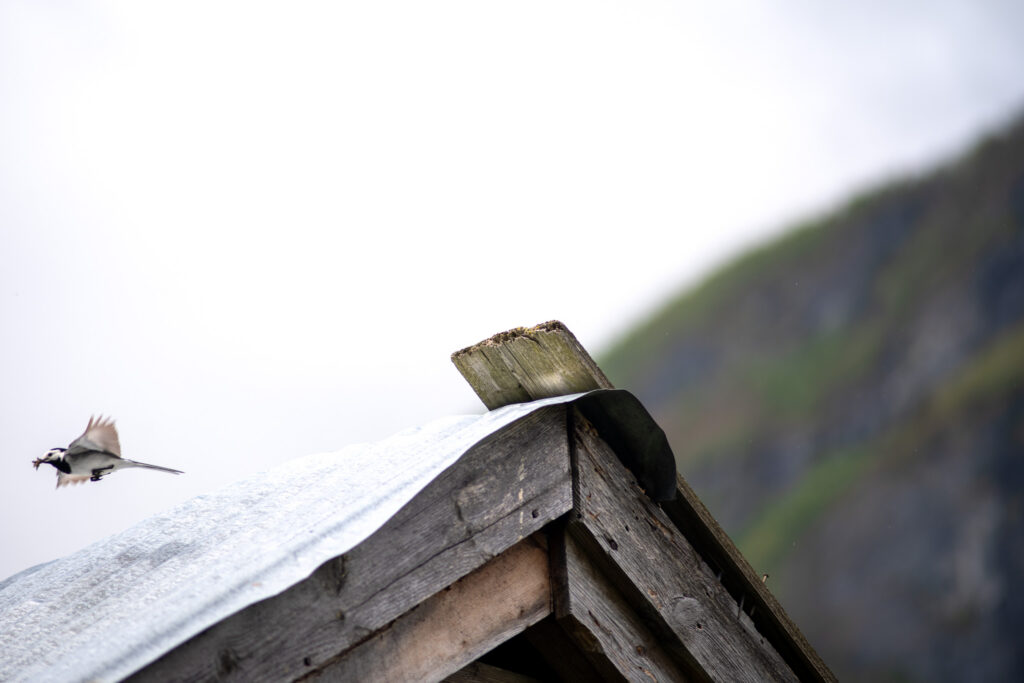
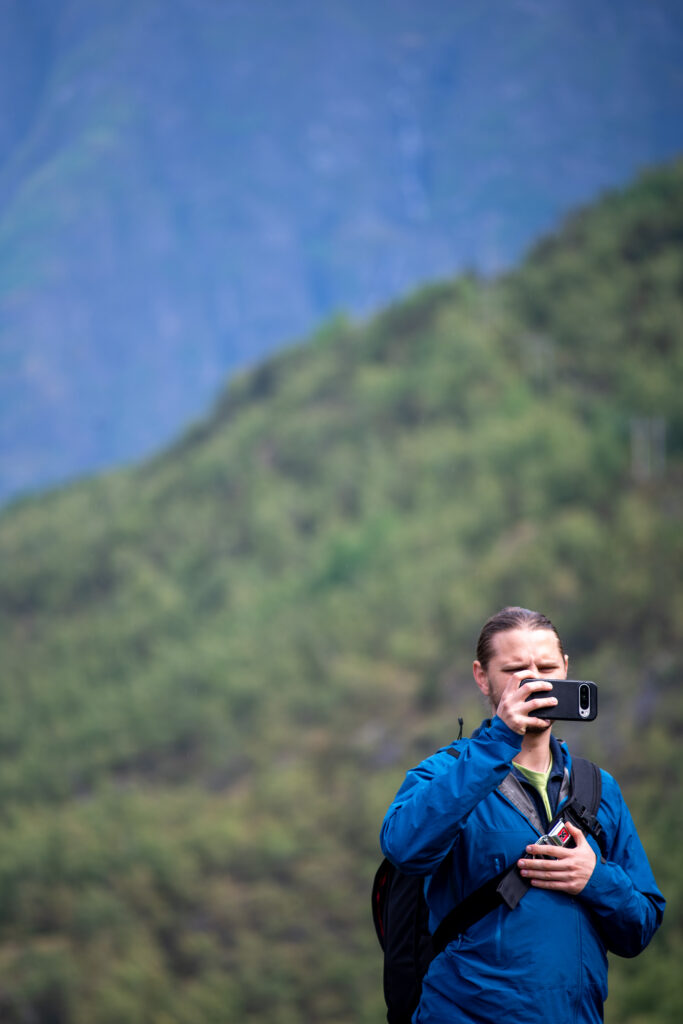
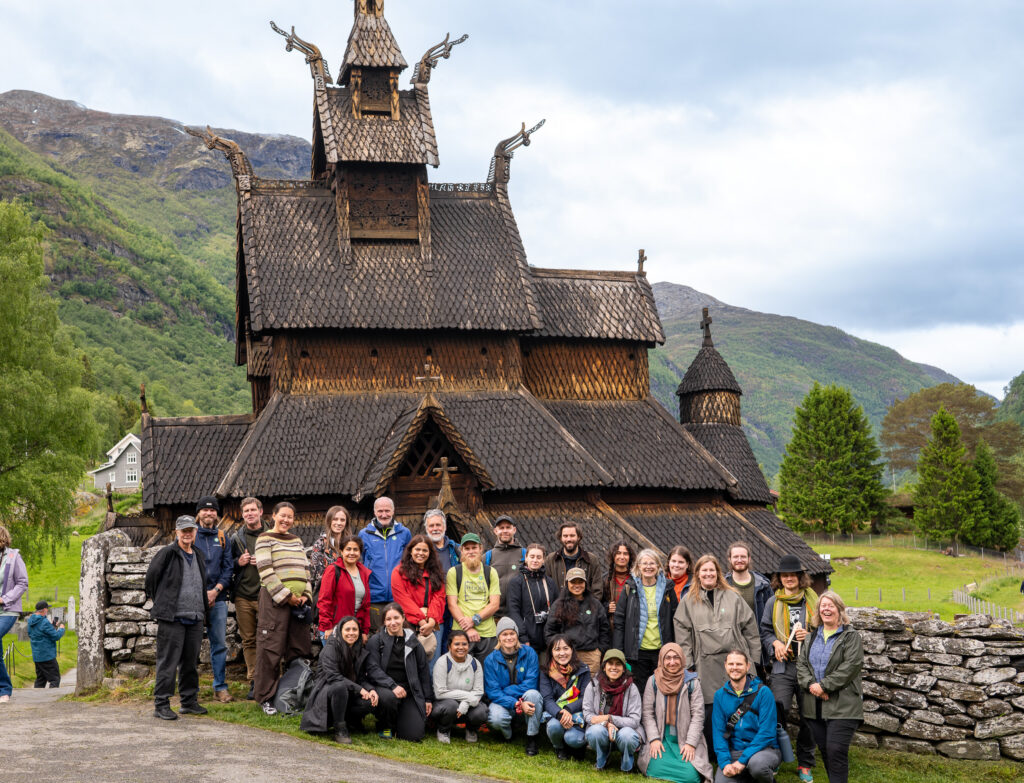
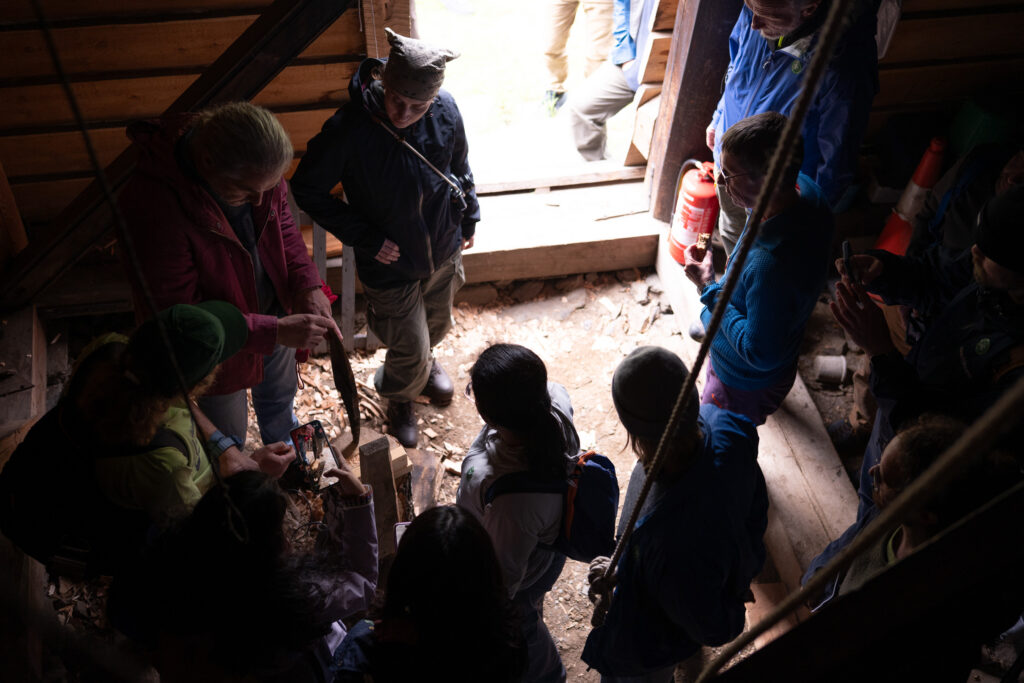
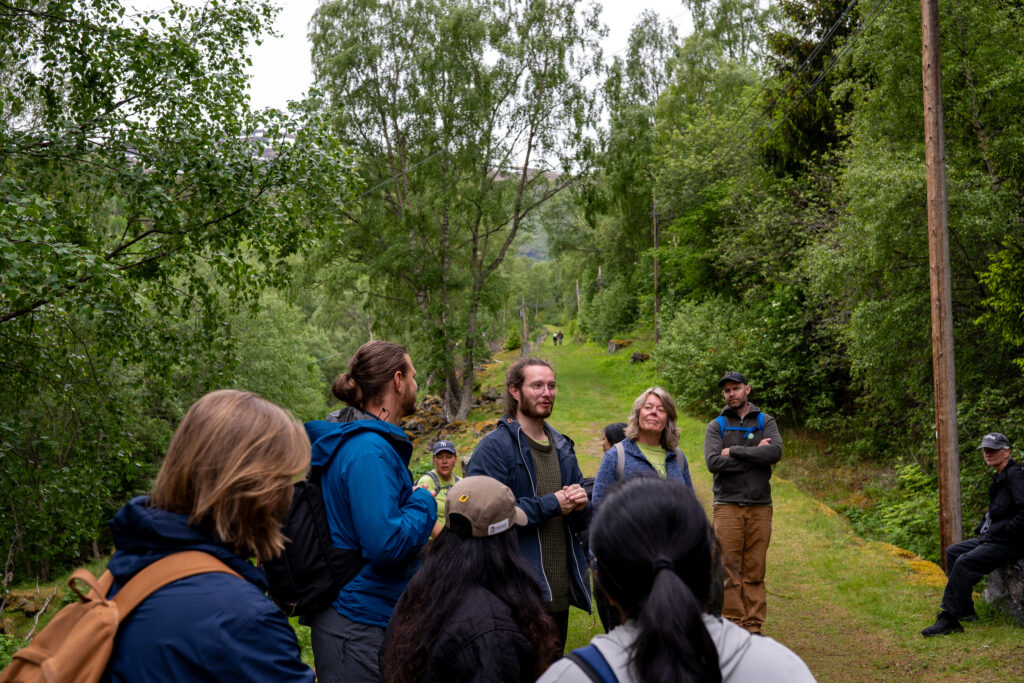
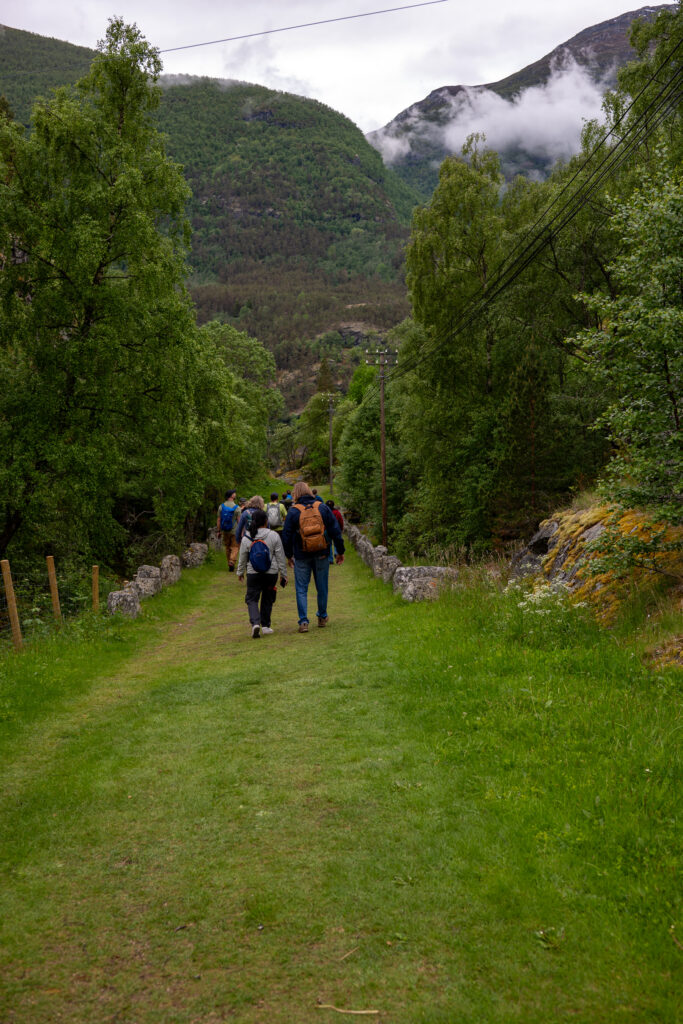
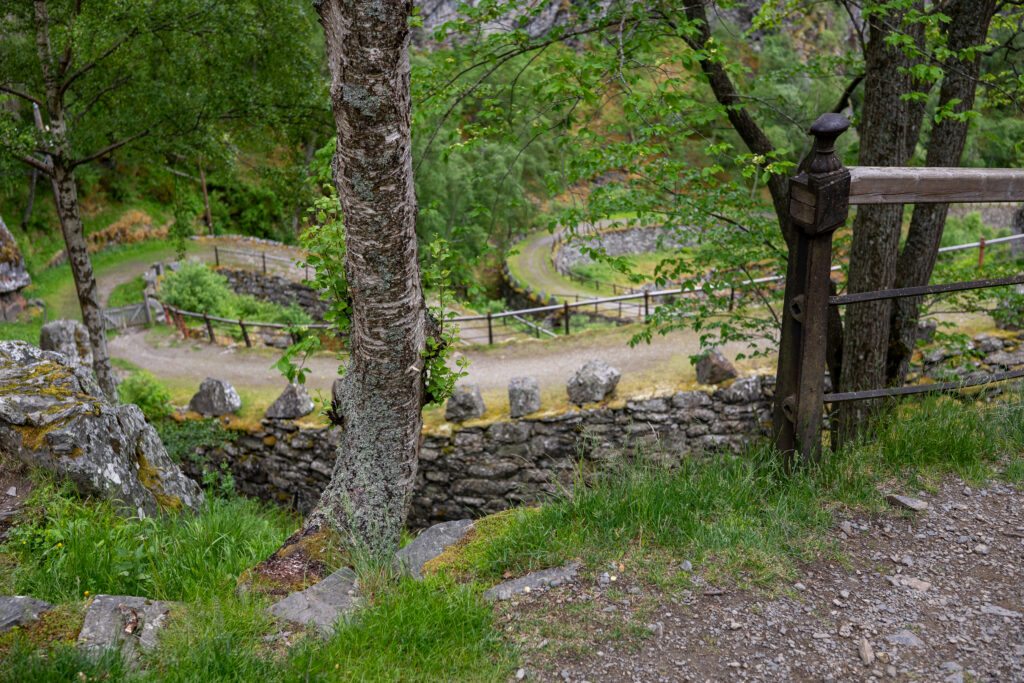
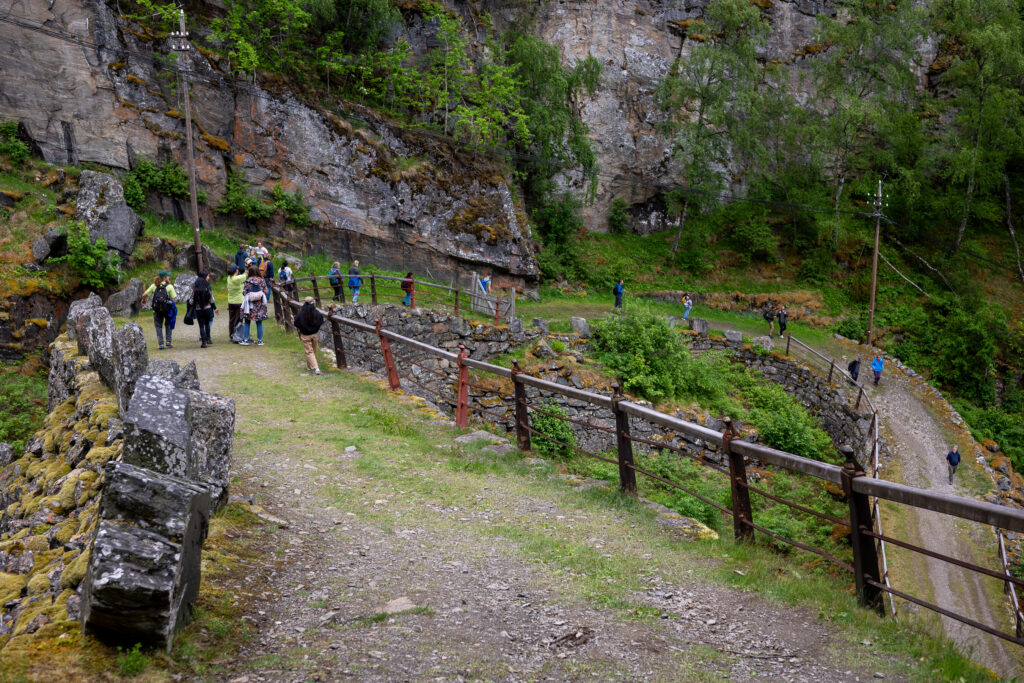
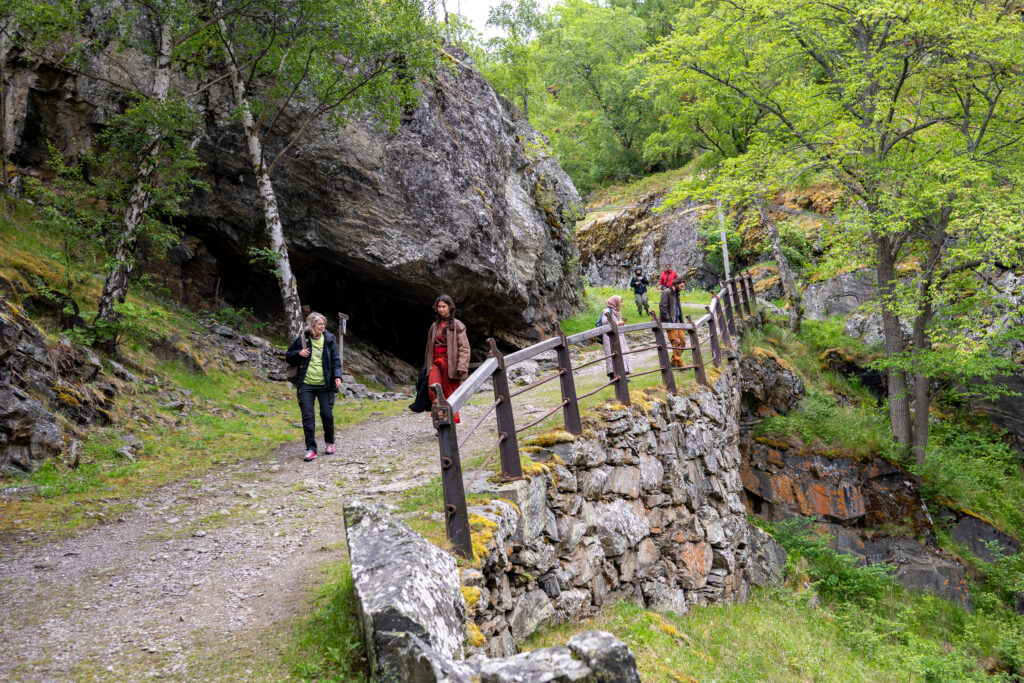
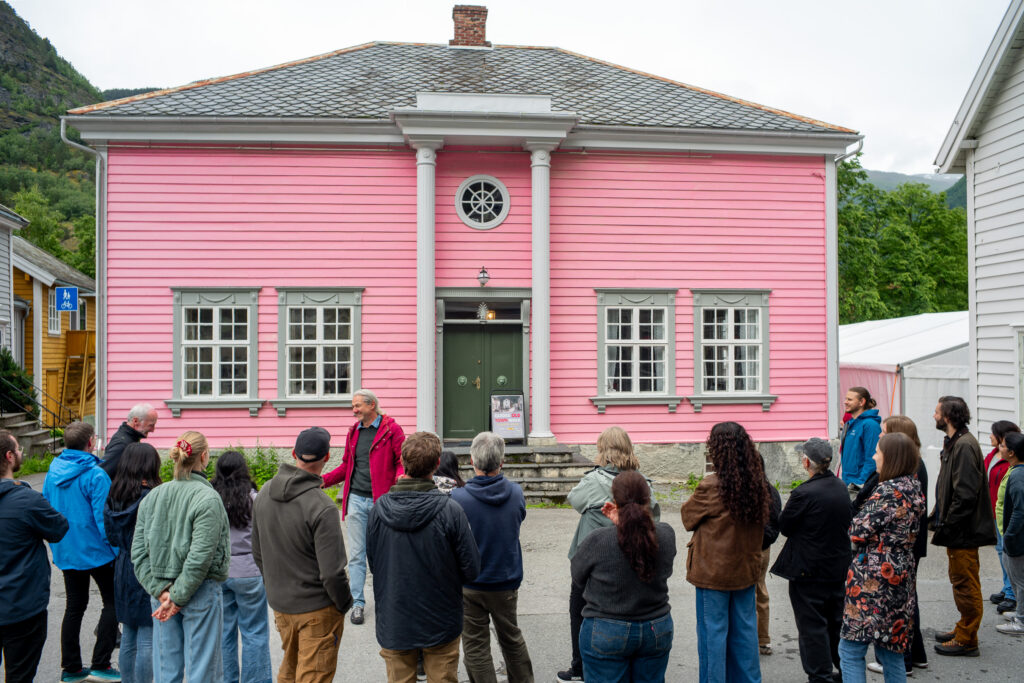
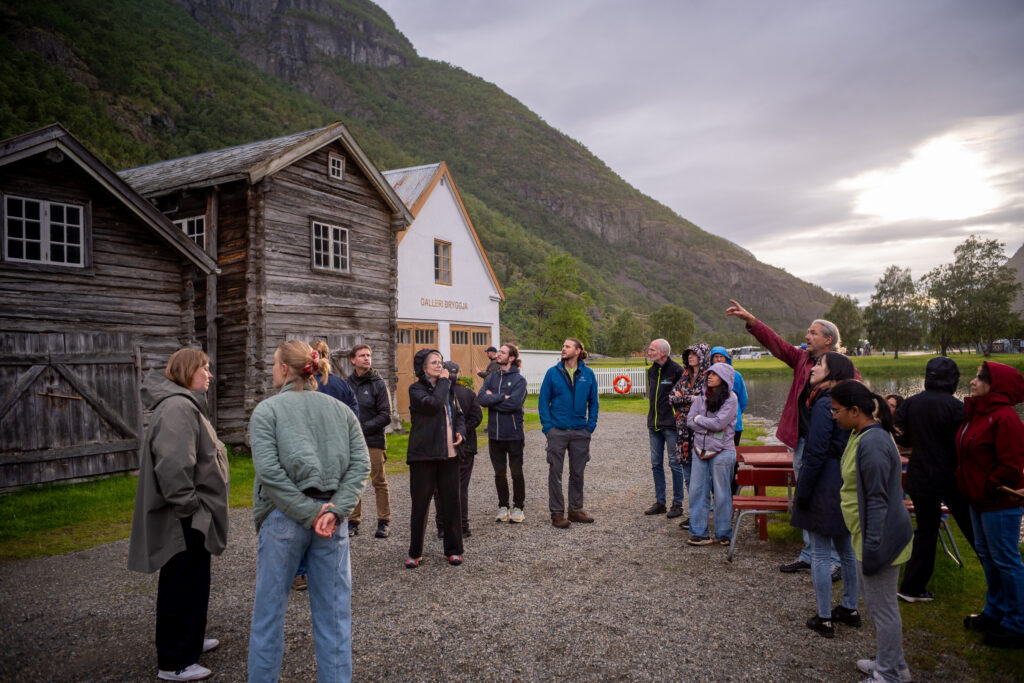
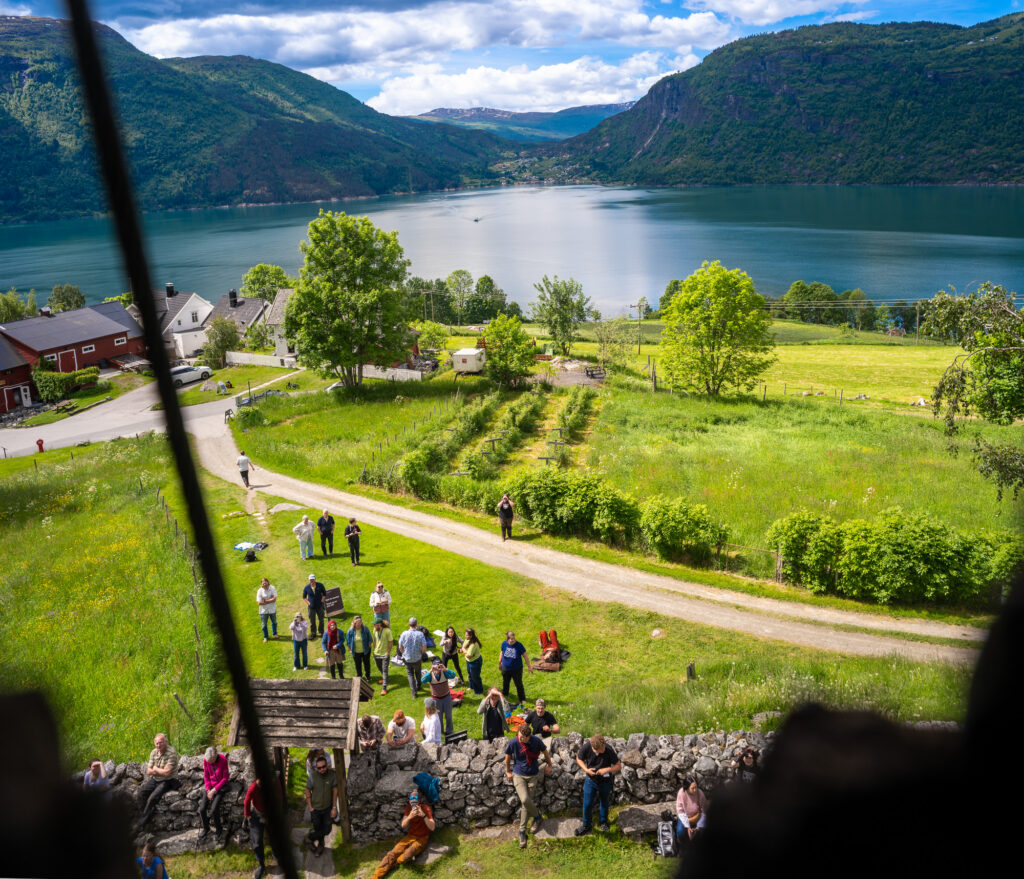
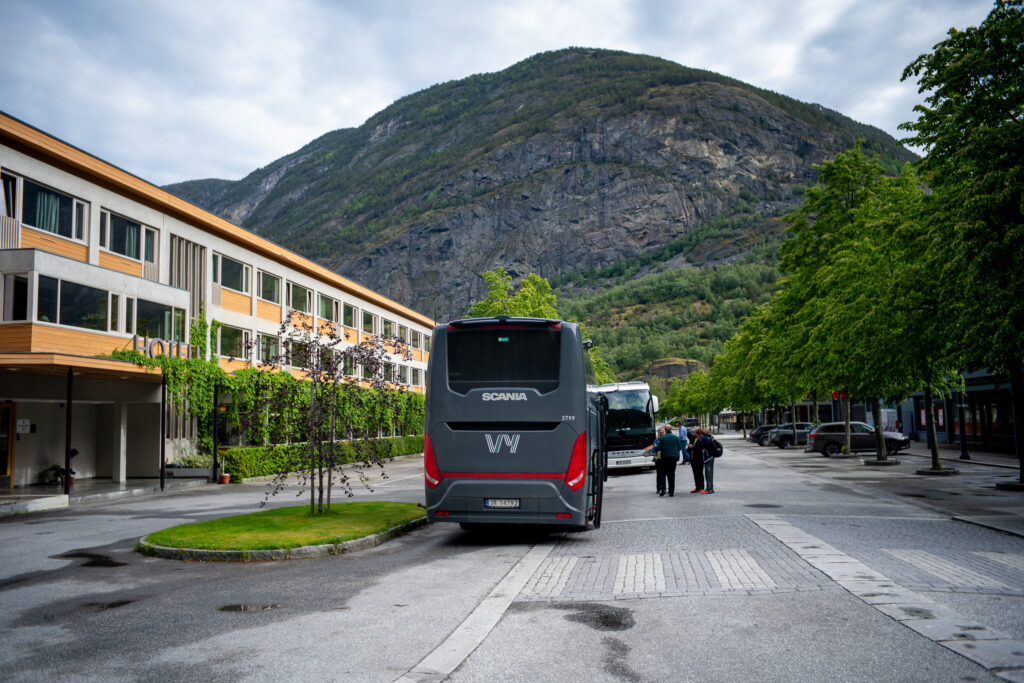
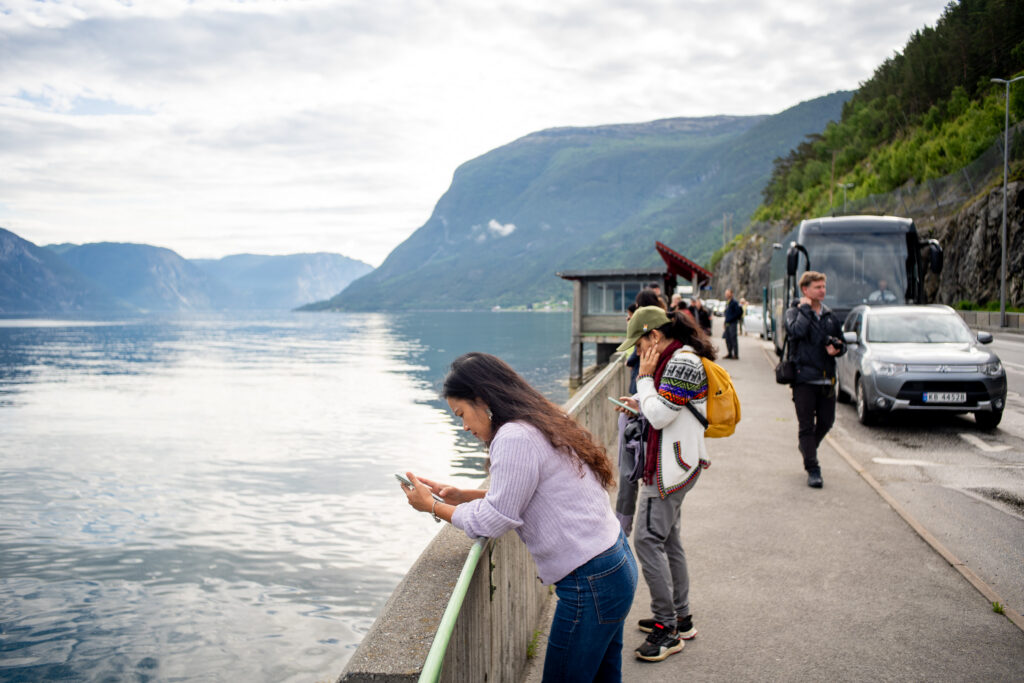
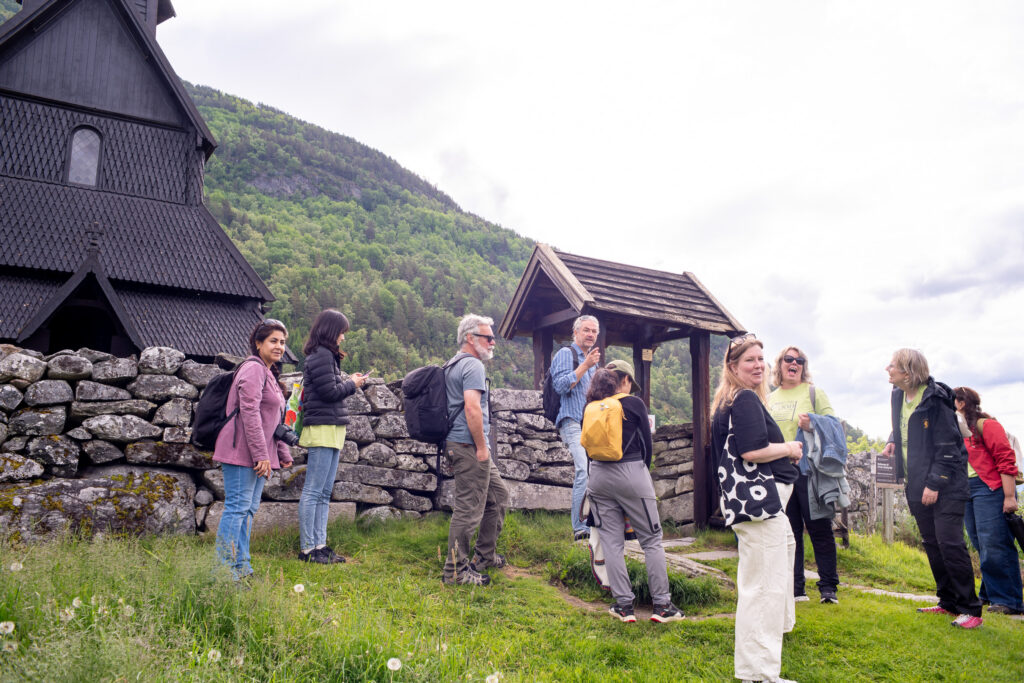
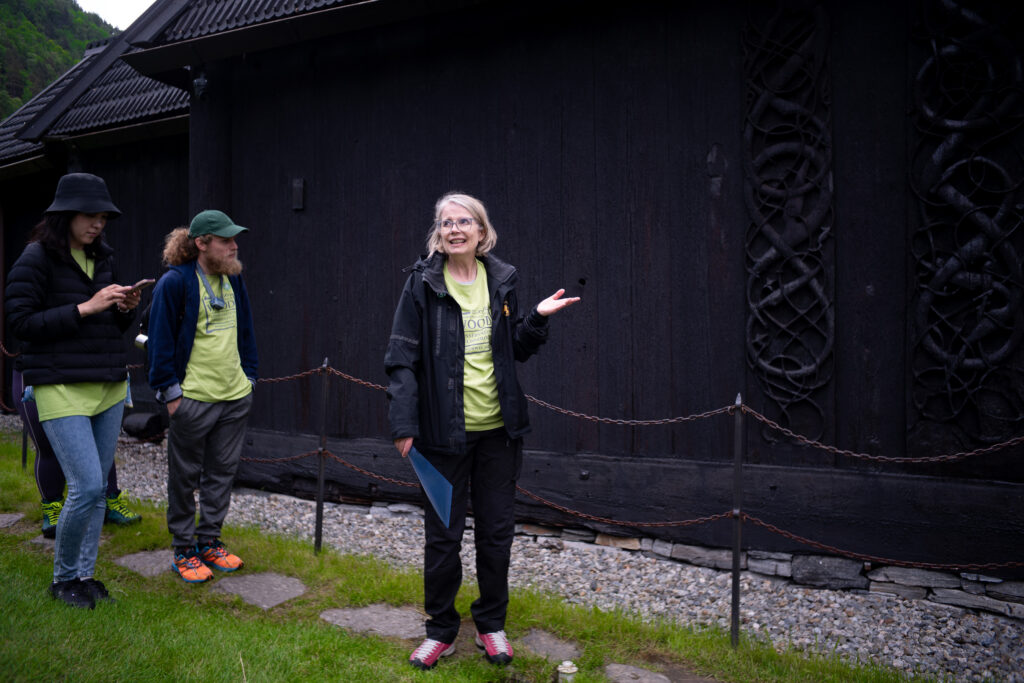
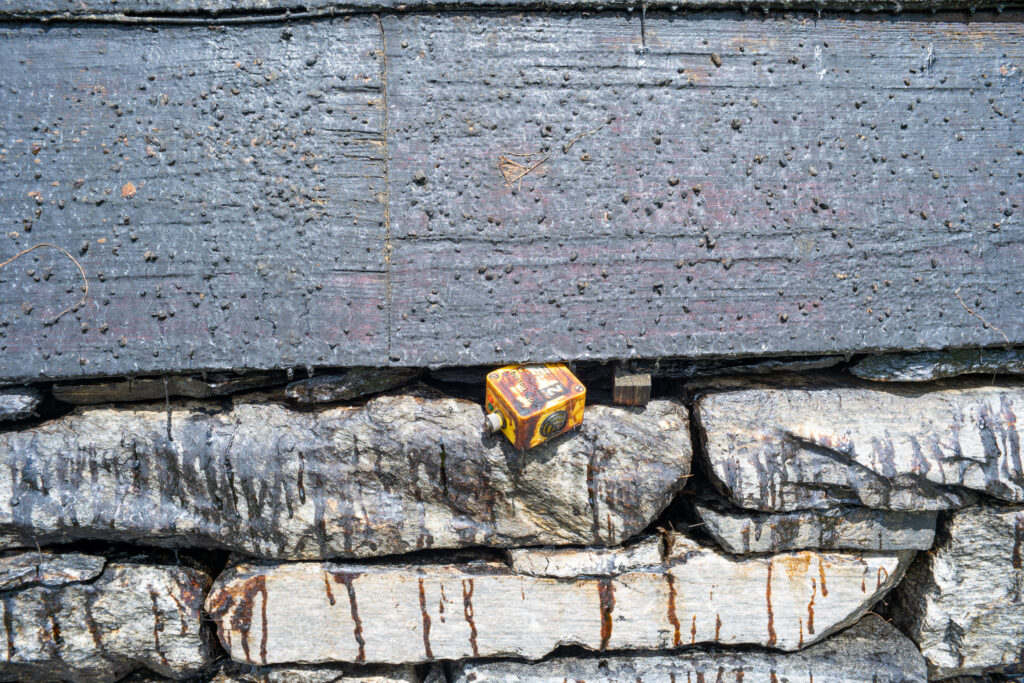
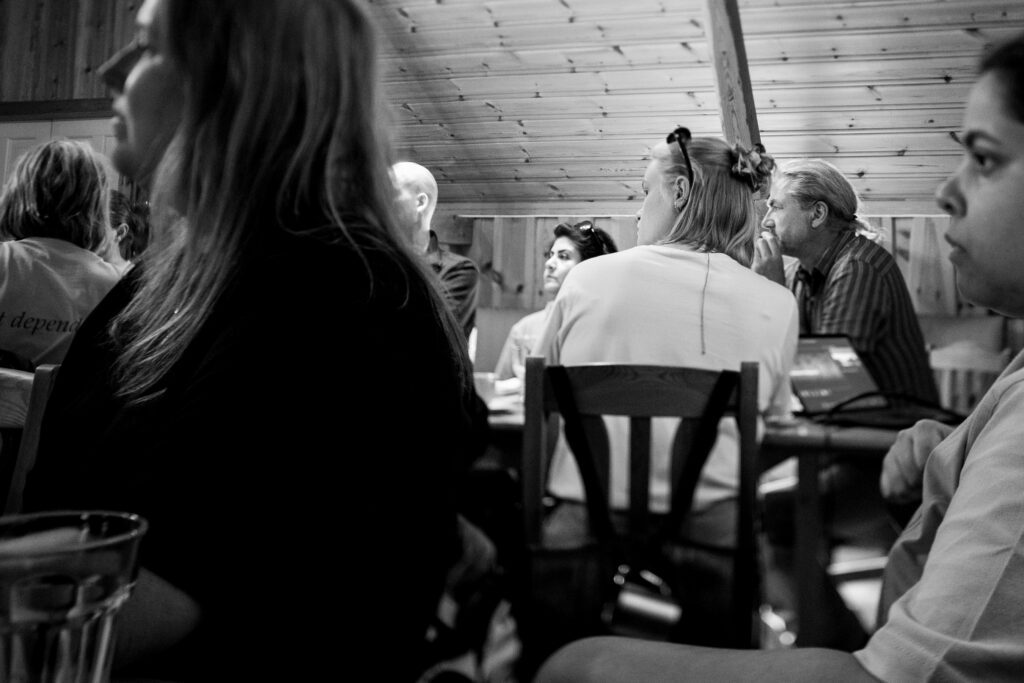
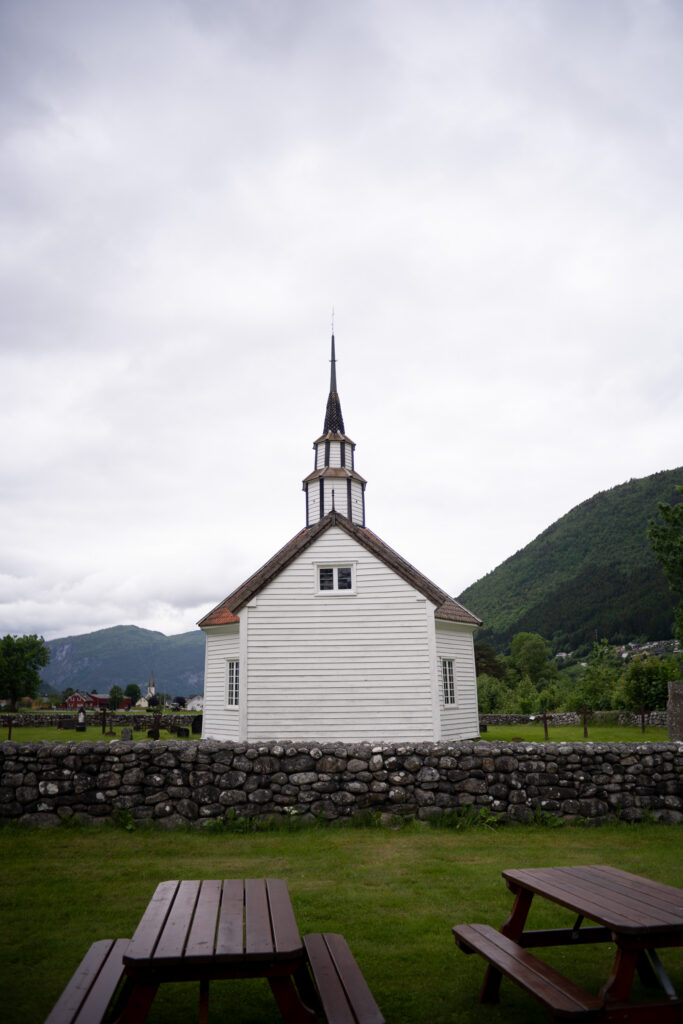
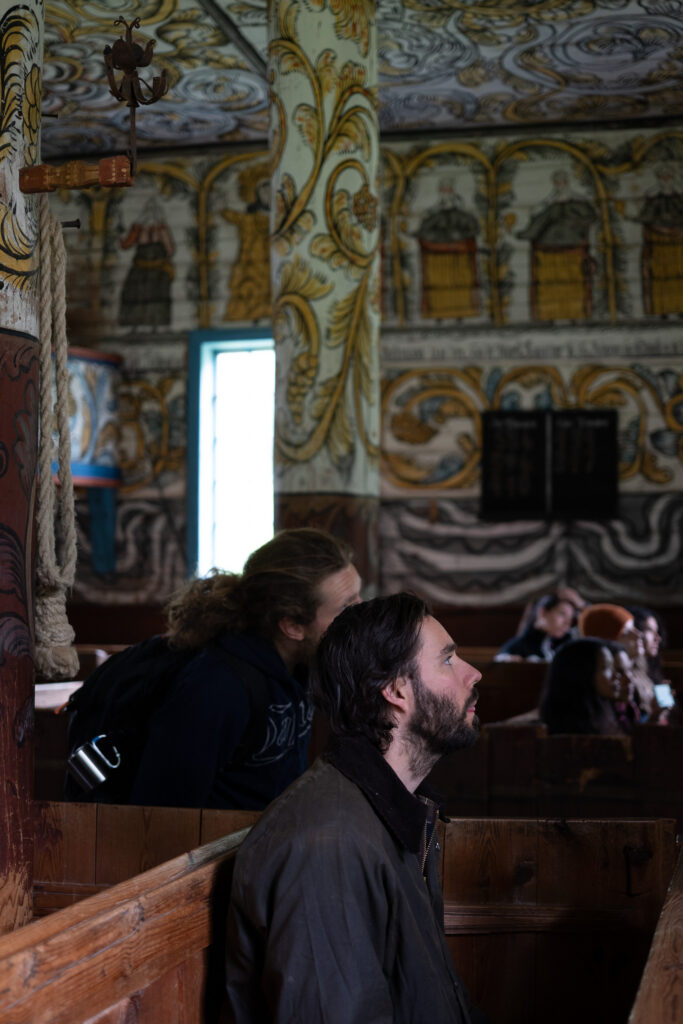
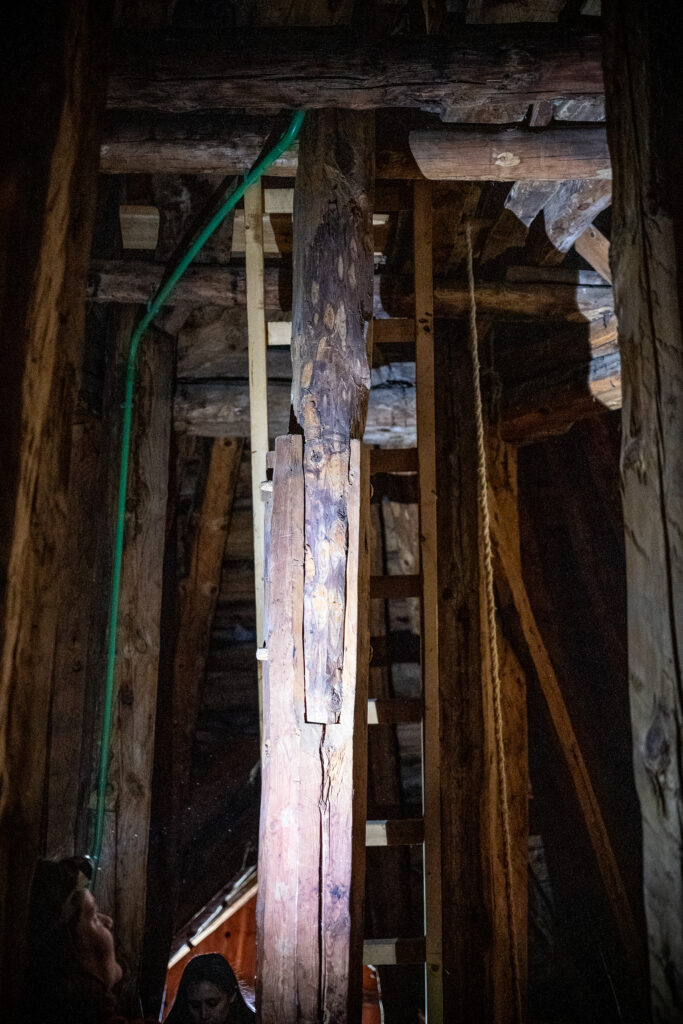
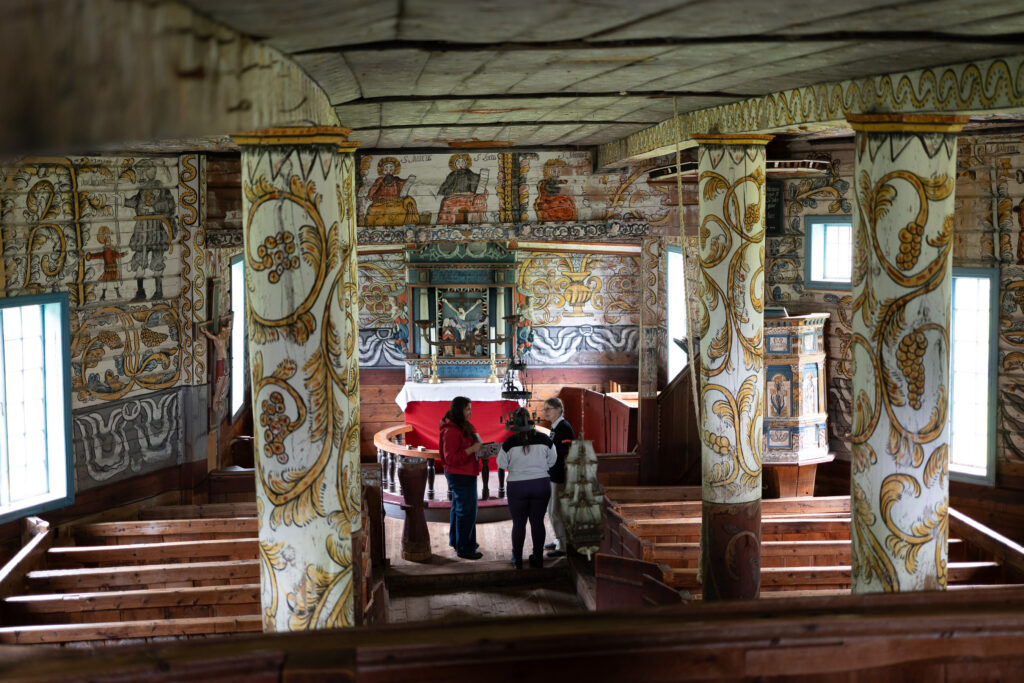
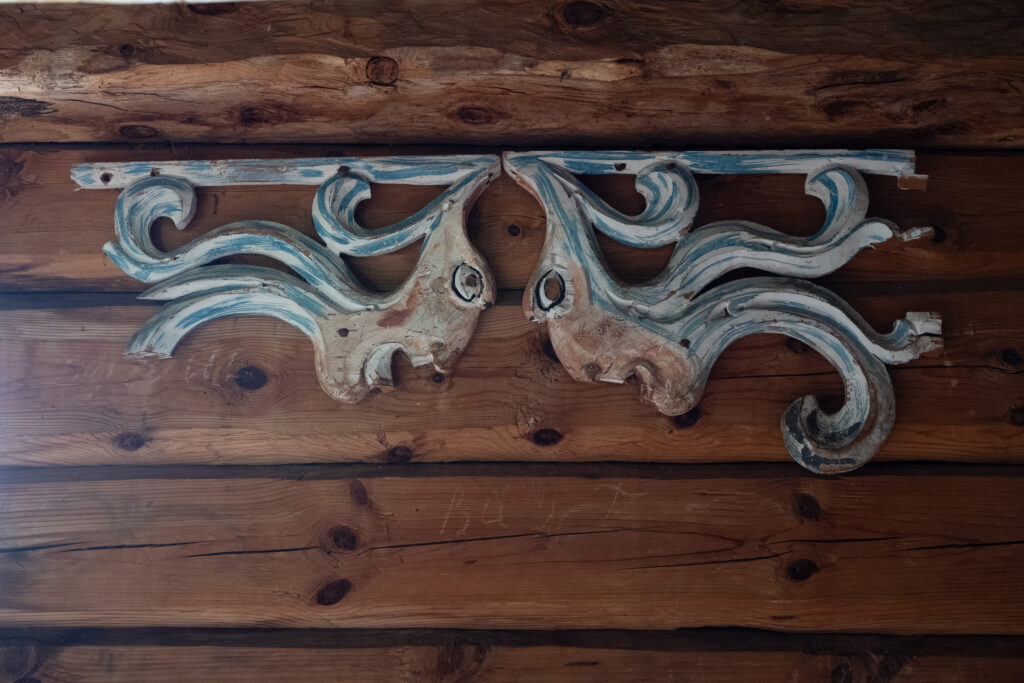
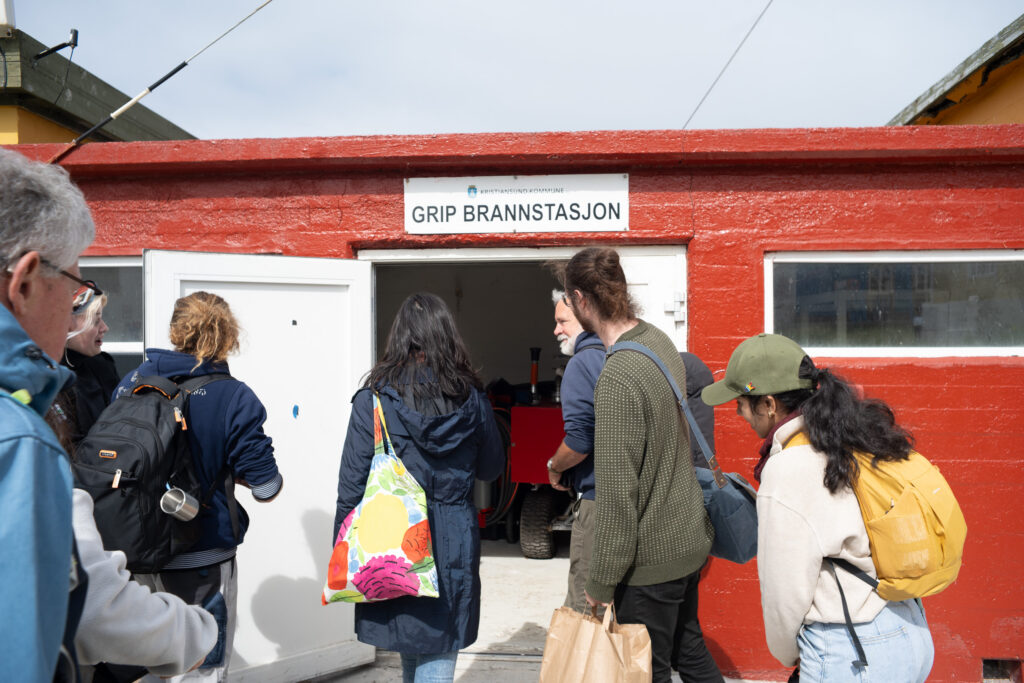
… and then through Kristiansund and Grip.
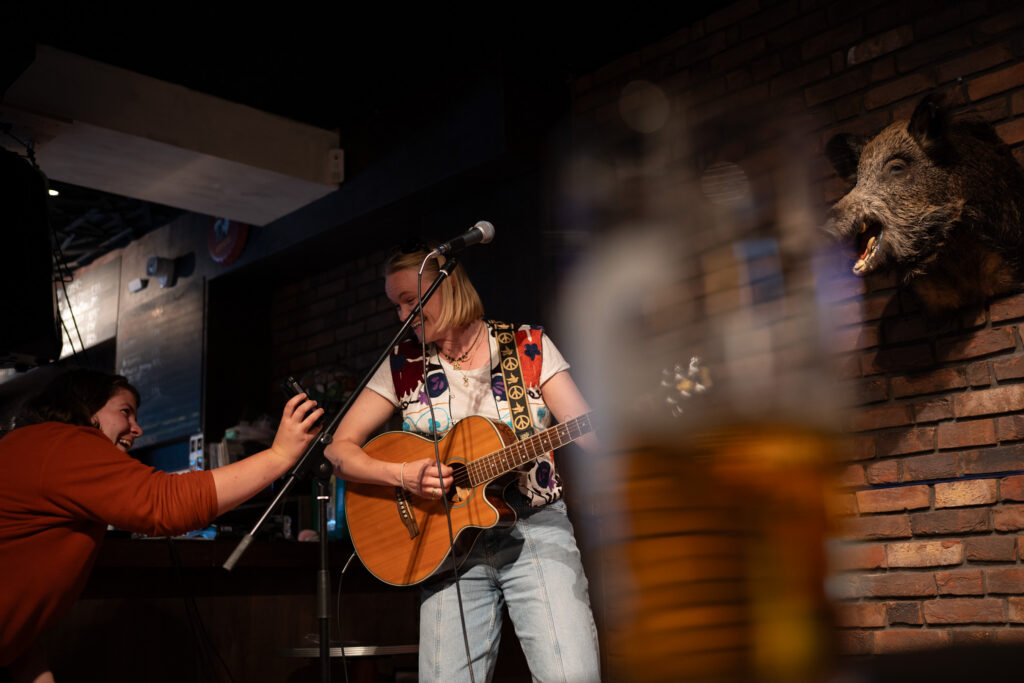
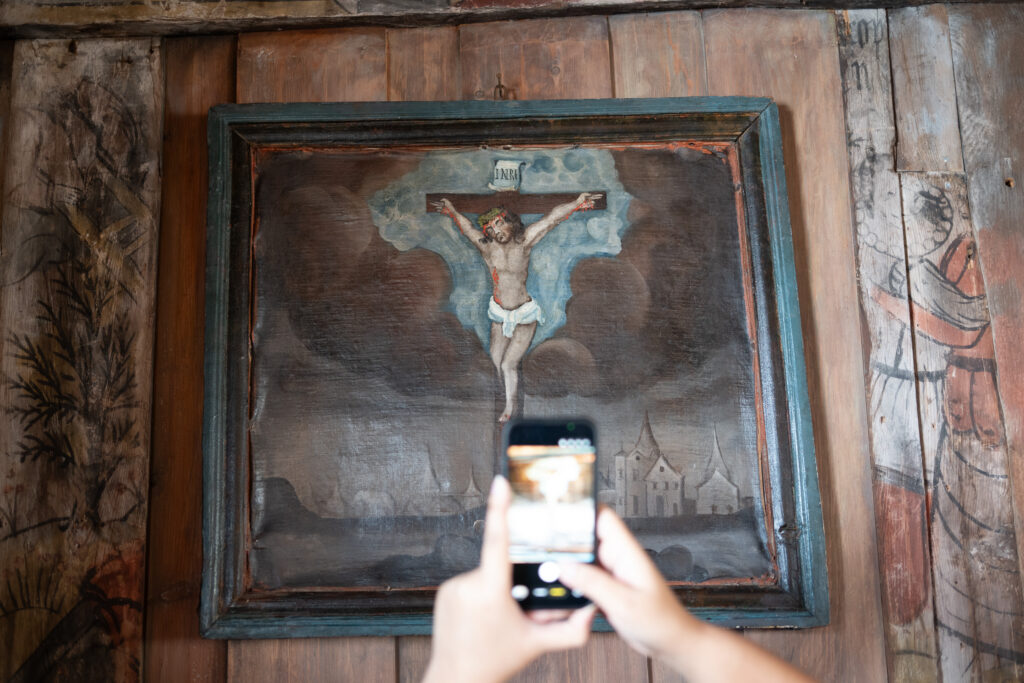
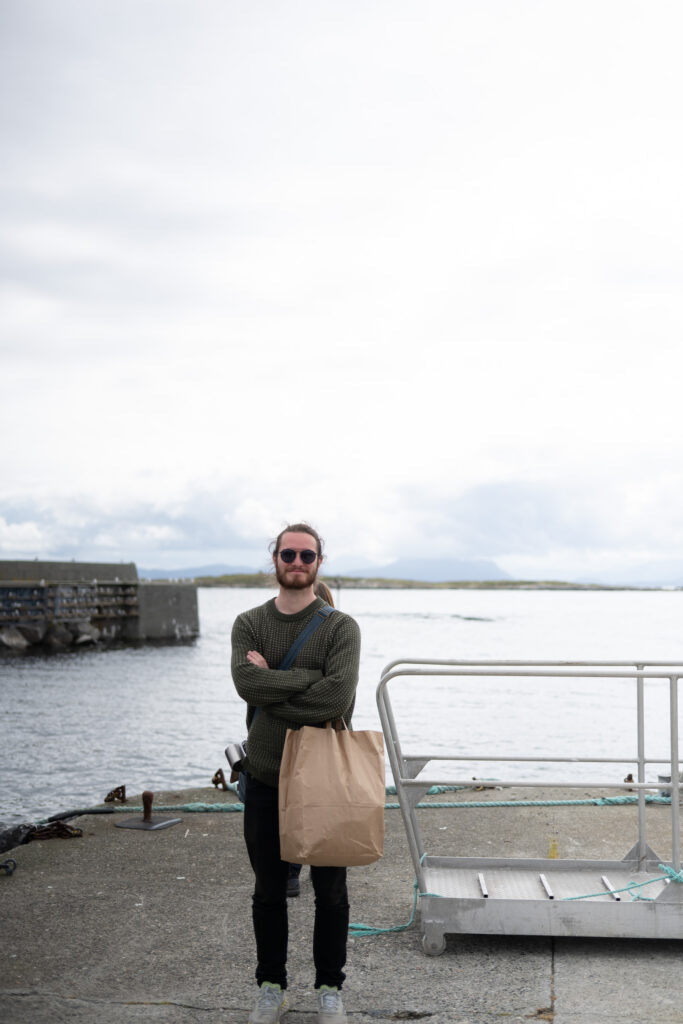
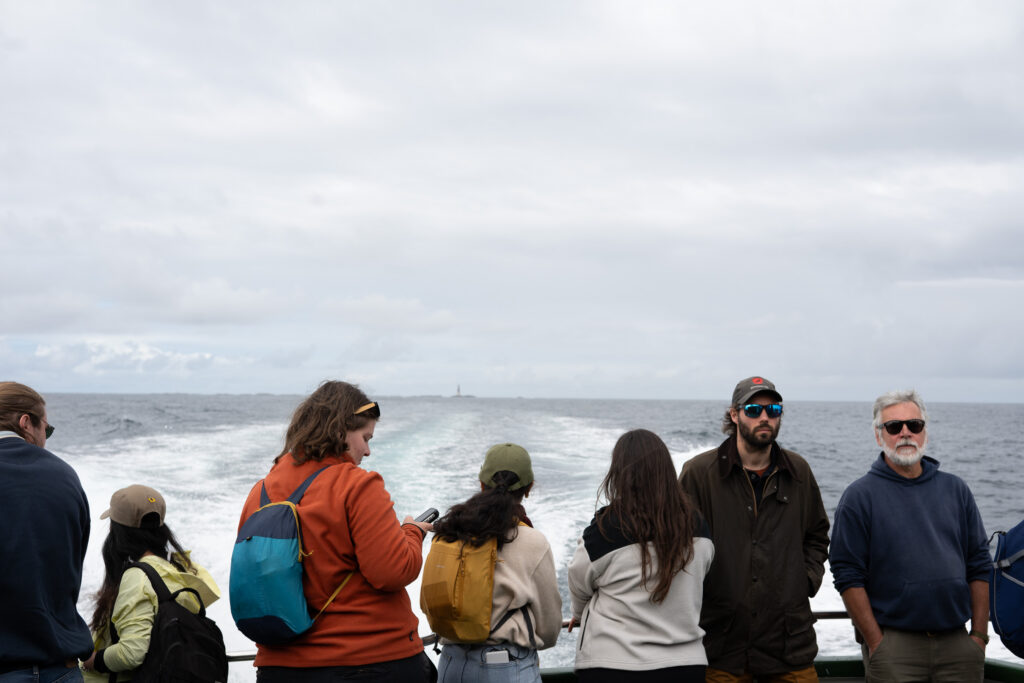
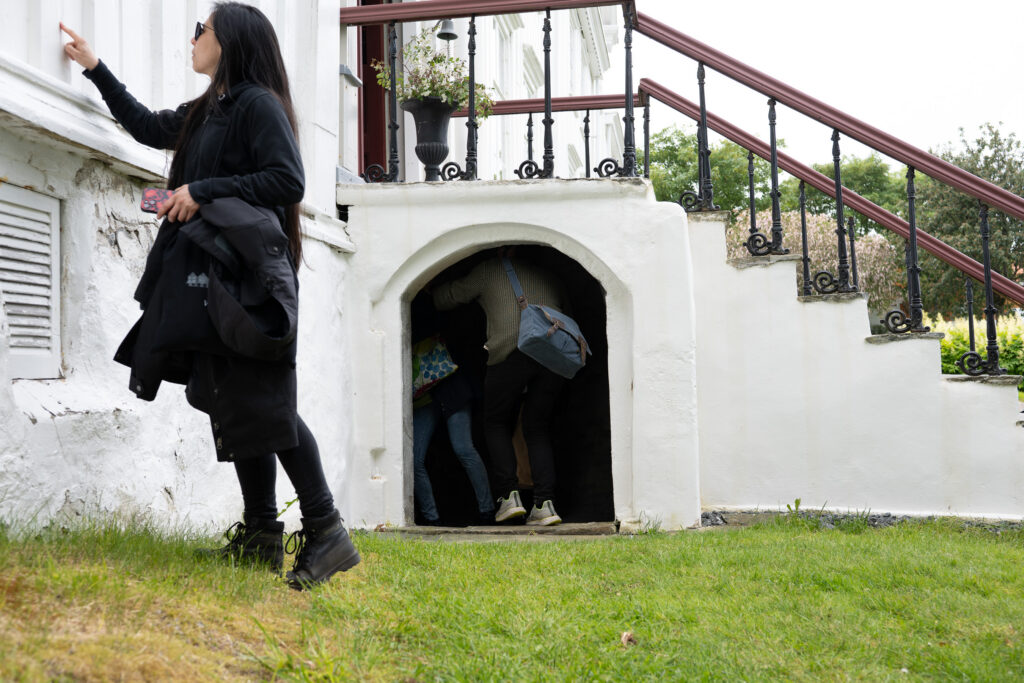
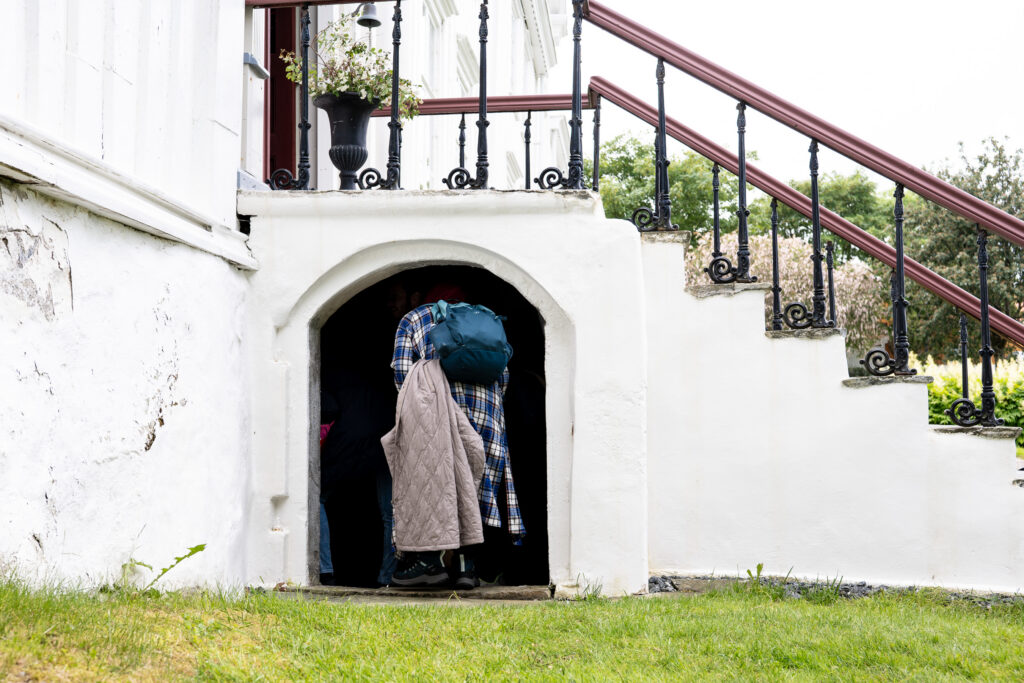
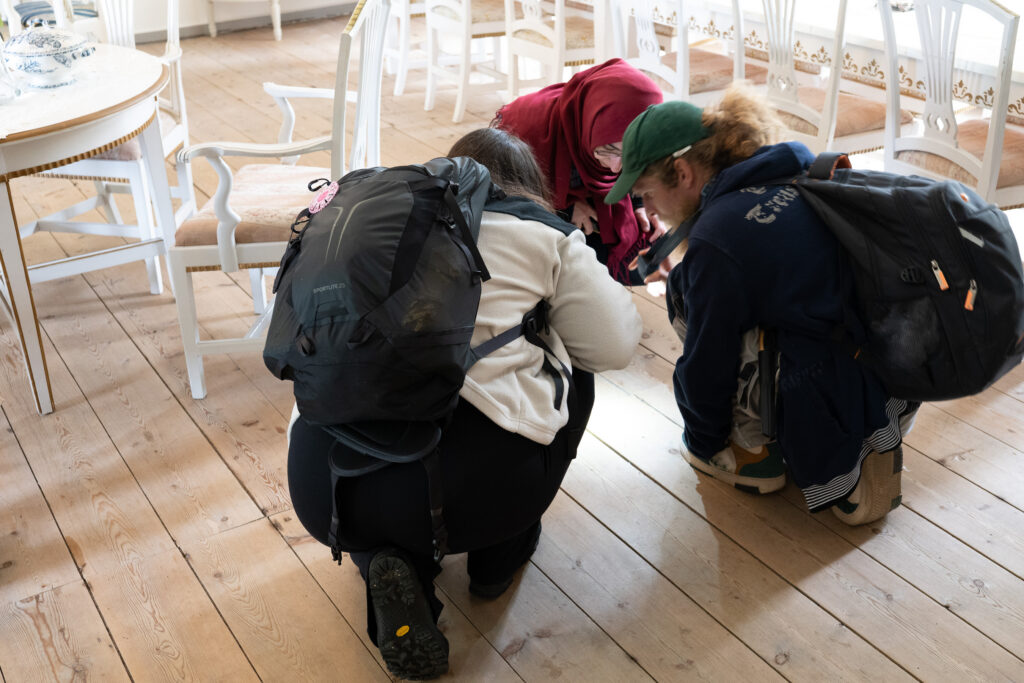
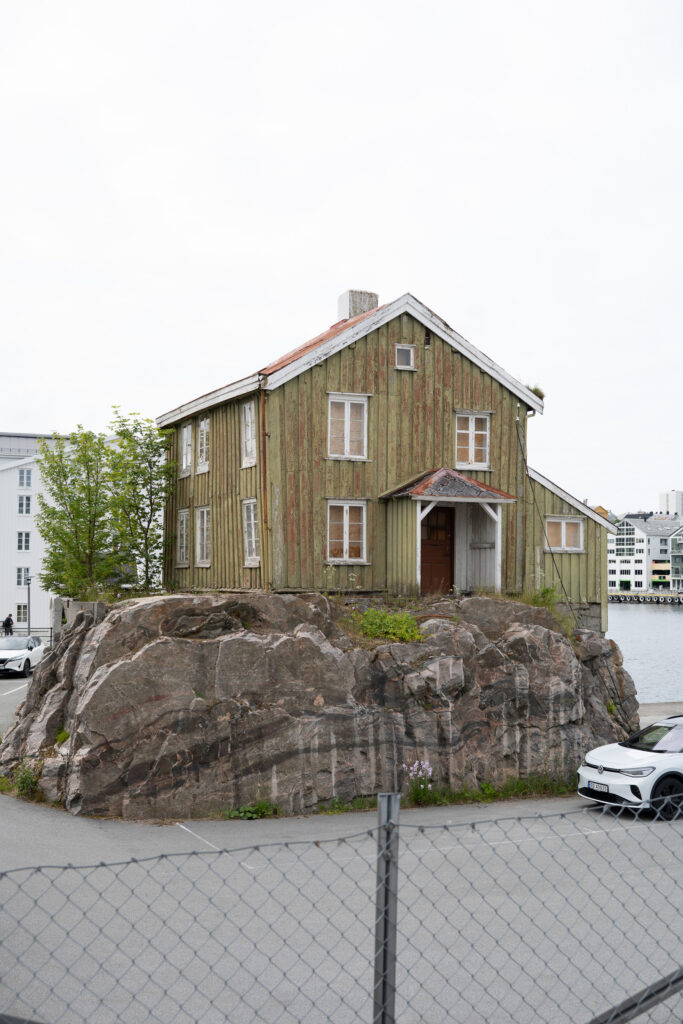
Trondheim was the longest stop during the trip, where we got to see Helene Svarva/NTNU’s Dating lab, the ‘Bygghytte’/Cathedral workshop for Nidaros, NTNU’s heritage building crafts workshop and more, before Tor-Aage Kaminka Heiberg from NTNU led us on a lovely forest hike on our way to Røros.
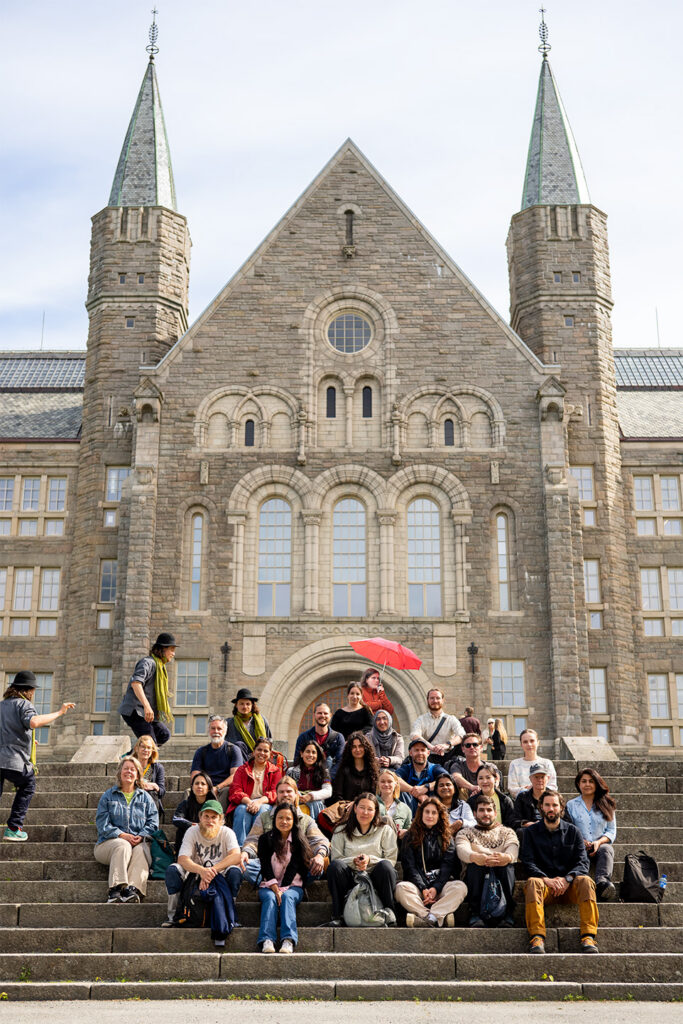
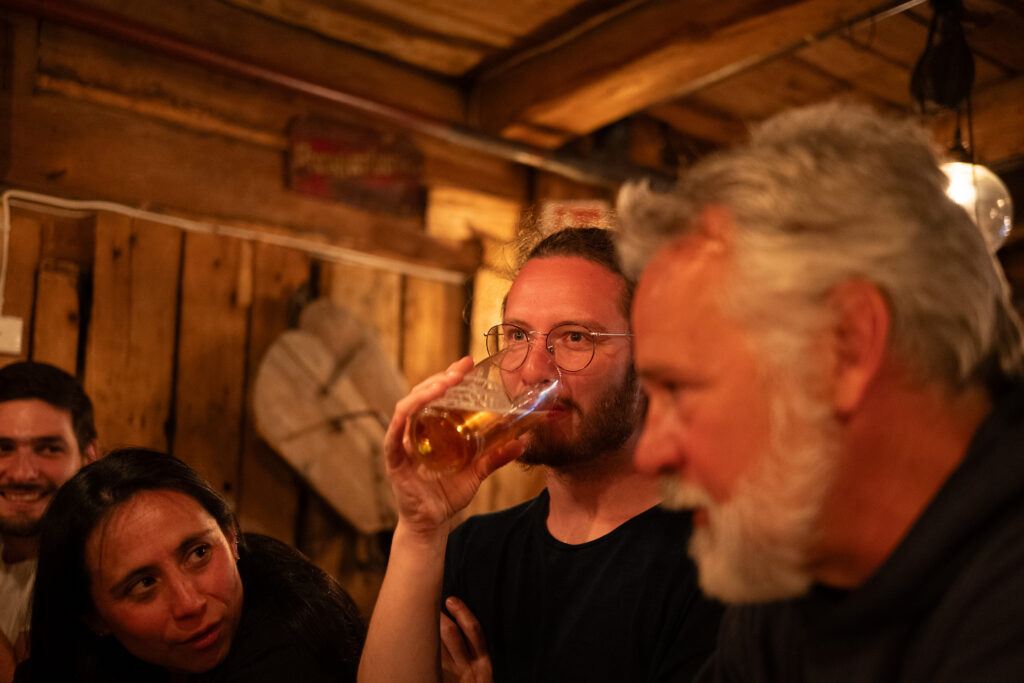
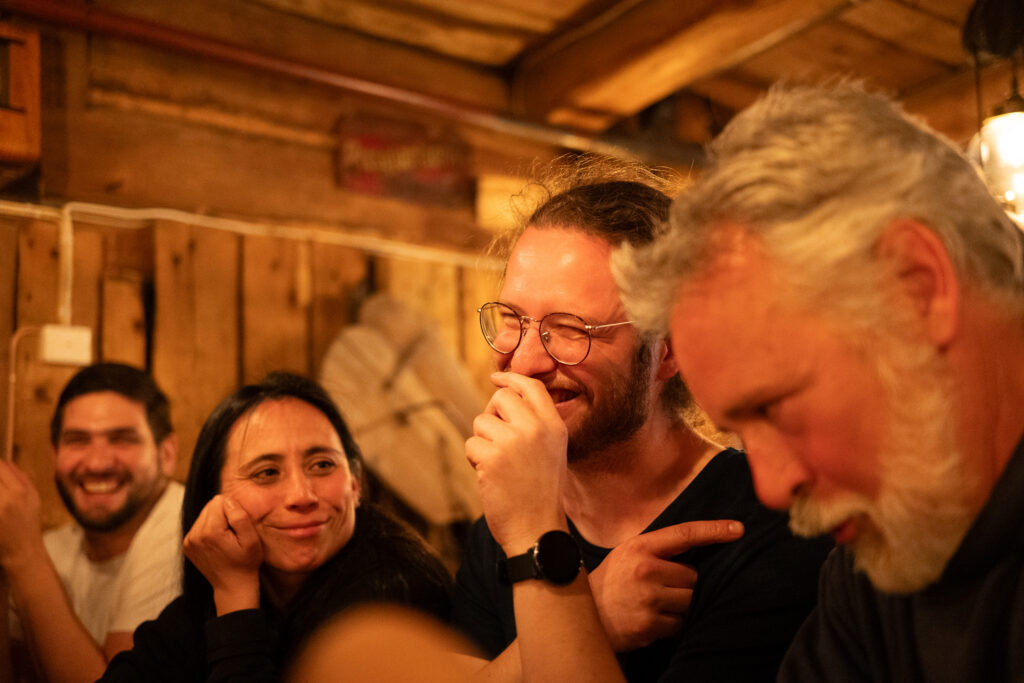
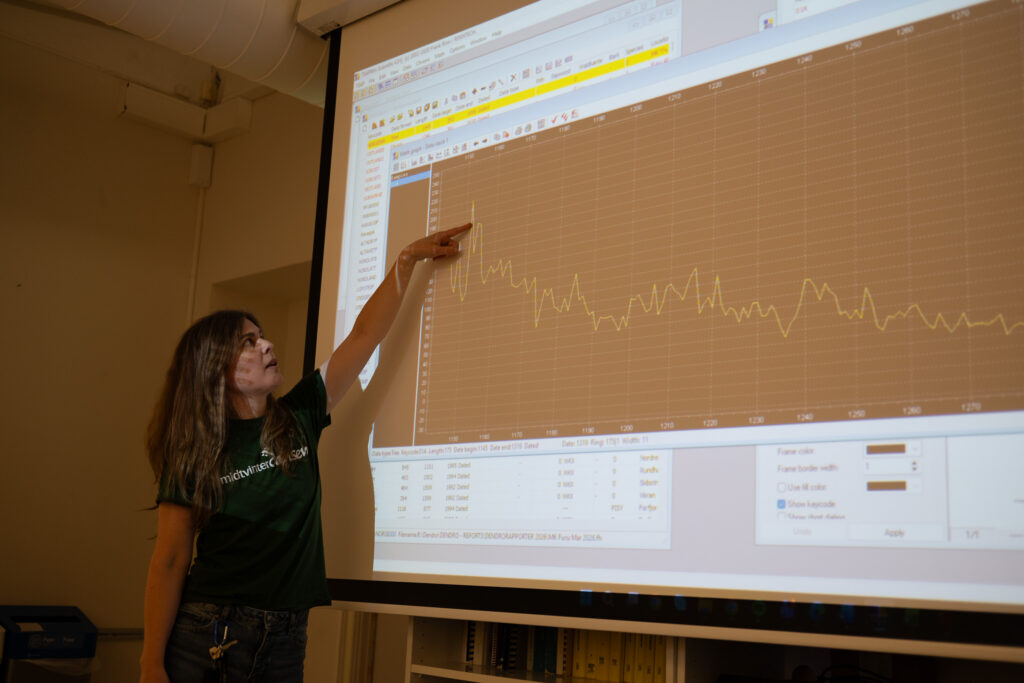
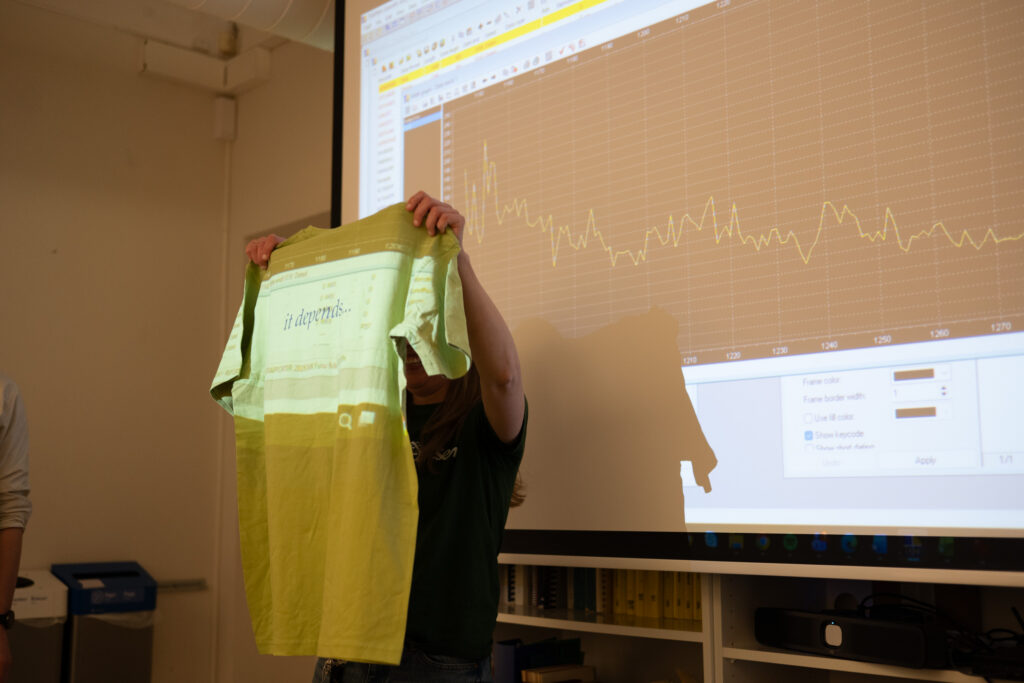
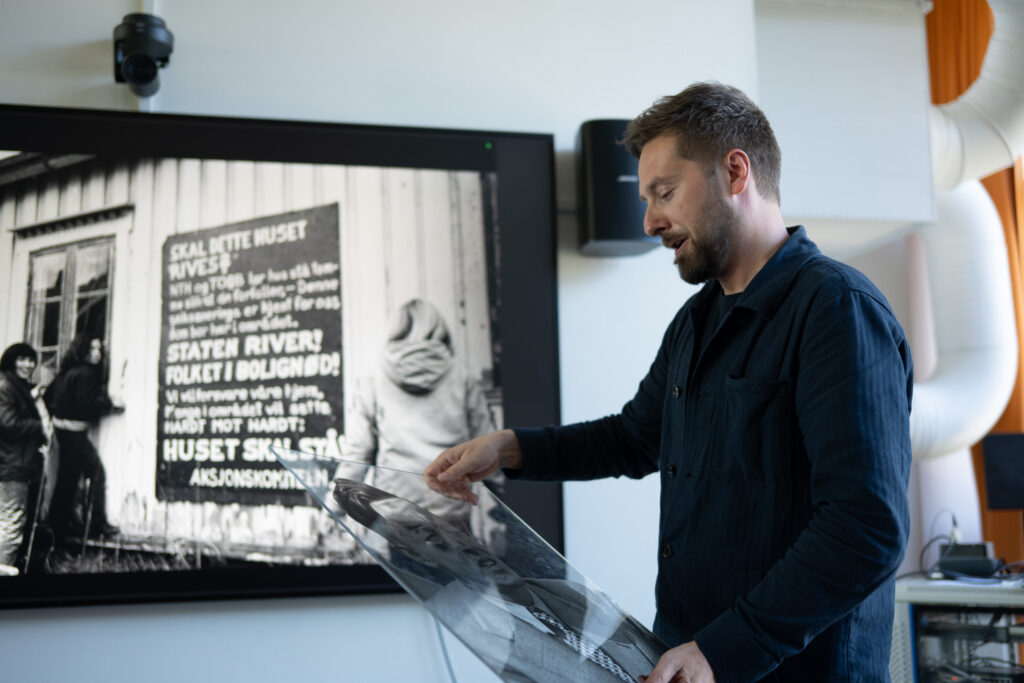
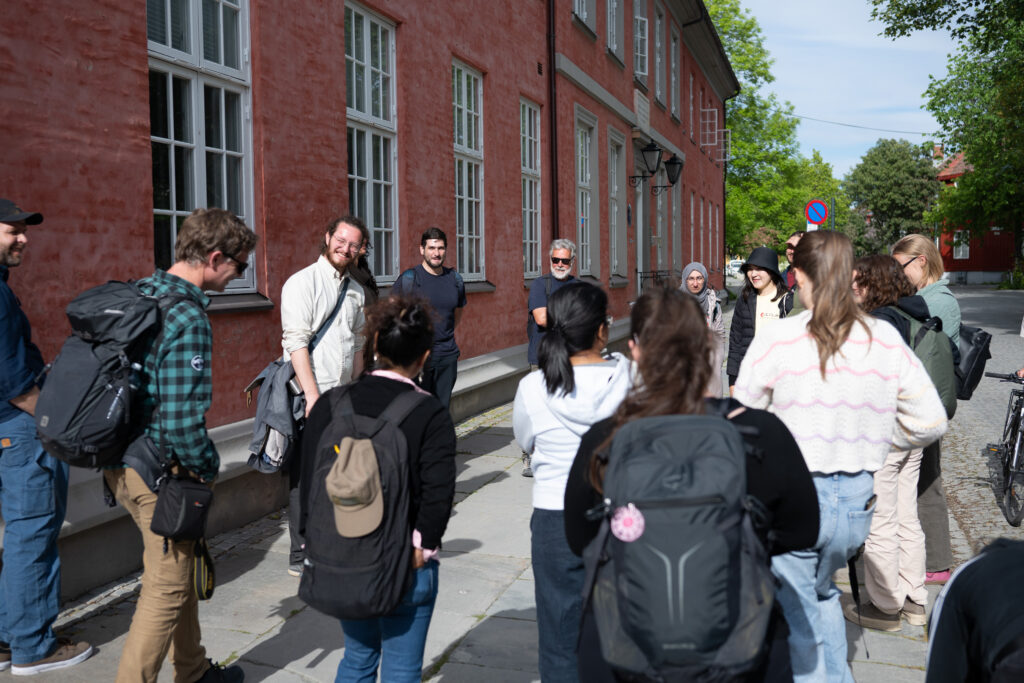
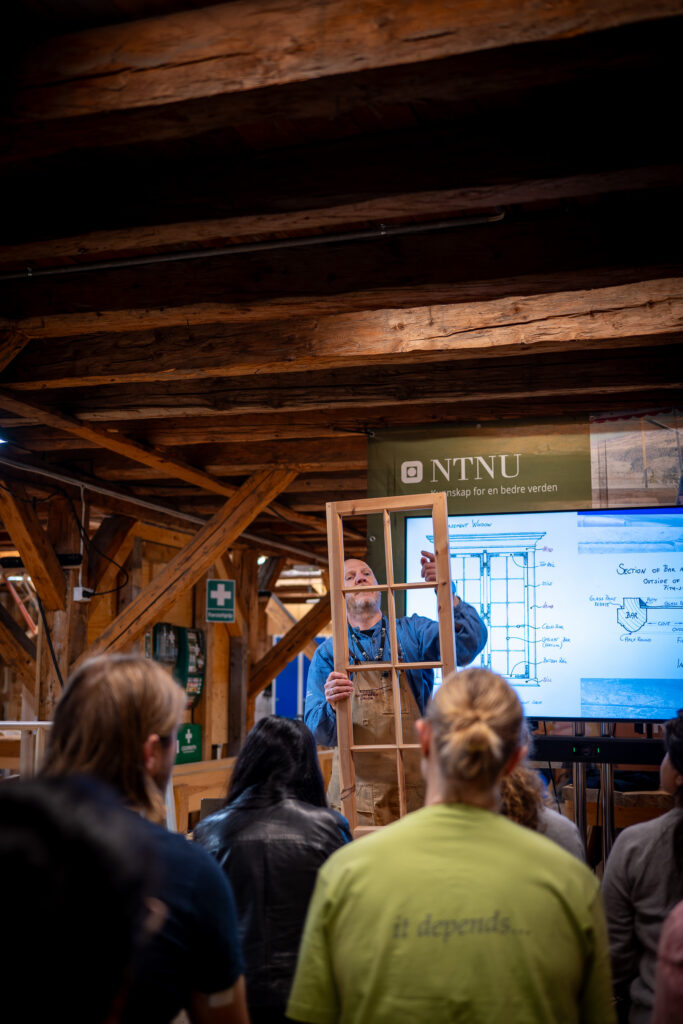
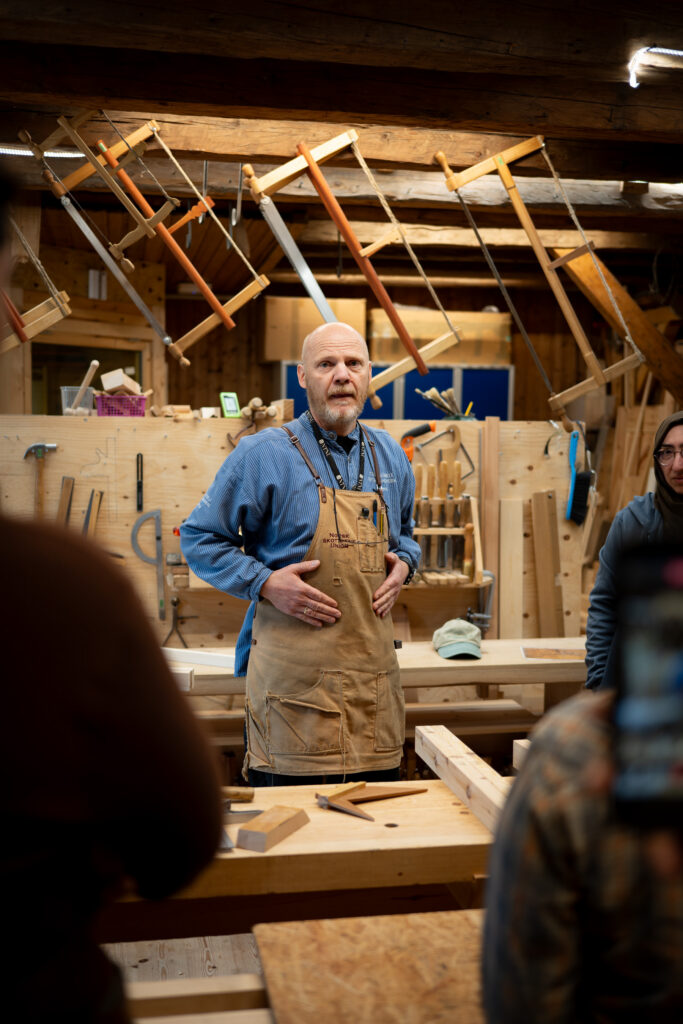
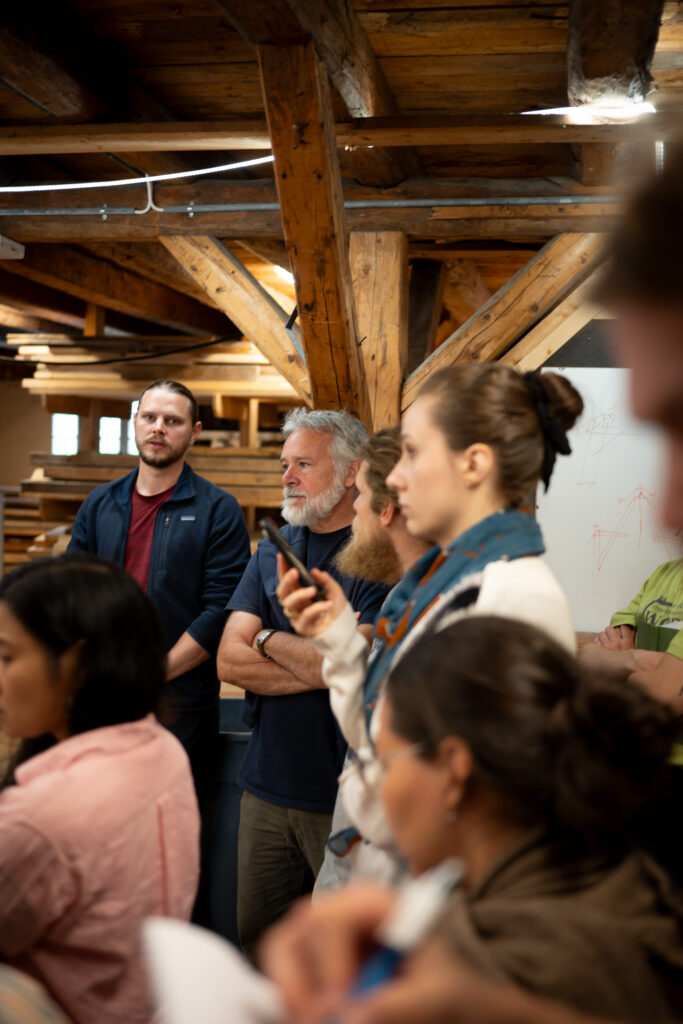
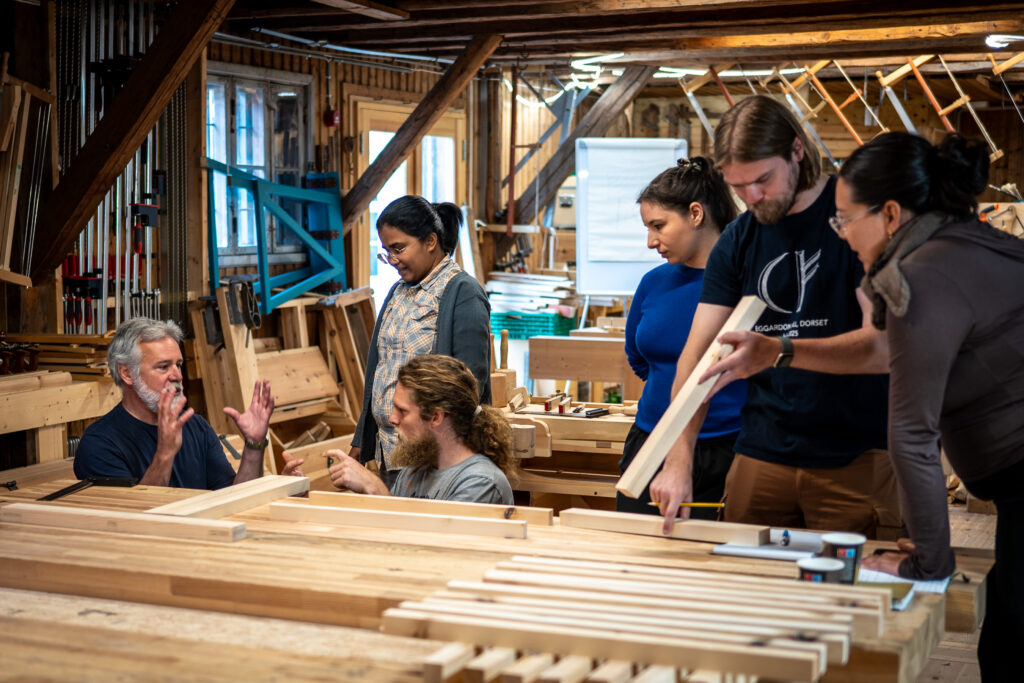
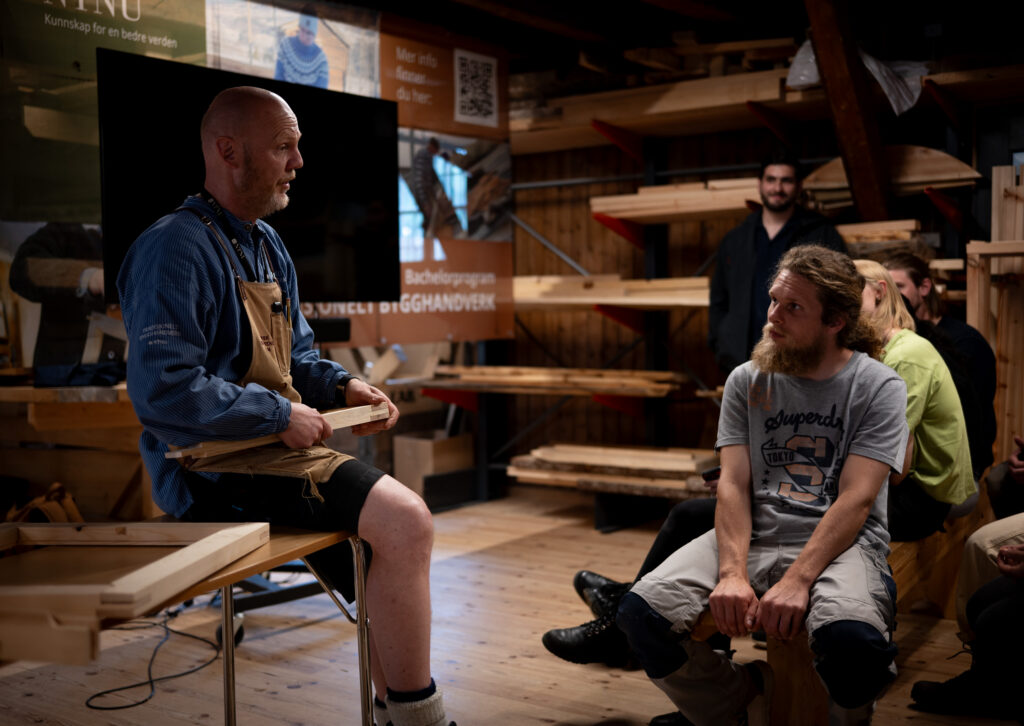
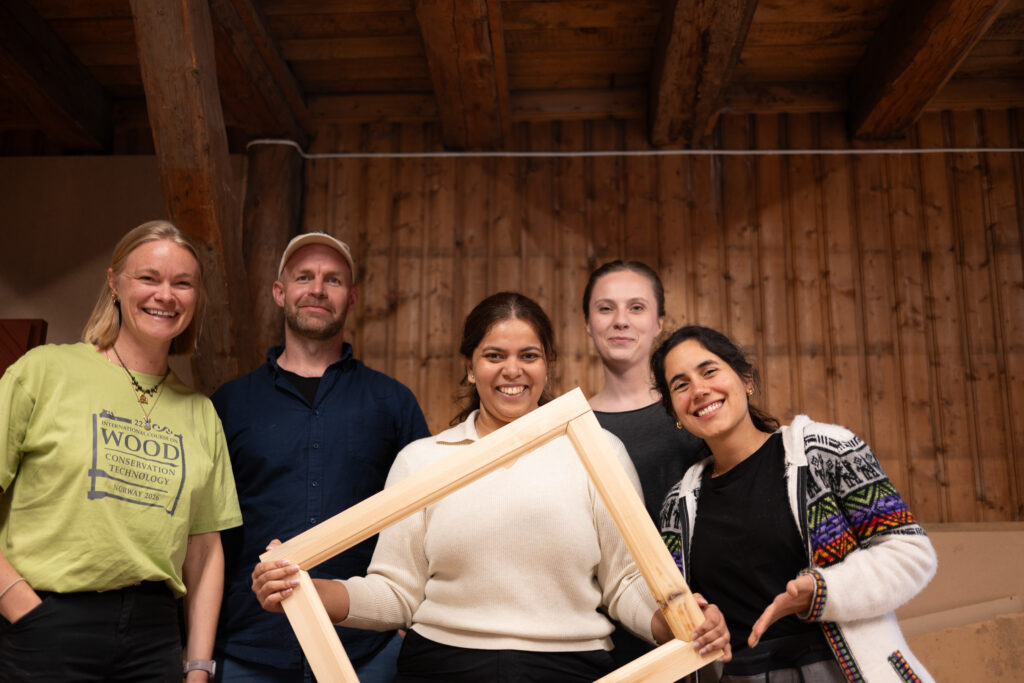
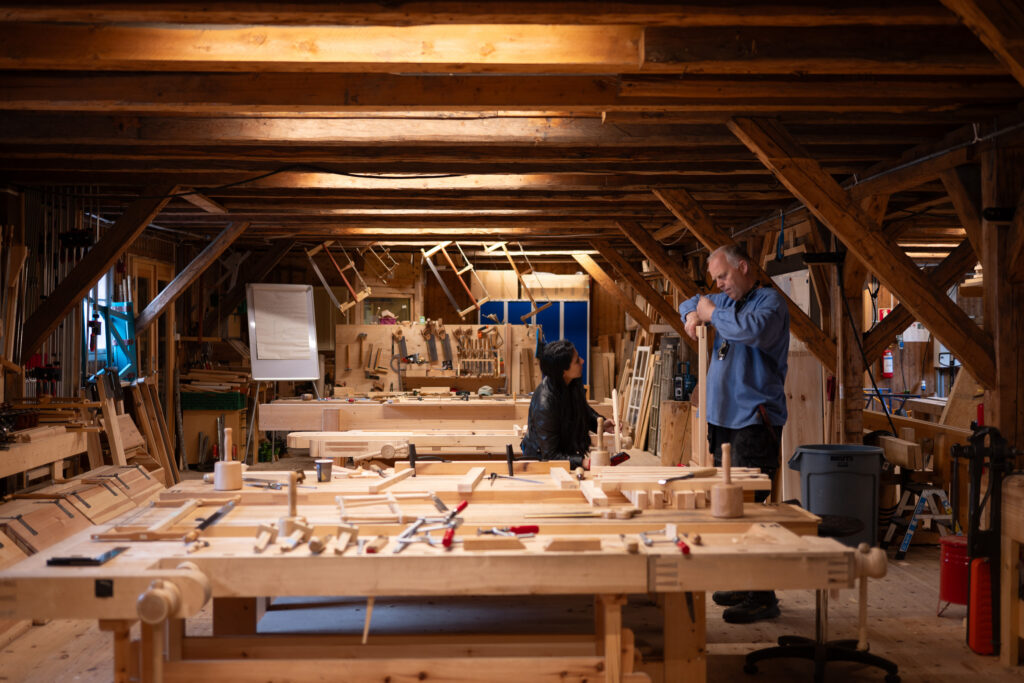
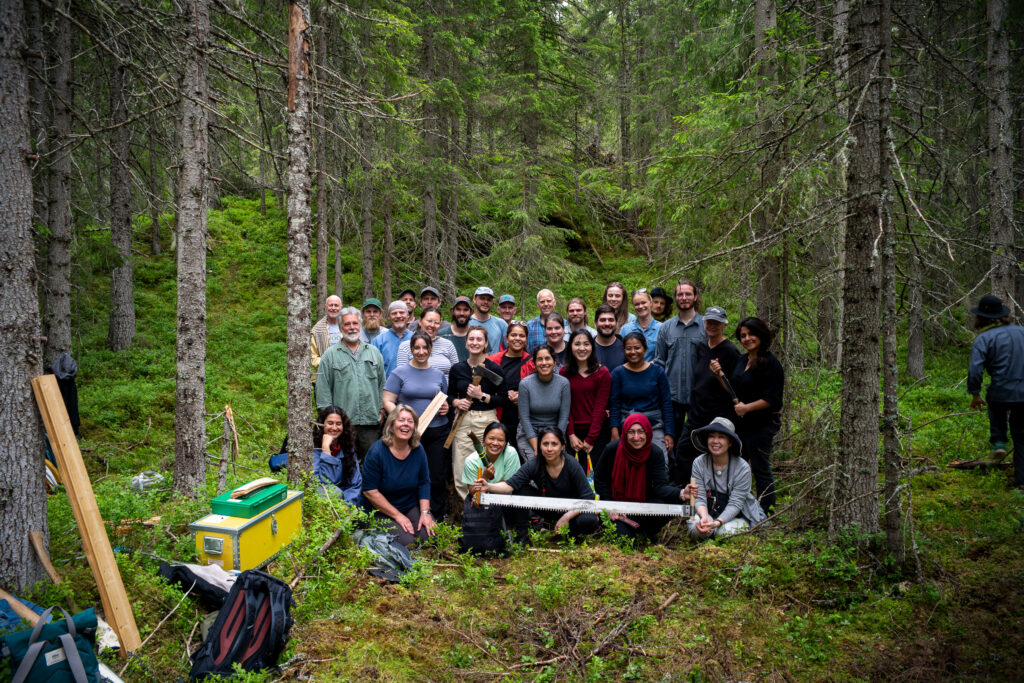
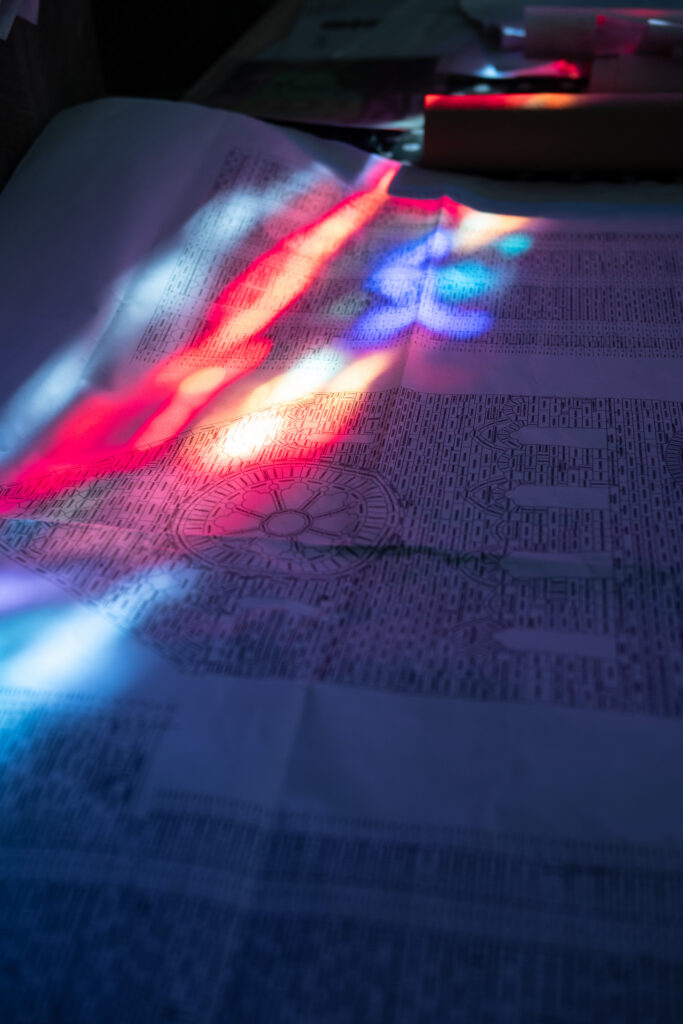
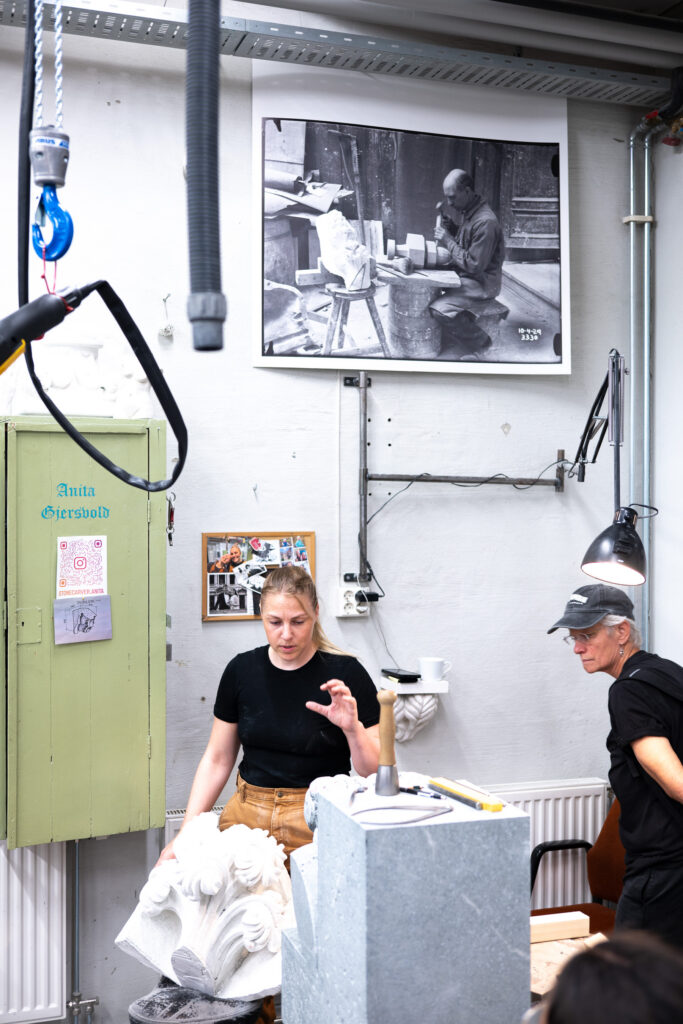
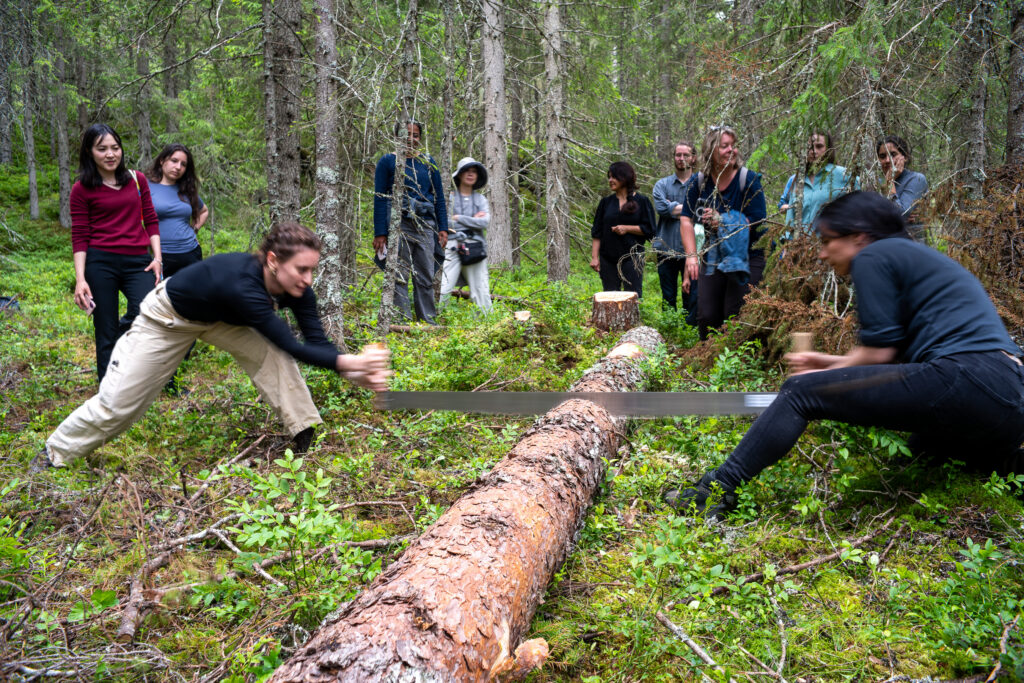
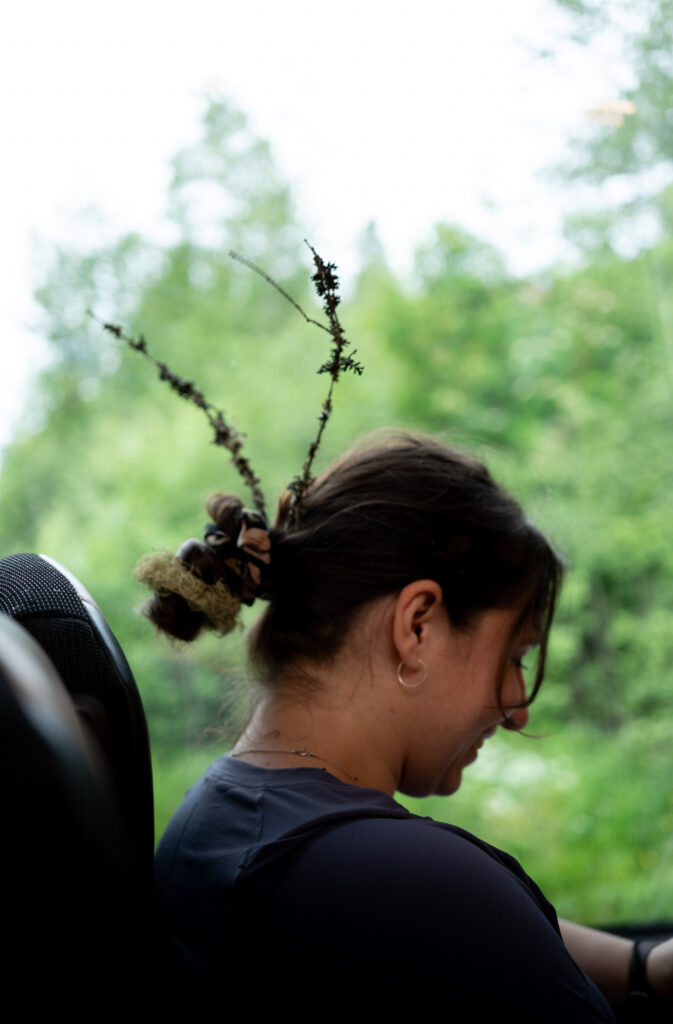
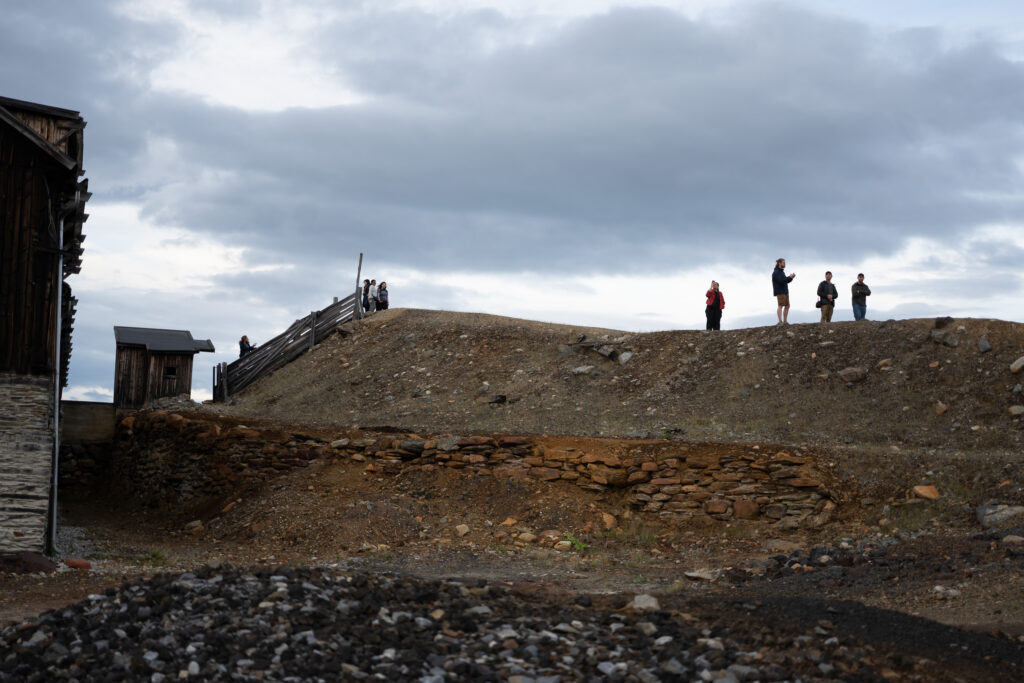
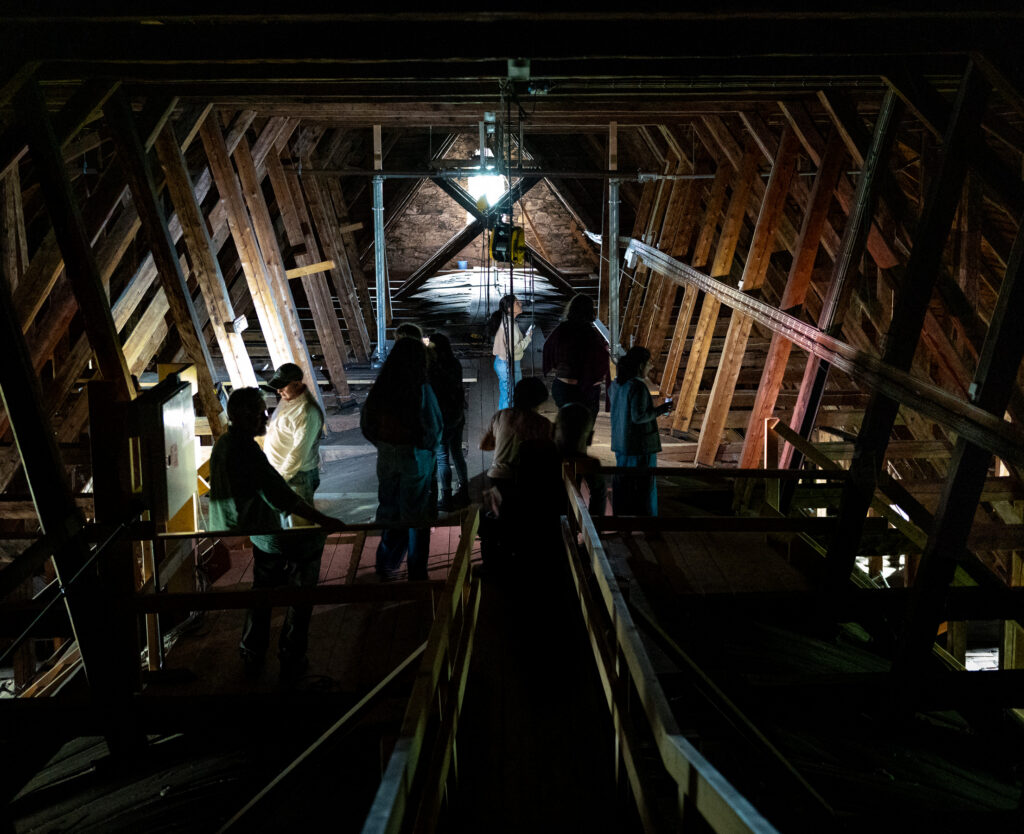
At Røros we got both an informative and fun course in traditional paints with Cecilie Marie Breen, a tar demonstration with Kolbjørn Vegard Os, and a tour of the Røros Church, before heading south via Ringebu stave church.
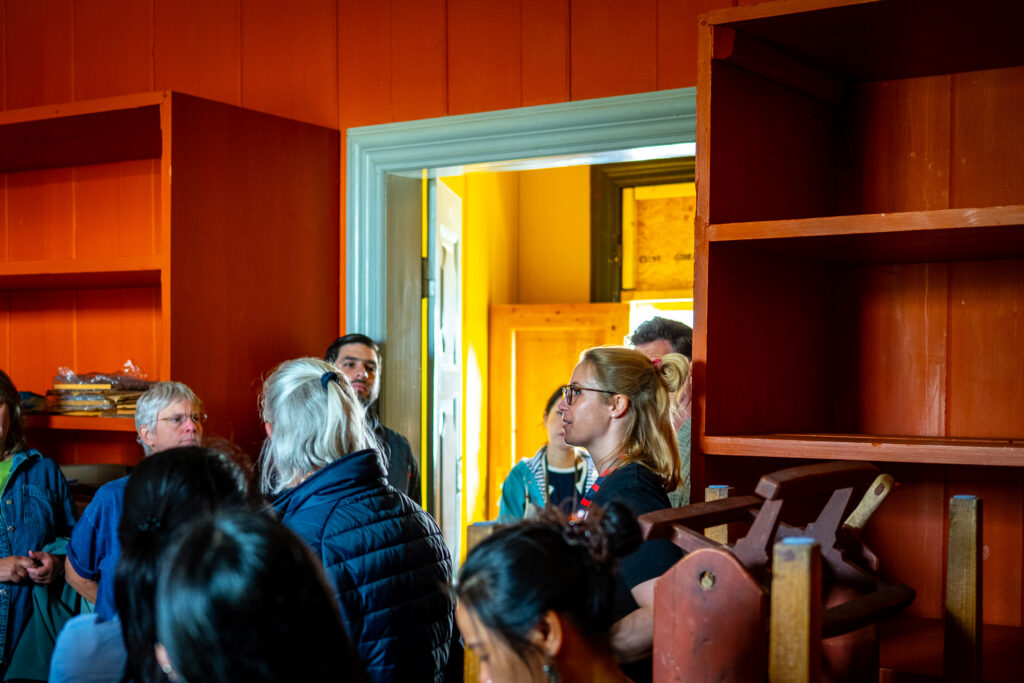
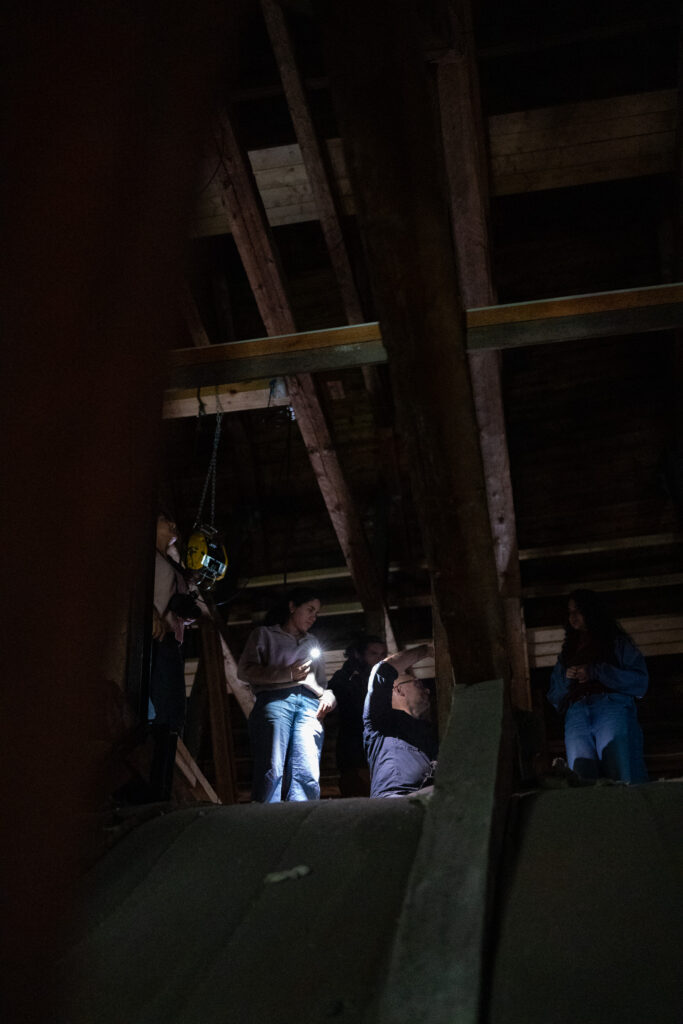
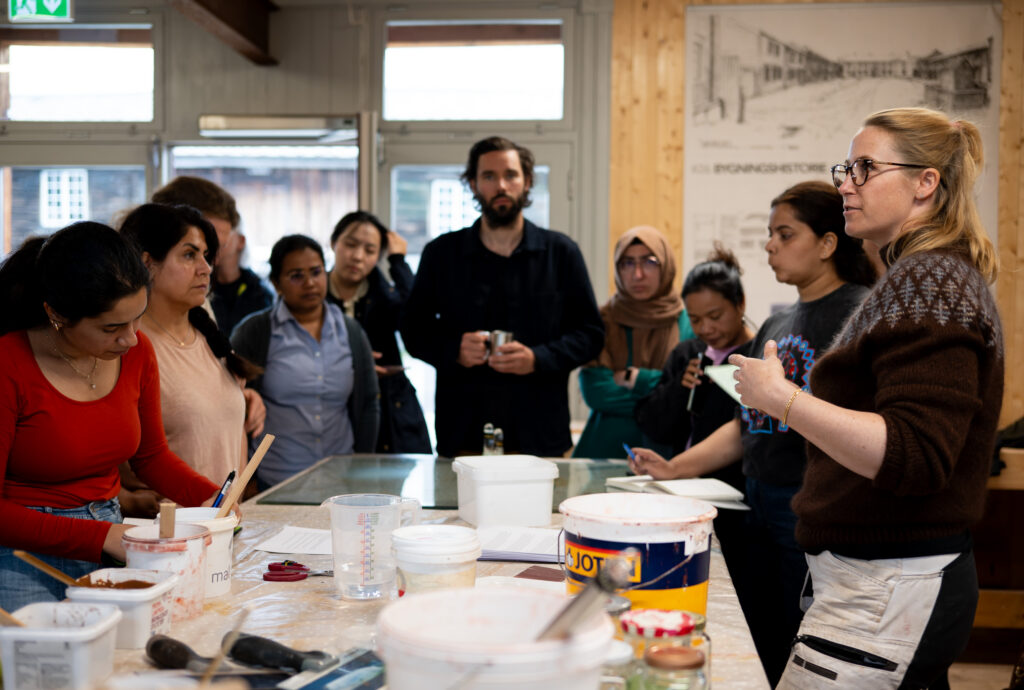
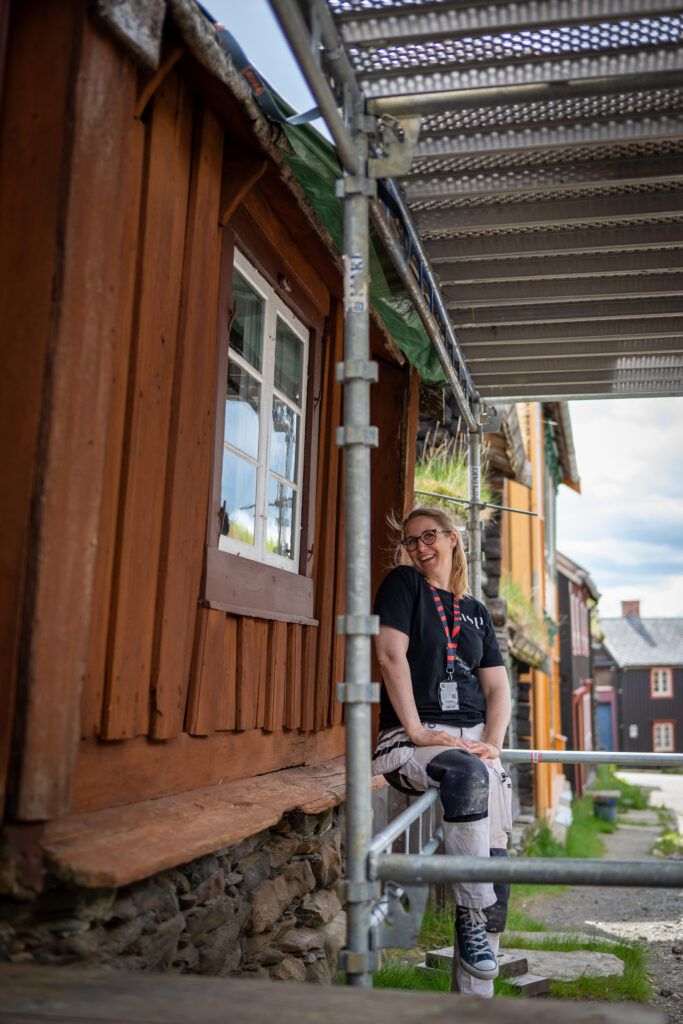
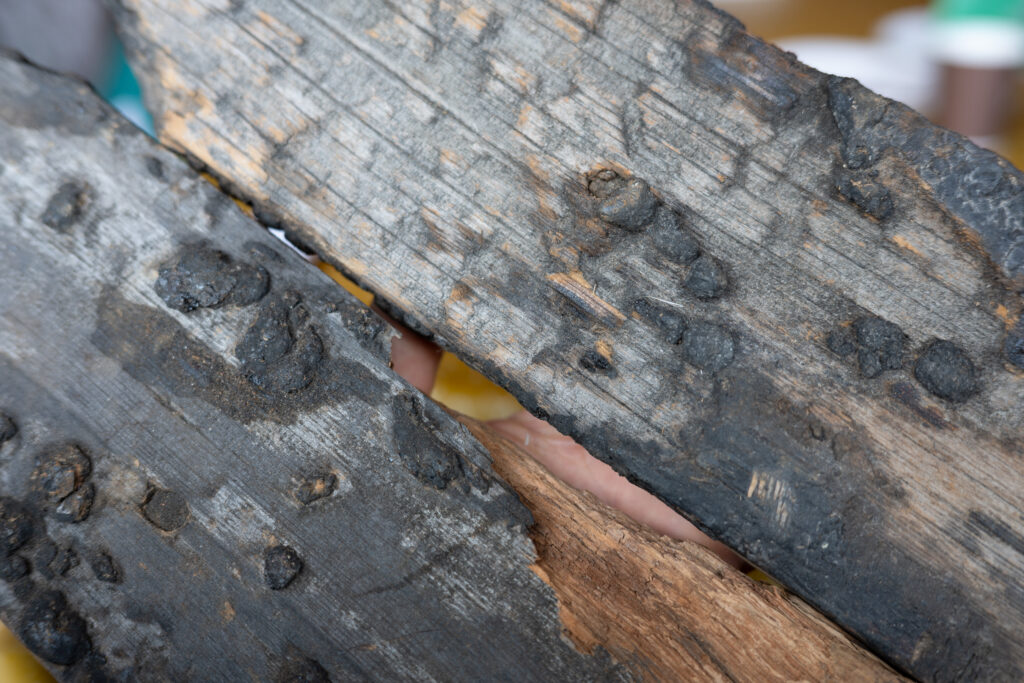
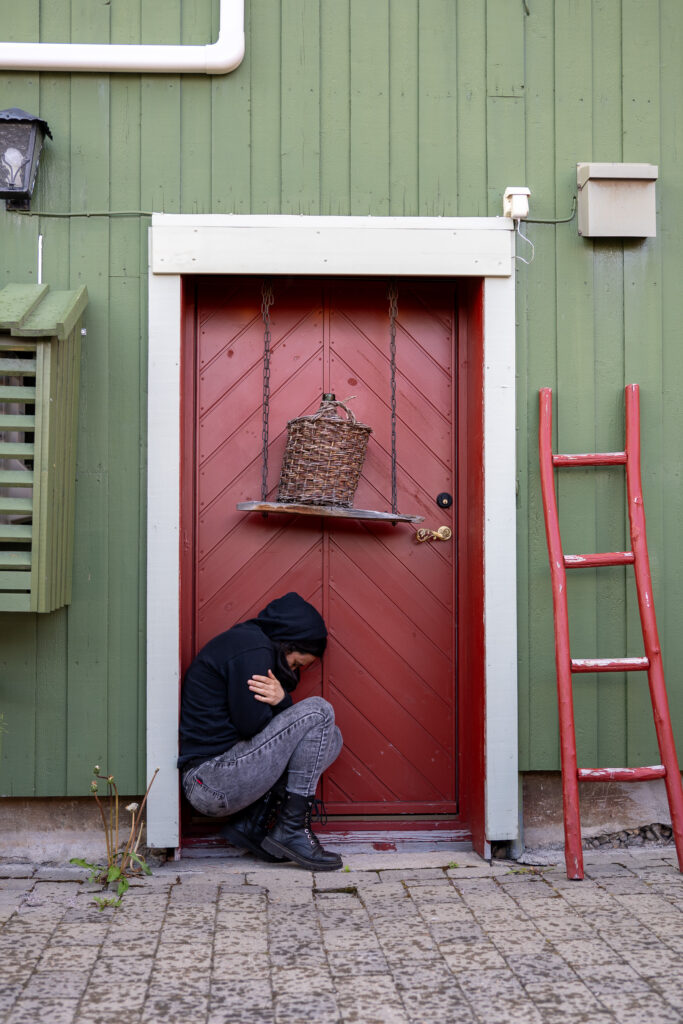
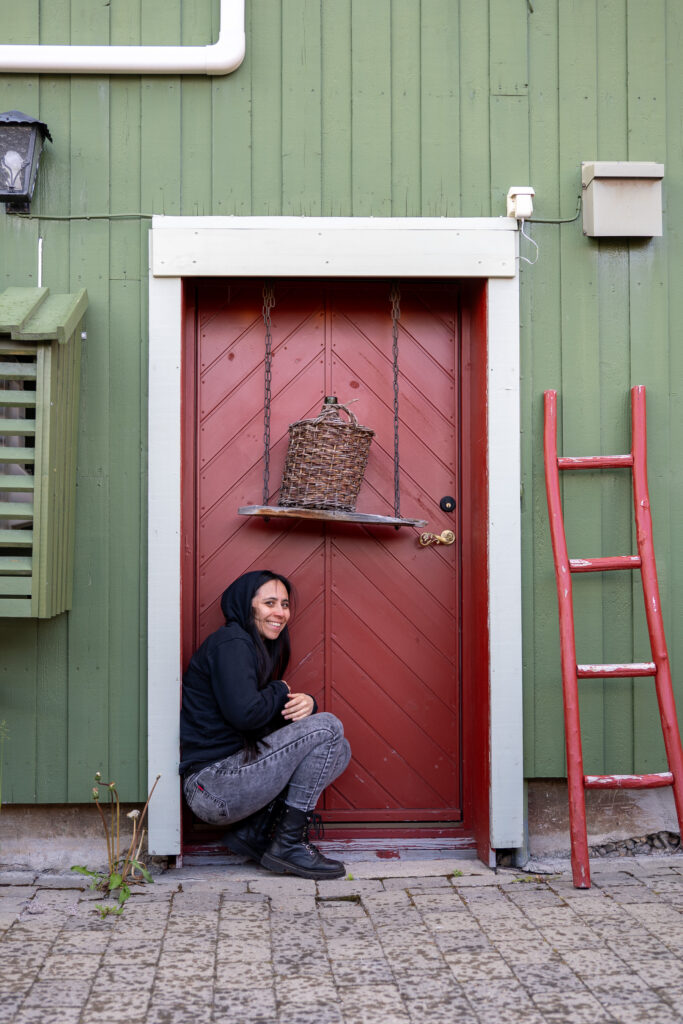
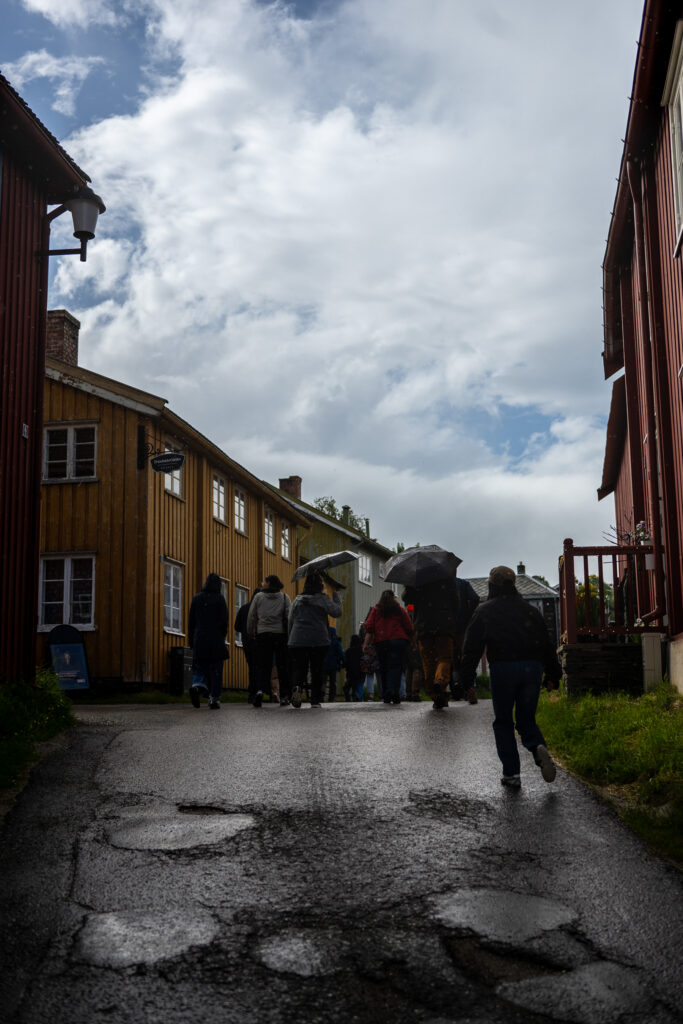
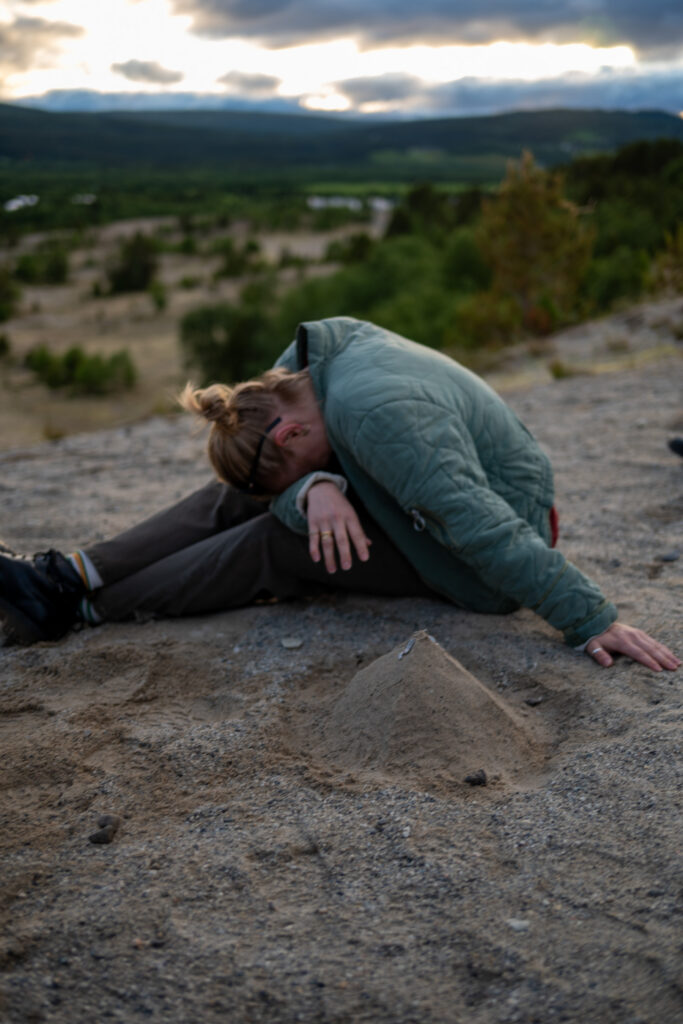
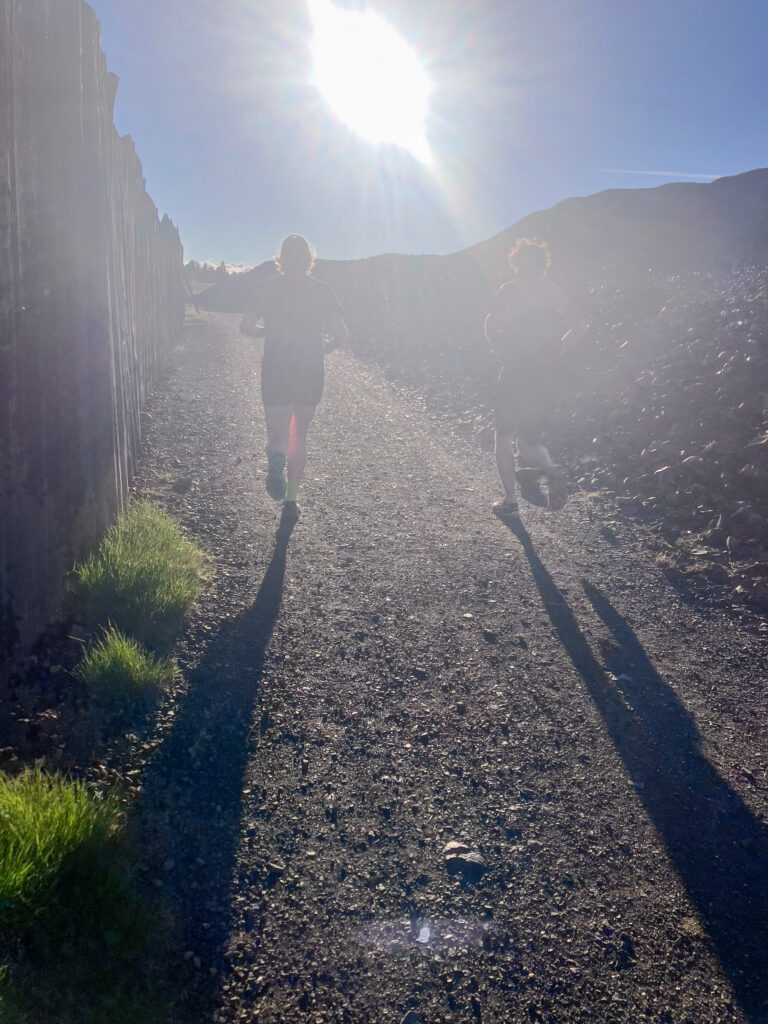
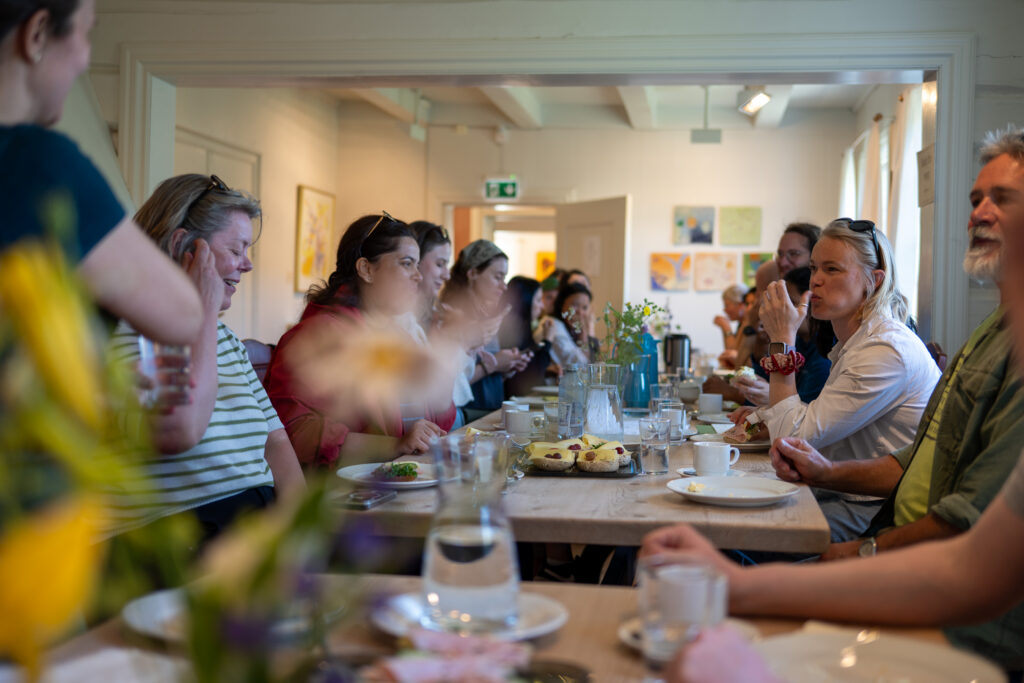
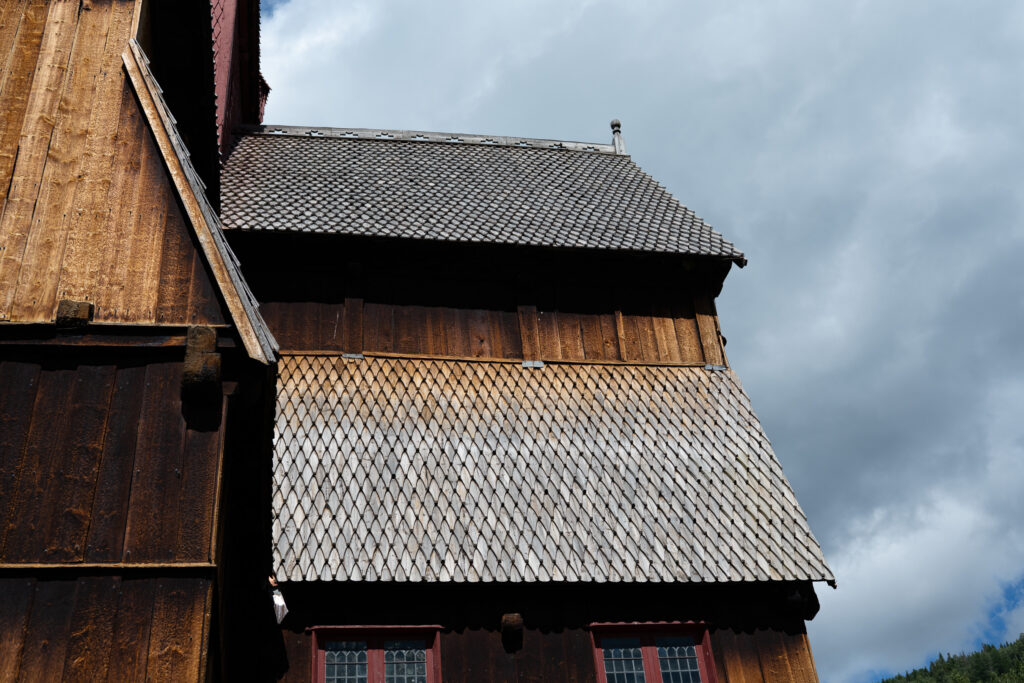
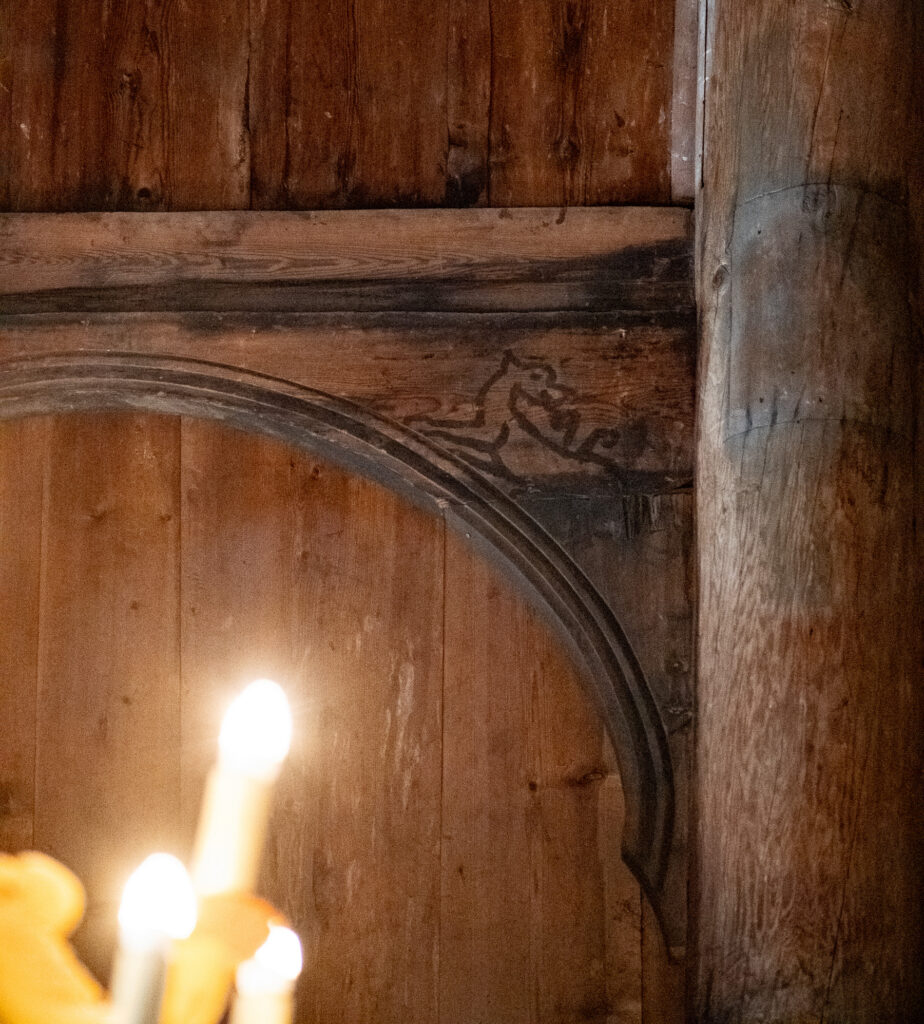
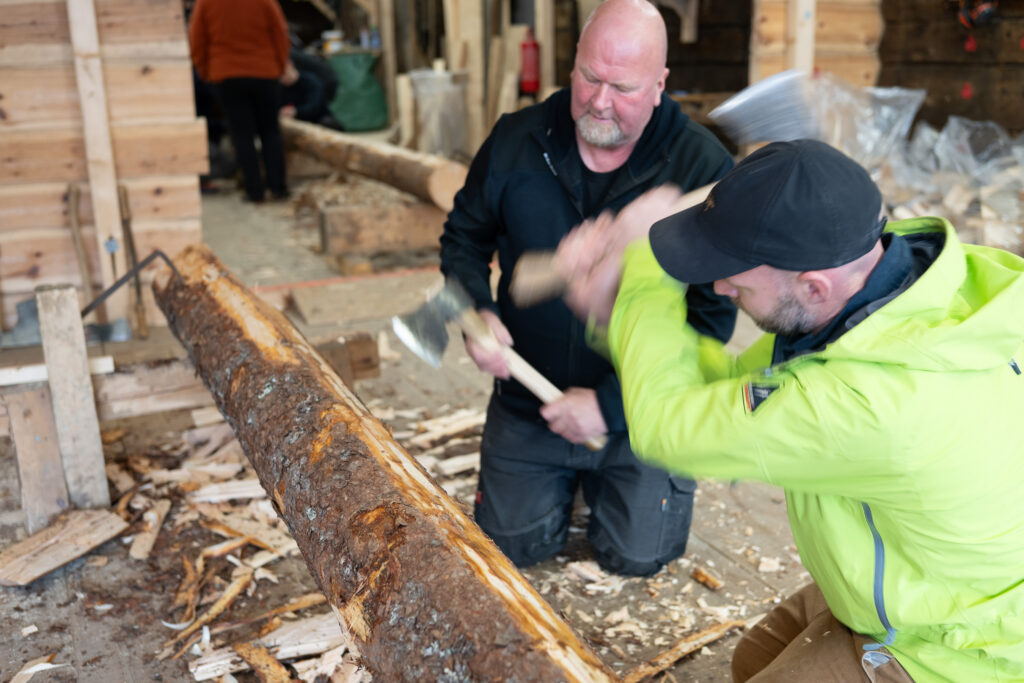
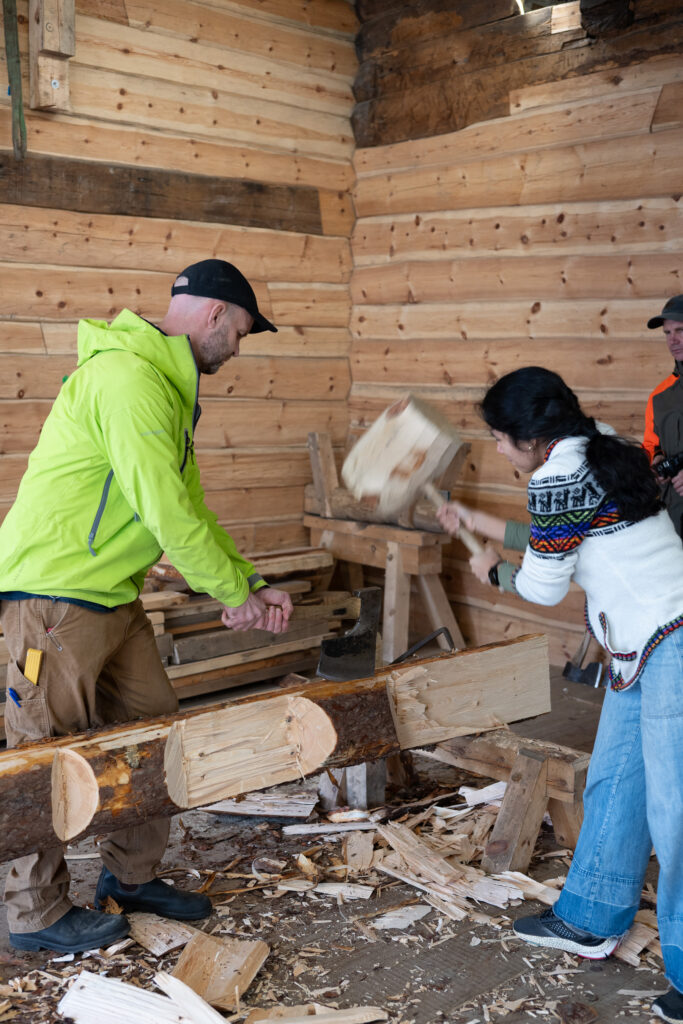
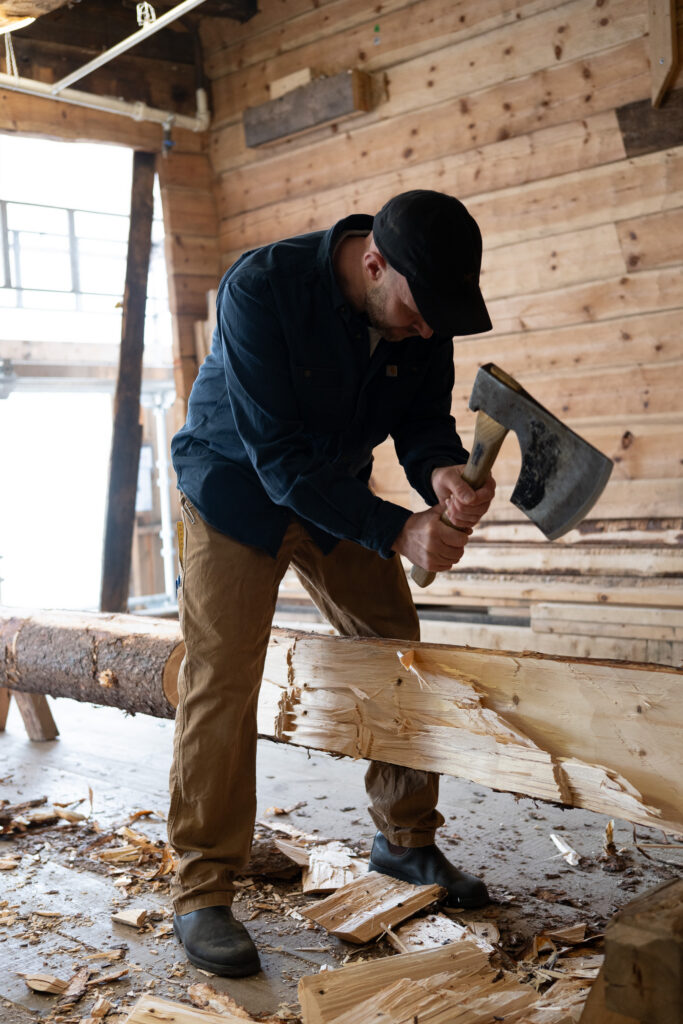
Maihaugen at Lillehammer hosted our practical exam work…
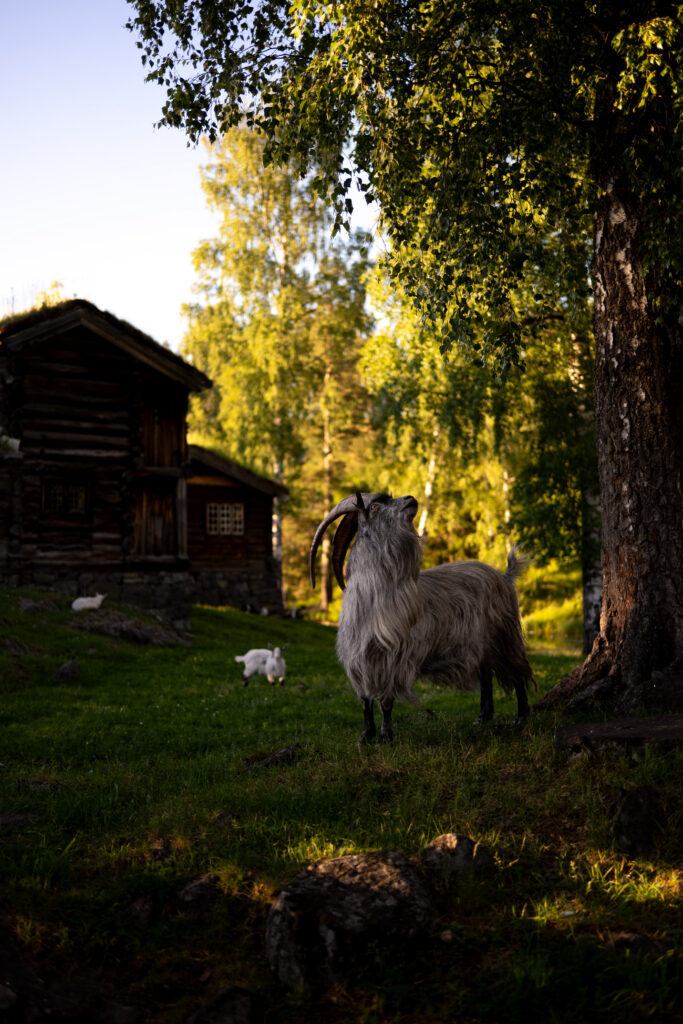
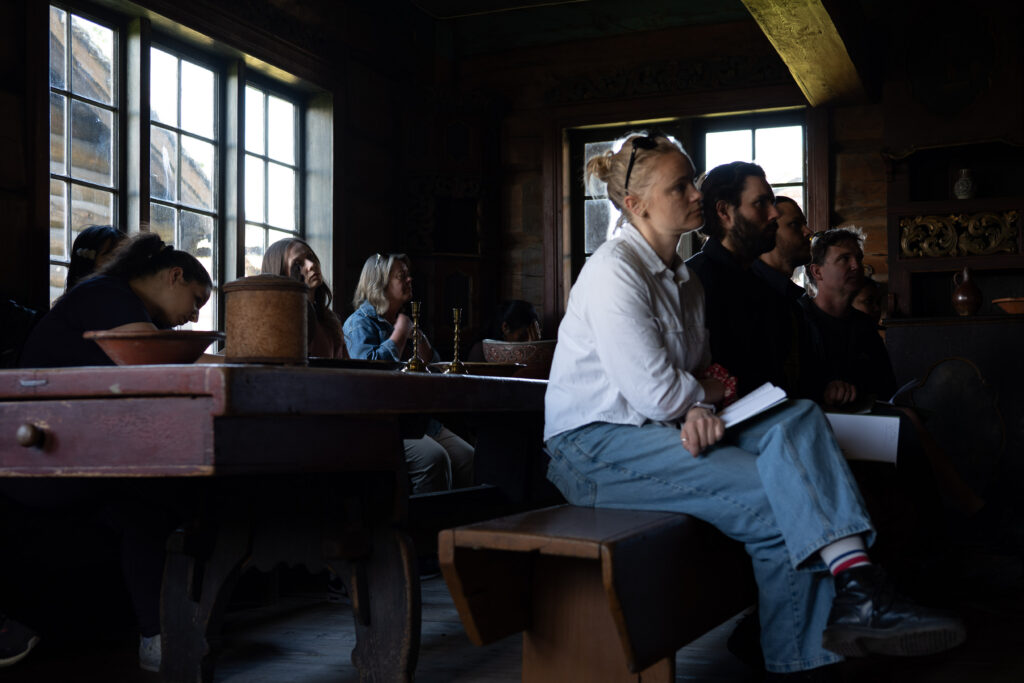
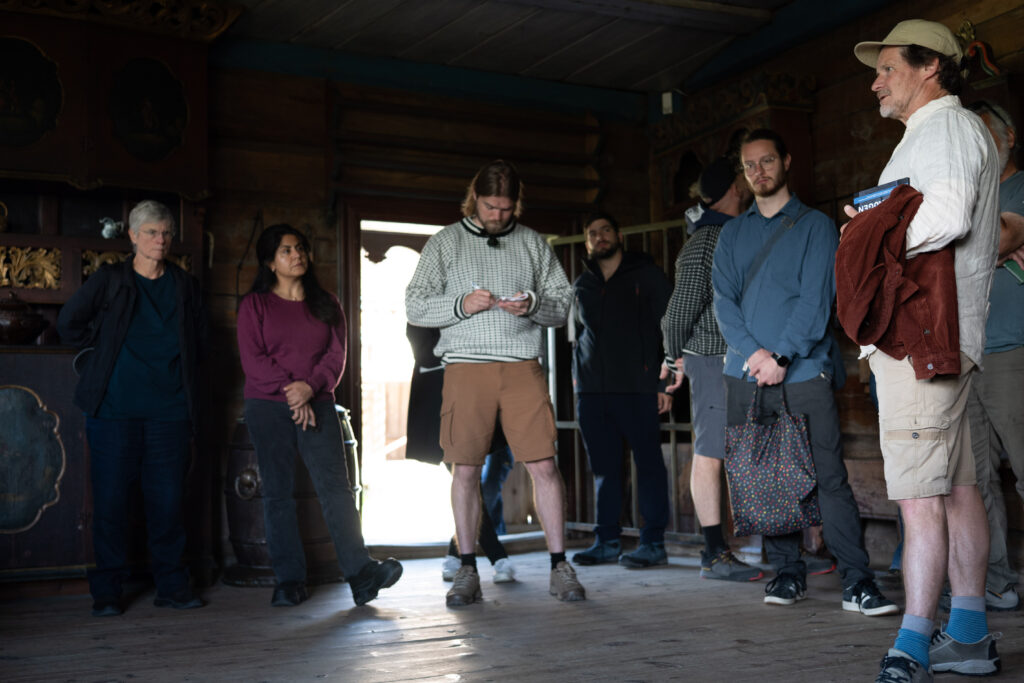

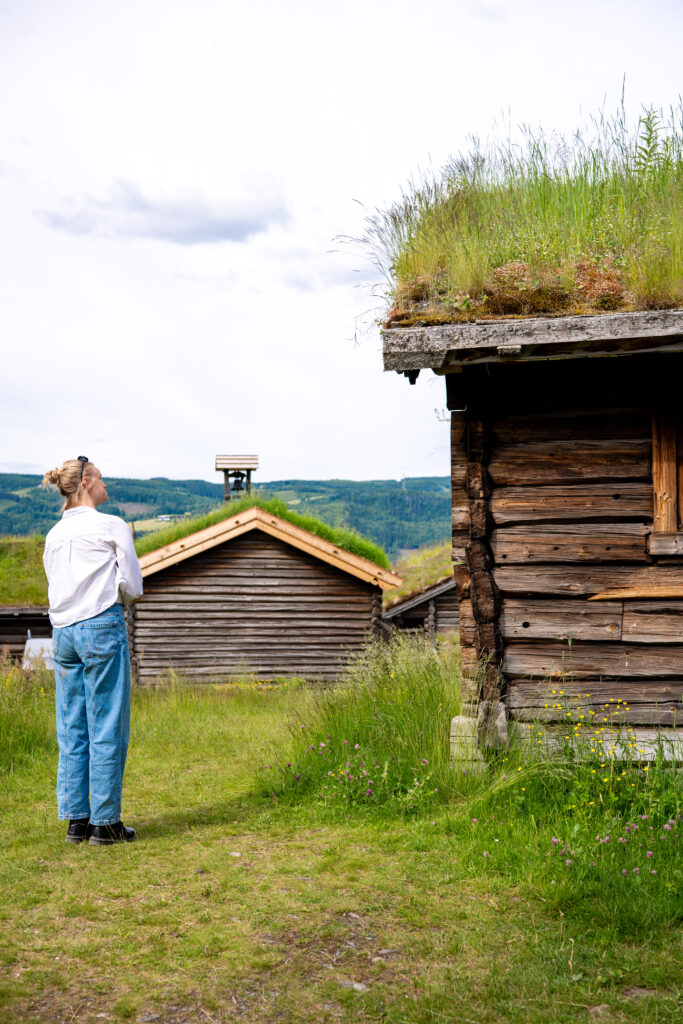
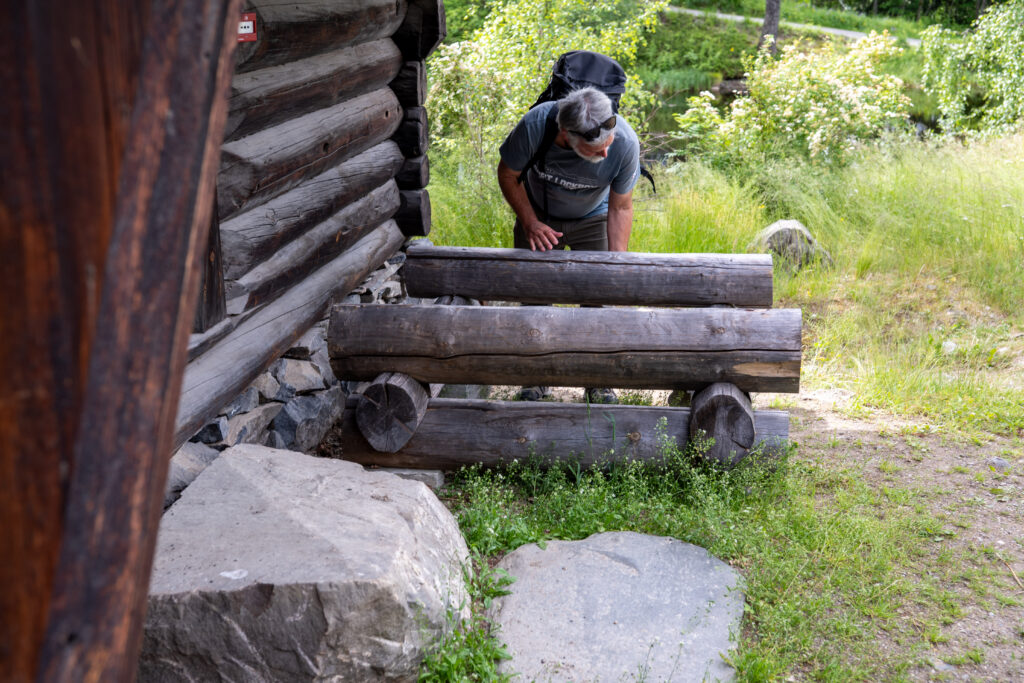
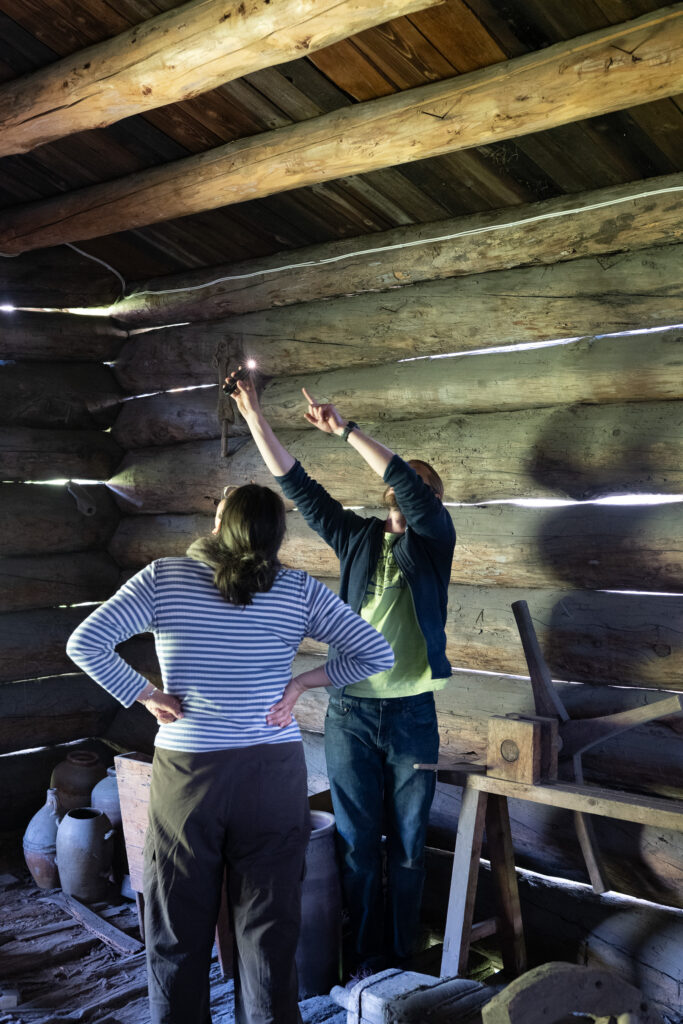
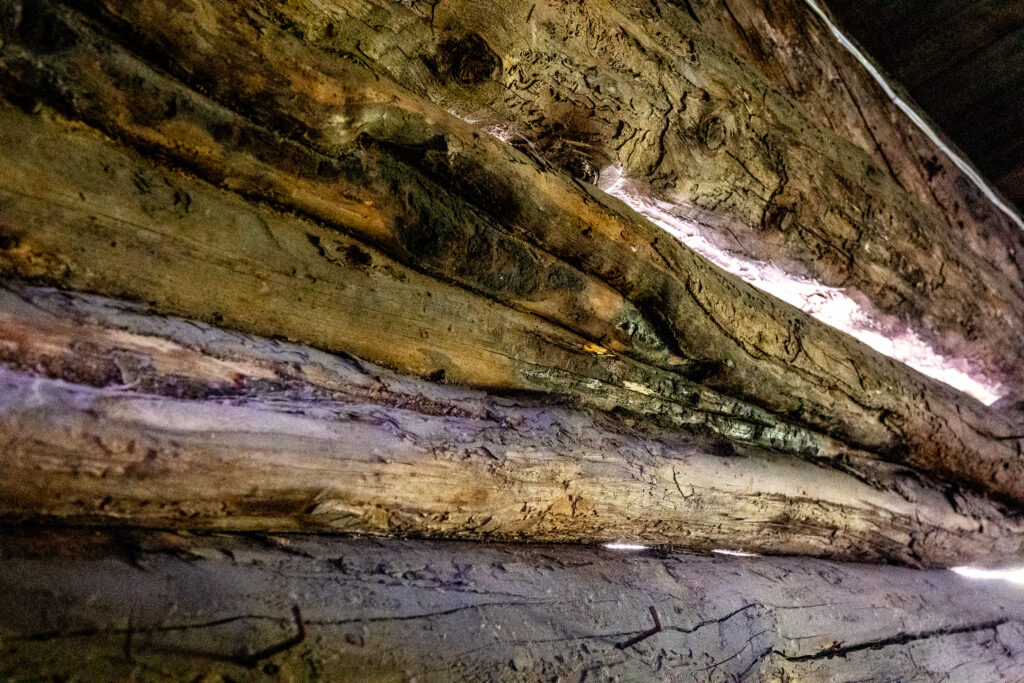
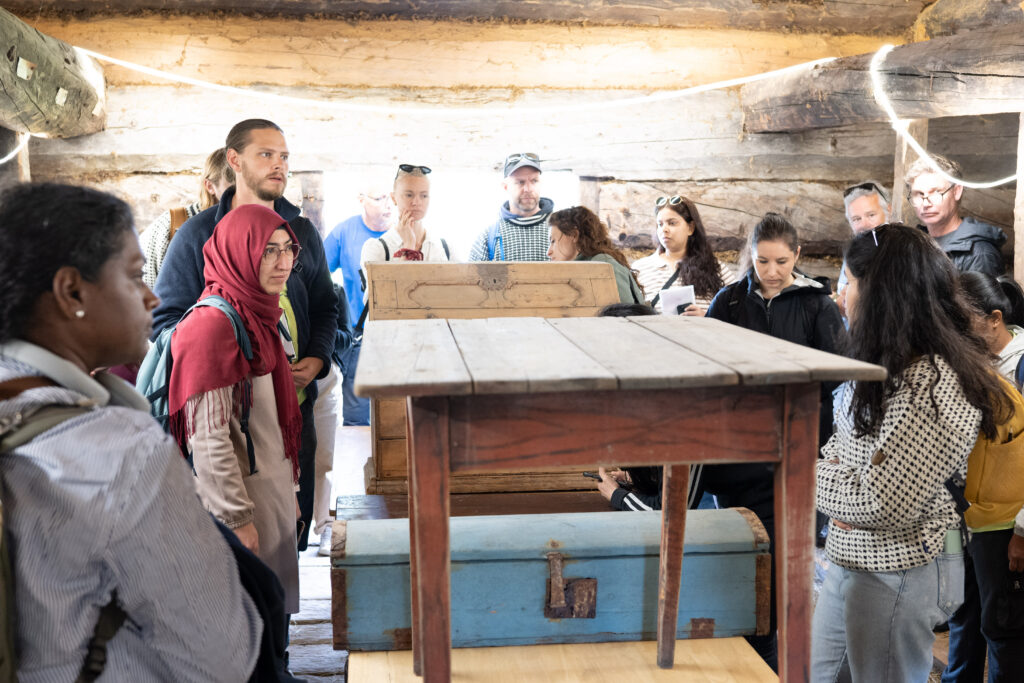
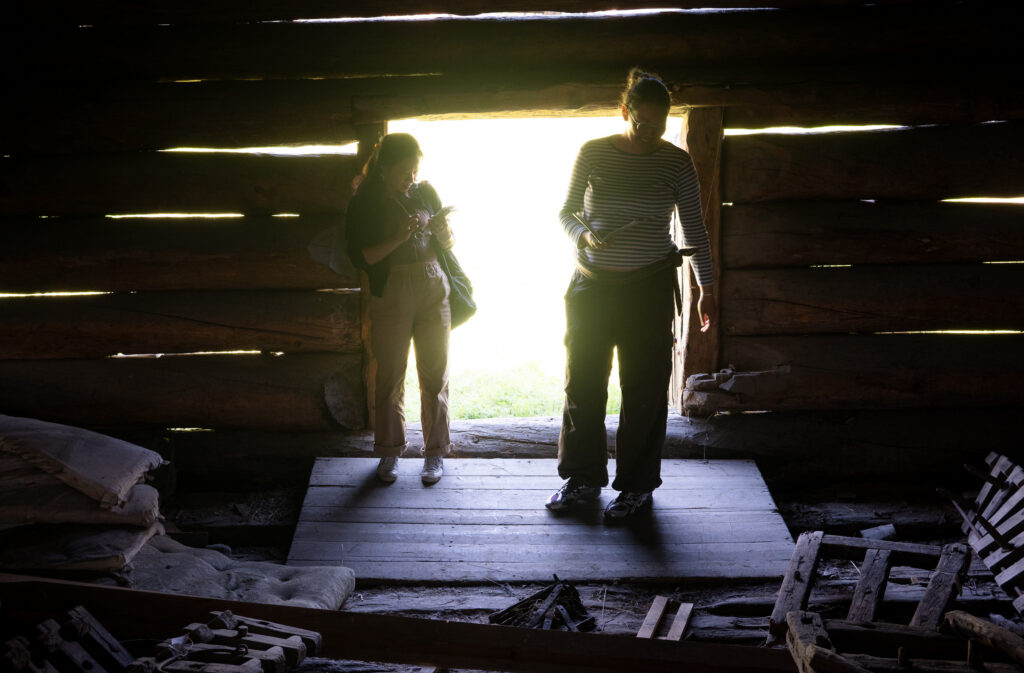
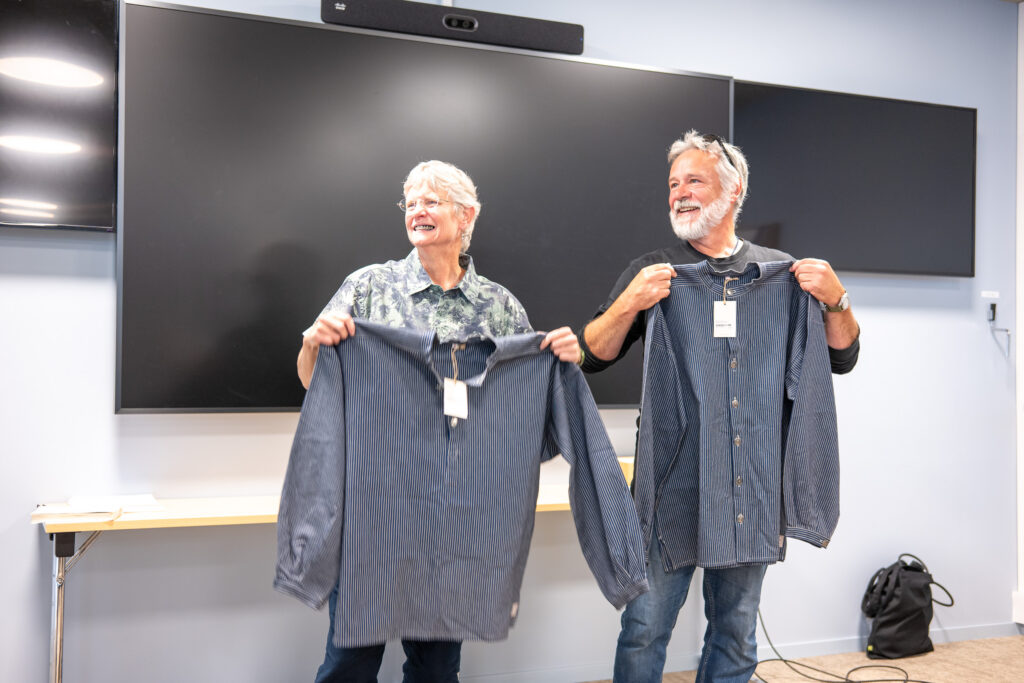
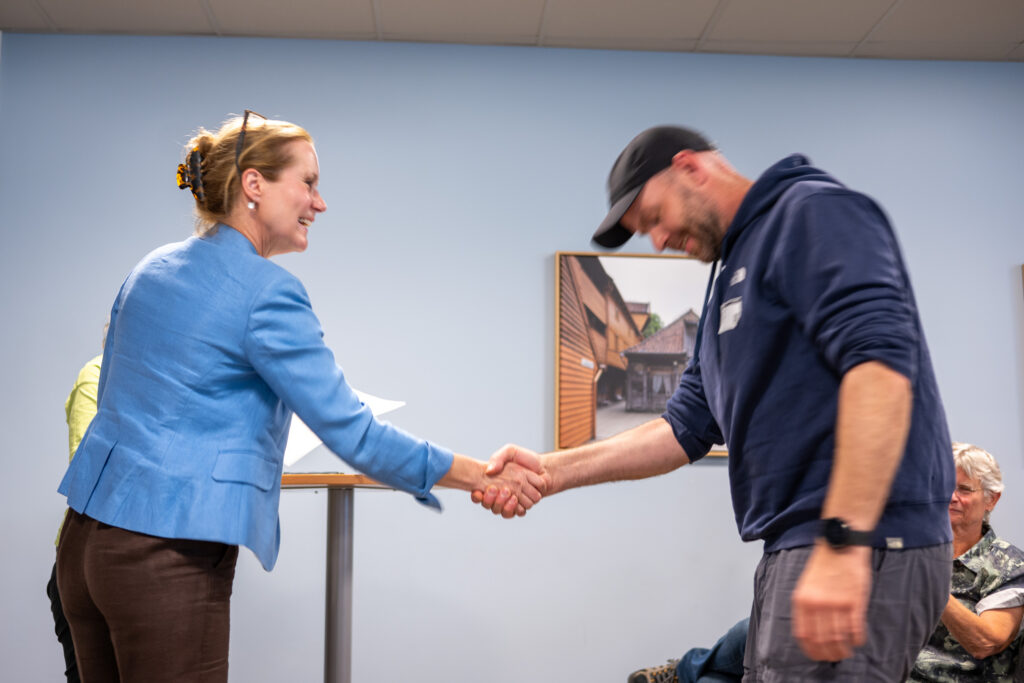
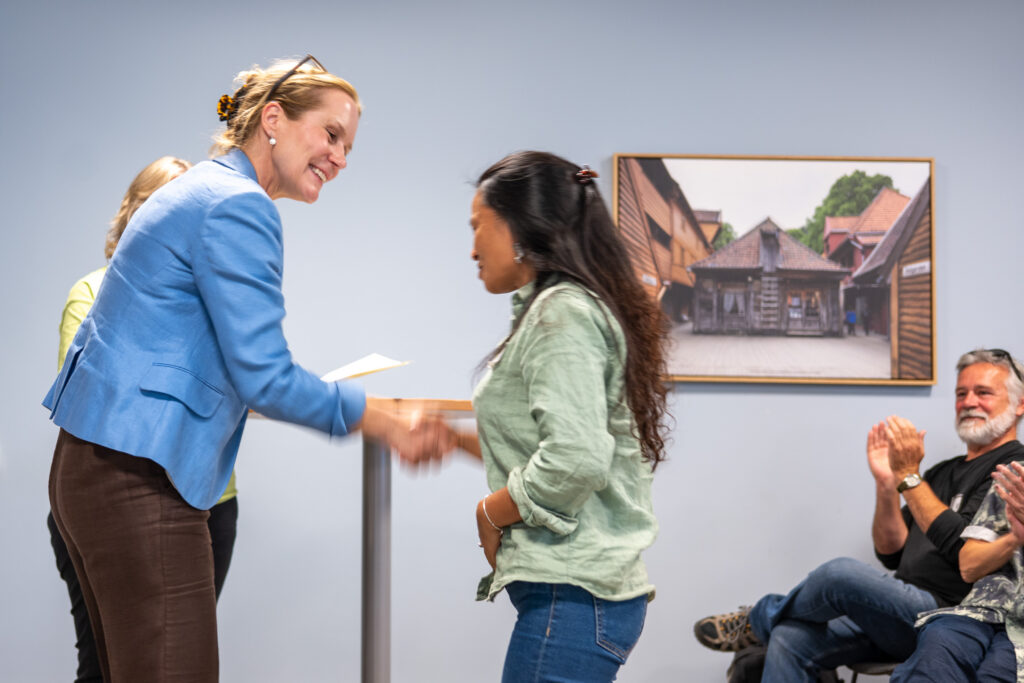
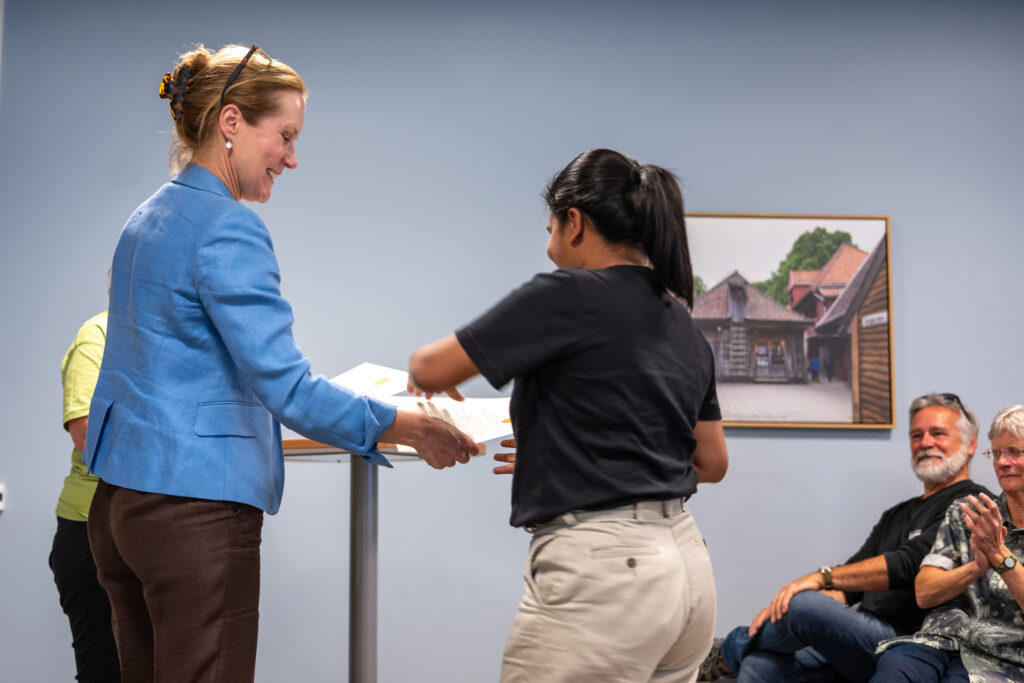
…before presenting our final exam work and finishing the course at the offices of Riksantikvaren in Oslo.
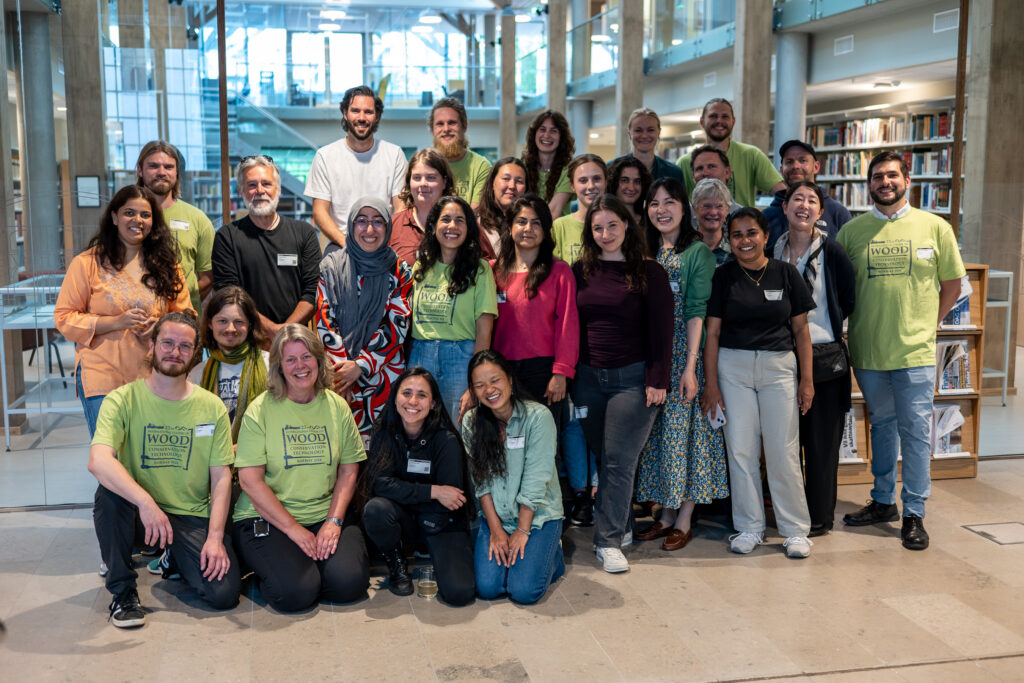
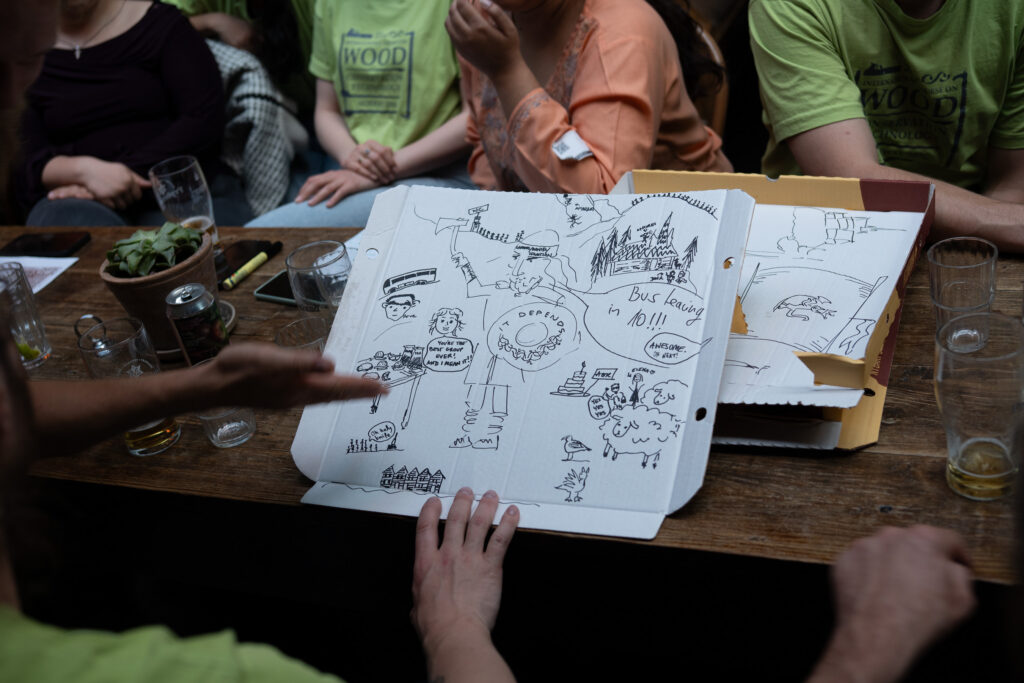
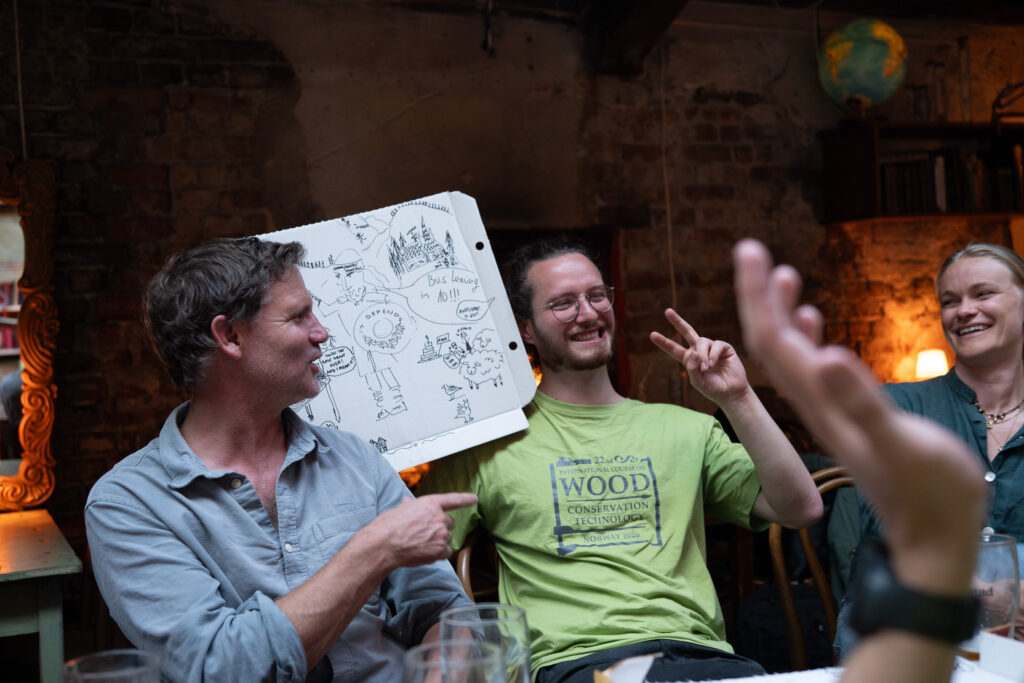
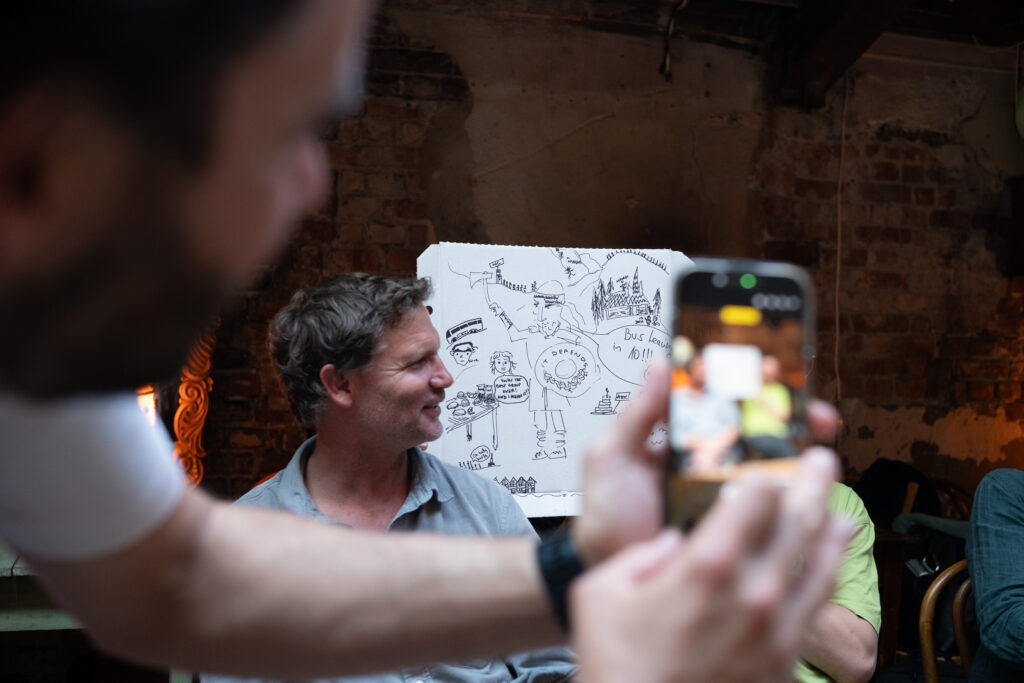
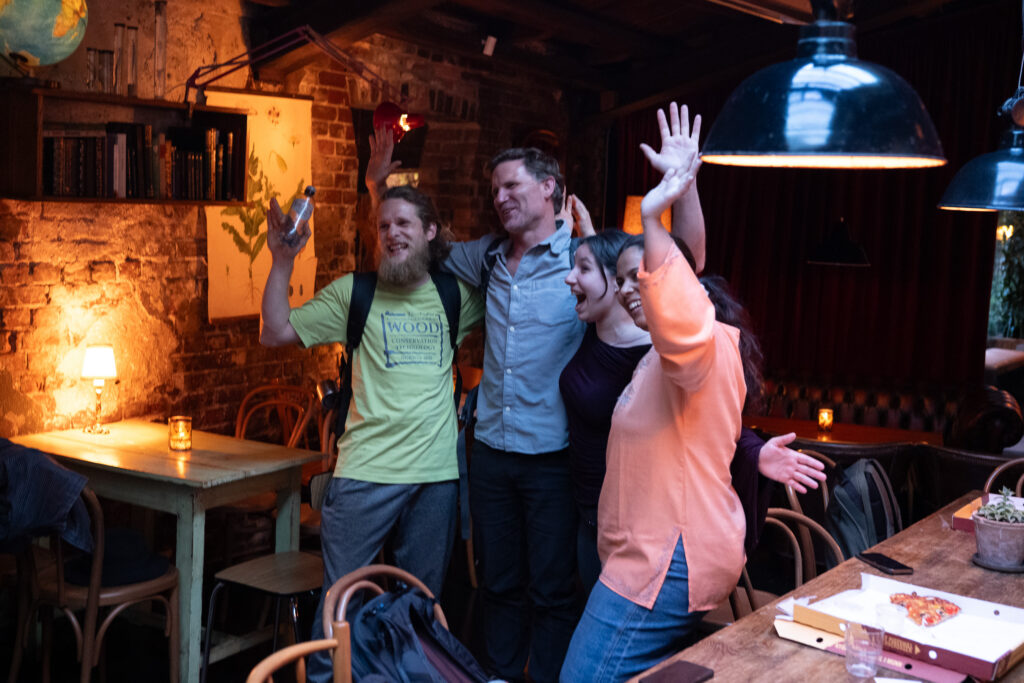
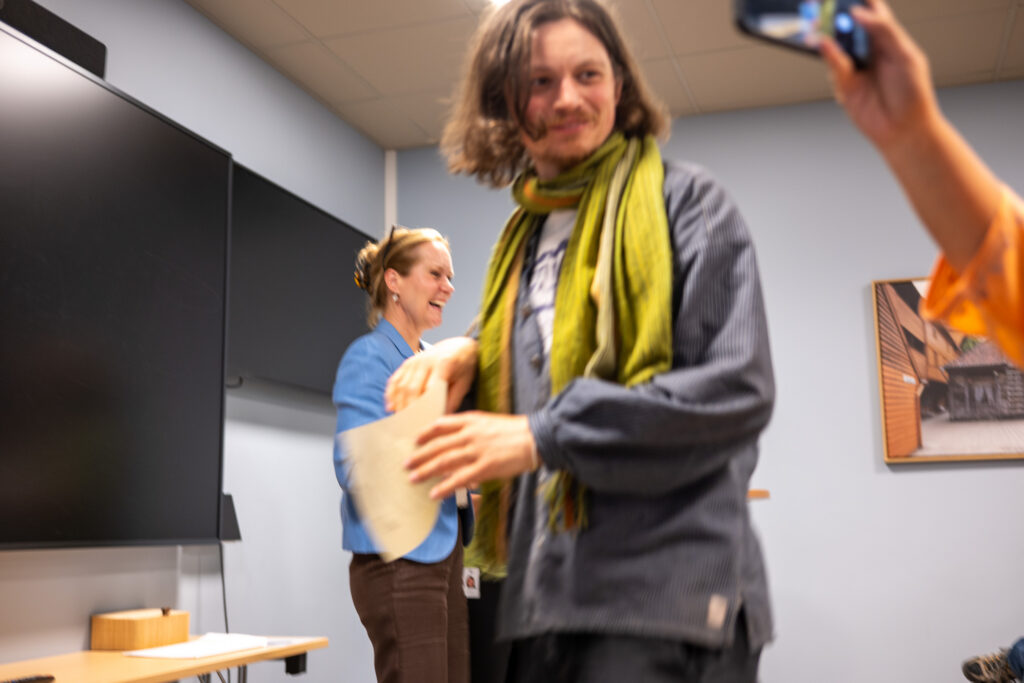
Thanks again to you all for an incredible experience!
Footnote (because it seems I always have to include at least one)
- It appears, based on some quick online research, that this «ancient proverb» is actually the result of early 20th century marketing. It does however convey a usable sentiment. ↩︎


